Winston Peters' FTA attacks 'just dog whistling' - Jacobi
International trade expert Stephen Jacobi says Winston Peters' objections to the Indian free trade deal are "ridiculous".
 increase font size
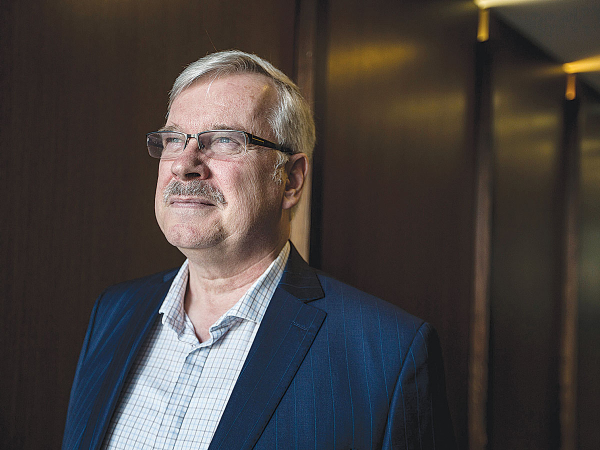 NZ International Business Forum executive director Stephen Jacobi.
NZ International Business Forum executive director Stephen Jacobi says the present FTA negotiations with the UK is depressing, with the same old roadblocks being put up against NZ as they were some 40 years ago.
He says the UK's agricultural sector has been mollycoddled by the EU's Common Agriculture Policy.
However, Jacobi says the UK is slightly different now because of Brexit and they want to be seen as a global Britain. But he ads they need to walk the talk about agriculture and trade liberalisation. He says the fact that Britain has negotiated an FTA with Australia is an encouraging sign that they may break out of the protectionist mould.
As for Europe, Jacobi says it's a case of the same old same as, the only difference being they have moved away from direct support for production.
"But they haven't got a market-oriented system for agriculture and it's still a highly regulated system where the market signals are all obscured," he says.
Jacobi hopes that issues raised in a recent discussion paper will stimulate conversations in the business community and government to find new ways to improved access for NZ products to overseas markets.
International trade expert Stephen Jacobi says Winston Peters' objections to the Indian free trade deal are "ridiculous".

Leading trade analyst Stephen Jacobi has rubbished claims that New Zealand could have got a better free trade deal with India if it had prolonged the negotiations.
New Zealand’s top business leaders are urging the US Administration to review “unjustified and discriminatory tariffs” imposed on Kiwi exporters.
The recent squabble between the Cook Islands and NZ over their deal with China has added a new element of tension in the relationship between China and NZ.
The world is now amid potentially one of the most disruptive periods in world trade for a very long time.



Celebrating 50 years in the rural landscape of Central Canterbury and beyond, Ashburton-based Carrfields, has been the exemplar for all aspects of modern agriculture via its extensive range of services including supply, growing, agronomic advice and marketing.

For Taupiri dairy farmers Logan and Sian Dawson, their involvement in the NZ Dairy Industry Awards has been a key catalyst in the growth of their business - the experience helping shape how they approach the farm ownership pathway they are pursuing today.
West Otago dairy farmer Luke Kane has been awarded the 2026 Rabobank Dr John Morris Business Development Prize.
OPINION: As the general election approaches, political parties are churning out policies in the hope of attracting more votes.
An LIC bull, Tronnoco AR Sadio-ET S3F, bred by Tony and Keri O'Connor of Tronnoco Farming Co Ltd near Timaru, has won the 2026 Mahoe Trophy.
With forecasters advising El Niño conditions will develop through winter and strengthen into spring and summer, Ballance Agri-Nutrients is encouraging farmers and growers to think ahead about nutrient planning and be prepared to work around challenging weather conditions.