
Editorial: Stay the Course
OPINION: The United States wine market has changed forever, and companies cannot use same old playbook, said Erin Kirschenmann at the New Zealand Wine 2026 Wine Business Forum in August.




 increase font size
 Stephen Jacobi
New Zealand’s top business leaders are urging the US Administration to review “unjustified and discriminatory tariffs” imposed on Kiwi exporters.
The New Zealand International Business Forum (NZIBF), which brings together business leaders from the dairy, meat, seafood, kiwifruit, apples, pears, wine and services industries, with a combined turnover more than $30 billion, have expressed deep disappointment with the Trump Administration’s decision to impose an additional 10% tariffs on NZ exports.
In a statement NZIBF executive director Stephen Jacobi noted that the US is a close and valued trading partner.
“We have been closely aligned for decades in our support for better global trade rules. We have for some time now sought a comprehensive free trade agreement which would seek to eliminate the few remaining trade barriers between us,” he says.
“These additional so-called ‘reciprocal’ tariffs are unjustified because New Zealand, as acknowledged in the US Trade Representative National Estimates Report, applies an average tariff of 1.9% on US exports. NZIBF would most certainly support abolishing these tariffs on a reciprocal basis in the context of a comprehensive free trade negotiation”.
Jacobi says the US additional tariffs would cause pain for both exporters and consumers of New Zealand products in the US.
“We urge the US Administration to review these unjustified and discriminatory tariffs.
“New Zealand food and beverage, fibre and manufactured products have a well-earned reputation for quality and sustainability with US consumers and they make important contributions to further processing and manufacturing in the US, creating jobs and supporting growth in both countries.
“The tariff regime creates significant uncertainty at a time the global economy is growing only slowly and will likely have major effects on third markets”.
NZIBF is also concerned also that these tariffs clearly breach international trade rules and may be applied to exports of beef and cheese within tariff rate quotas negotiated under the World Trade Organisation (WTO).
“These country specific tariff rate quotas were negotiated under a multilateral process and were paid for by concessions offered by New Zealand,” he says.
“The outcome was duly ratified by the US Congress and the New Zealand Parliament. Applying additional tariffs to these quotas calls into question the integrity of those processes”.
Jacobi says that NZIBF members were closely evaluating the impact of the additional tariffs and would be working closely with the New Zealand Government in responding to the challenge now posed to the international trading system.
OPINION: The United States wine market has changed forever, and companies cannot use same old playbook, said Erin Kirschenmann at the New Zealand Wine 2026 Wine Business Forum in August.

Chinese beef trade quotas and a looming suspension of Brazilian beef imports into the European Union are expected to reshape global beef trade flows over the remainder of 2026, with implications for New Zealand exporters, according to Rabobank's Q3 Global Beef Quarterly report.
Supply chain problems, growing protectionism and a move to greater food security are some of the key challenges facing New Zealand exporters, according to our top trade negotiator, Vangelis Vitalis.
New Zealand red meat exports are booming but a pending decision in the White House, Washington D.C., could dent sheepmeat earnings.
China remains New Zealand’s biggest market, taking $23 billion of our exports, but it’s no longer a commodity story, says Prime Minister Christopher Luxon.


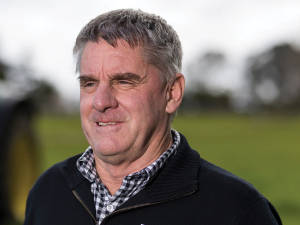
Federated Farmers has welcomed new rural policies released by ACT, saying they align closely with its own election priorities.

Rural Contractors NZ says proposed changes to land transport rules for agricultural vehicles are a welcome response by the Government to out of date regulations which have seen members hit with huge fines.
Alliance is calling for final applications for its 2027 Graduate Programme, with applications closing on Sunday 25 October.
Decades piloting planes has ensured vet and farmer David Hayes is focused on safety. So, after a serious accident while welding on farm, he is sharing his experience so others can learn from it.
Canterbury milk processor, Synlait Milk has confirmed Leon Fung as its chief executive officer.
OPINION: Making it easier to collect rainwater and use it to grow crops and livestock is a no brainer.



OPINION: The same mainstream media muppets that brought you Jacindamania in 2017 have been flat out pimping for the Opportunities…
OPINION: Your old mate reckons the atrocious way farmers in the UK are treated by their lords and masters in…




