
Four Candidates Confirmed for Fonterra Board Election
Four candidates have been confirmed for two director positions on Fonterra’s board.




 increase font size
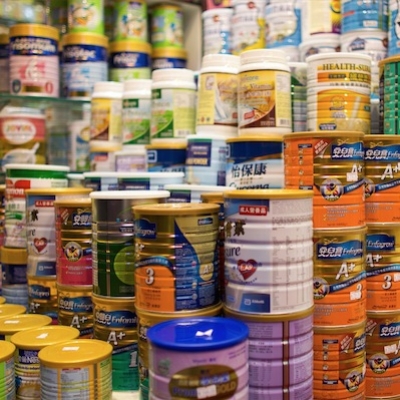 Infant formula in China.
Not every day do you hear of Fonterra working with smaller players in the competitive global market. A case in point – China.
The co-op has been pumping millions into China since launching its infant formula and nutritional milk powder brands; in a market where Fonterra is rubbing shoulders with the world’s largest dairy players this is understandable.
New Zealand companies have a dubious reputation for savagely competing with each other in global markets; the meat industry is an obvious example.
What is astoundingly different is the offer by young entrepreneurs Simon Page and his wife Jane Li to help exporters break into the notoriously difficult Chinese market.
The couple own Biopure and have established 25 specialty New Zealand Milk Bar stores in China. Biopure exports milk products including infant formula to China, selling through its stores in 23 cities and six provinces. It hopes to have 1000 stores by the end of 2017.
Biopure recently gained Chinese registration for its Infapure infant formula brand, which Page has described as a “game changer”. Page and Li are highly regarded for their efforts. Even Fonterra has sought their advice on the sale of branded products.
Their company, like many, started small and has grown quickly, drawn along by the astonishing pace of the Chinese market where the rising middle class is seeking western consumer products – notably milk.
Page and Li clearly understand the psyche of the Chinese consumer and have tailored their products accordingly. But what’s really special about them is that they ‘own’ the retail space and interface with the consumer by virtue of their stores. Owning the value chain is a big prize and that says a lot about their expertise.
While New Zealand Trade and Enterprise and other trade related agencies offer great help to exporters, hearing the news from someone who is there and doing it is pure gold. New Zealand has always been highly regarded as a producer of high quality food. Its farming systems have been widely copied, which is flattering.
But too often we have come up short on the marketing side, and lagged in developing higher value products from our base products – namely milk and meat.
Surely, Page and Li must be doing something right. If they can do it, so can others? Their success offers an attractive case study.
Four candidates have been confirmed for two director positions on Fonterra’s board.
A record farmgate milk price and strong global demand is laying the foundation for continued growth of organic dairy farming in New Zealand.
Waikato milk processor Tatua has again declared a record milk payout to farmer shareholders, leaving other processors in the dust.
Fonterra has unveiled its annual results for the 2026 financial year, posting $27 billion in revenue and close to $20 billion returned to New Zealand farmer owners and unit holders.
Fonterra Co-operative Group has confirmed the independently assessed candidates standing for election to its board in 2026.


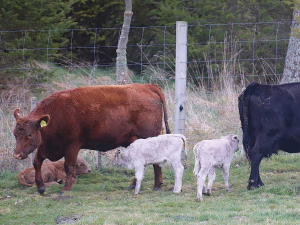
A major move is about to get underway to improve the quality and viability of dairy beef and cattle in NZ.
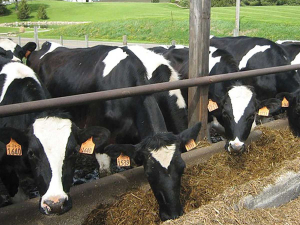
Veterinarians say changes to the code of welfare for dairy cattle provides a positive foundation for improved cattle welfare across the country.
Today, 15 October, is the International Day of Rural Women, which recognises rural women’s contribution to farming, communities and the environment.
Global dairy giant Lactalis has integrated its Australian operations with the Mainland Dairy consumer business it acquired from Fonterra earlier this year.
After almost two decades of sharemilking, saving and building equity, Aaron and Marcia Flay this year realised their long-held dream of settling on their first dairy farm.
Good medium to long term prospects for NZ beef, especially in the US, has heighted the focus on various initiatives to capitalise on this situation.


OPINION: It seems Canterbury processor Synlait is still in the doldrums.
OPINION: Get offside with New Zealand First leader Winston Peters at your own peril.




