New Dairy Holdings CEO Backs Self-Contained Model
Running a tight and self-contained ship is the key to the success of the country's largest dairy farmer, says Blair Robinson, the new man at the helm of Dairy Holdings.



 increase font size
 The priority over the next 12-18 months will be continuing to find and eliminate the disease.
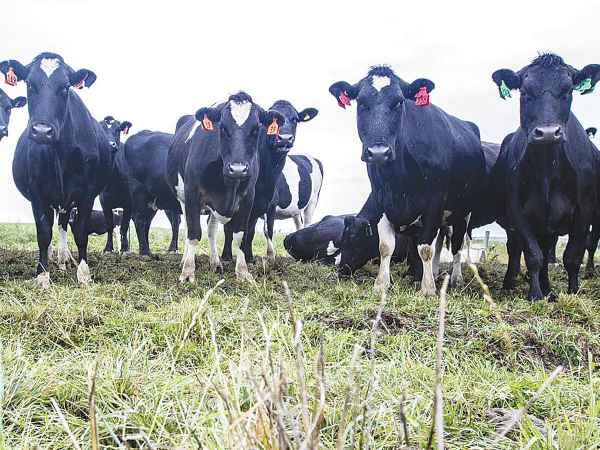
It’s been two years since NZ decided to eradicate Mycoplasma bovis.
Agriculture and biosecurity minister Damien O’Connor believes that the latest technical data shows the programme is on track.
“Two years ago, the Government, DairyNZ and Beef + Lamb New Zealand and industry partners committed to a 10-year, $880 million programme to eradicate M. bovis to protect our most important sector and the economy.”
O’Connor claims if the disease had been left to run rampant, he’s unsure whether the dairy and beef sectors would have been able to weather the economic storm of COVID-19 and the challenges of drought conditions.
“These sectors are now well-placed to lead us out of this economic crisis.”
O’Connor says he is proud of the farming community and they should be proud of themselves too.
“We currently have 17 active properties and 232 that have been cleared of the disease. We’ve culled 154,788 cattle.
O’Connor says the priority over the next 12-18 months will be continuing to find and eliminate the disease.
“We will get another technical advisory group report in the coming months, but two years into a 10-year effort, I’m pleased by the progress made.”
To view the most recent M. bovis facts and figures visit: https://www.mbovis.govt.nz
Running a tight and self-contained ship is the key to the success of the country's largest dairy farmer, says Blair Robinson, the new man at the helm of Dairy Holdings.
OPINION: It's no surprise that "world-class biosecurity" continues to dominate as the top priority for agribusiness leaders, holding the number one spot for the 16th consecutive year in KPMG's latest agribusiness report.
A miserable budget that didn’t deliver much for anyone.
National's decision to ‘dribble’ information about the NZ/India to Labour contributed to the delay in it deciding to supported the FTA.
When it comes to international trade, politicians from all sides of the aisle are united, says Labour's trade spokesman Damien O'Connor.


OPINION: The time has come for the Government to back the organic sector.
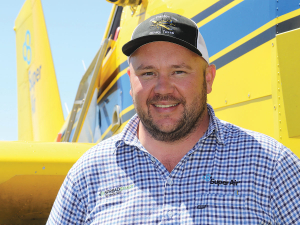
Plan ahead and be patient. That’s the message to farmers and horticulturalists from the chairman of the NZ Agricultural Aviation Association, Kent Weir.
The industry is crying out for graduates with agricultural related degrees.
While GPS and guidance have become the norm and yield mapping and variable application continues to gain traction, most agricultural machinery manufacturers continue to expand their technology offerings, amalgamating the vast amounts of data being collected to streamline real-time and ongoing management decisions.
Supply chain problems, growing protectionism and a move to greater food security are some of the key challenges facing New Zealand exporters, according to our top trade negotiator, Vangelis Vitalis.
A spat within the ranks of the New Zealand Deer Farmers Association has resulted in the suspension of outspoken North Canterbury farmer Barry Cuttance.