Strong Transition Cow Management Can Succeed in Any Farm System
There's a common assumption that effective transition cow management is only practical for high-input farms, as controlled rations can make delivery simpler.
 increase font size
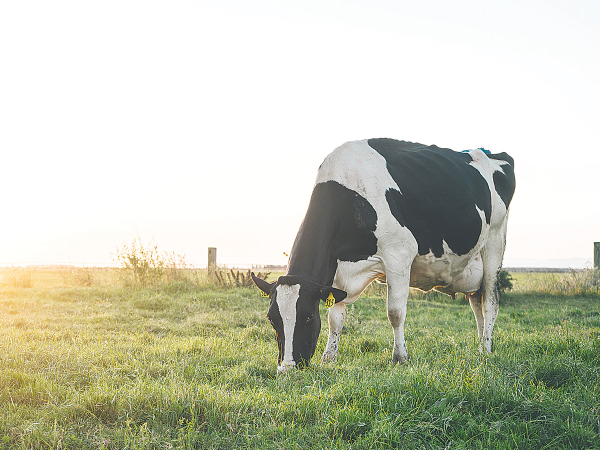 Investing in pasture and feed analysis is the most accurate way to ascertain mineral and trace element levels in your herd’s diet.
Spring brings heavy demands for our dairy cows, with calving, peak milk, and successful mating all crucial milestones for a profitable season, and all in a climate that is becoming increasingly volatile each year.
In an ideal world, our dairy herds would have access to ample amounts of high-quality pasture containing sufficient nutrients, vitamins, and minerals to drive optimum performance. However, reality is far from ideal and we need to be aware of potential mineral deficiencies presented by our pasture-based system.
Low levels of trace elements in pasture
Trace elements are commonly found to be deficient in grazing dairy cows.
Also called micro minerals, these are copper, cobalt, selenium, iodine and zinc, and all work together to play a crucial role in cow health and performance.
Low copper absorption in cows, combined with low copper content in pasture easily results in deficiency. Copper is key for proper immune development and deficiency can mean cows are more susceptible to infection.
Cobalt is required for the synthesis of vitamin B12, which is essential for energy metabolism, fibre digestion, and immunity. With our soils generally high in manganese, cobalt uptake by the plant is restricted, resulting in inadequate cobalt levels.
Selenium is vital for immunity, milk production, reproduction, and calf viability. In general, pasture tends to be low in selenium and fertilisers do not sufficiently correct this.
Iodine is essential for energy metabolism, milk production, and reproduction. Not only is pasture uptake of iodine usually low, it is also easily leached in wet spring weather.
Zinc levels are commonly low in pasture, but this trace element is required for production, reproduction, animal growth, long-term hoof health, and immunity.
Efficient mineral dosing
While dusting and water dosing is common, we know that mineral supplementation through feed systems is the most effective way of getting minerals into your cows, whether through an inline feed dispenser or mixer wagon.
It’s important to note that not one single feed provides the perfect balance of macro and micro minerals, of which adequate levels are vital for optimum production, successful mating, and pregnancy maintenance. Investing in pasture and feed analysis is the most accurate way to ascertain mineral and trace element levels in your herd’s diet, resulting in an effective mineral supplementation plan this season.
Chris Balemi is managing director of Agvance Nutrition
There's a common assumption that effective transition cow management is only practical for high-input farms, as controlled rations can make delivery simpler.
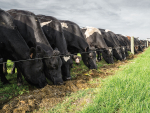
When a cow goes down after calving, it is easy to blame the calving itself. Milk fever, calving stress, poor weather, bad luck. Yet many down cows are not caused by one dramatic event. They are the end result of poorly transitioned cows entering calving under nutritional pressure.
The dry period isn’t just a farm holiday but a chance to get your herd match-fit for calving and early lactation. If you treat it as a focused phase of preparation, recovery and capacity building, you’ll see the benefits when the cows return to milk.
March often brings a useful mix of opportunity and risk on New Zealand dairy farms.
OPINION: Late lactation is often viewed as a low-demand phase, when cows are winding down, and we dial down our supplements accordingly.
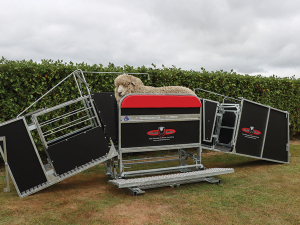
Oamaru-based livestock handling specialist Te Pari has bought Combi Clamp, the New Zealand manufacturer of Combi Clamp manual sheep handlers.
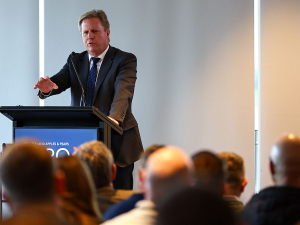
Agriculture Minister Todd McClay has admitted that a scheme bringing workers from Pacific nations to work on orchards has become too hard to navigate but says changes are coming.
A new app designed in New Zealand aims to help sheep, beef and deer farmers capture, analyse and use body condition score data more effectively.
Canterbury farmer Andy Macfarlane has been appointed to the board of AgriZeroNZ, the public-private partnership designed to accelerate the development and deployment of emissions reduction tools for New Zealand farmers.
For over 50 years Mel Ewers has been supporting the apple sector navigate through compliance and quality assurance issues.
The apple sector is enjoying a bumper harvest season.