Where Is The Honesty Among Our Representatives?
OPINION: A founding principle of Groundswell NZ is that farmers, and people generally, should be provided with full and accurate information about regulations that directly affect them.
 increase font size
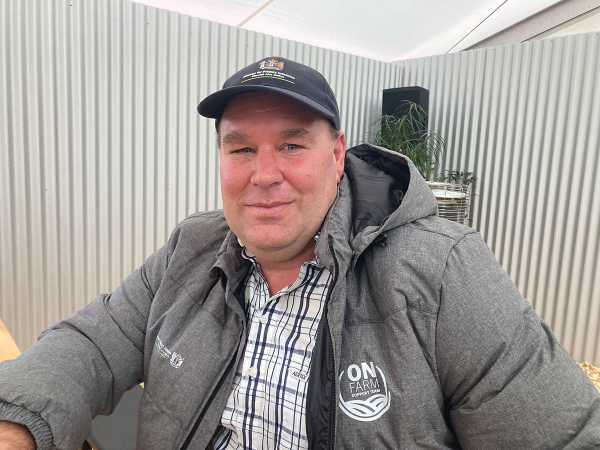 Andrew Hoggard
OPINION: 2025 was a big year for rural New Zealand in terms of policy.
There were a number of key issues that had long frustrated those of us in the provinces which were finally addressed. The introduction of a replacement for the RMA is probably the highlight and it's fair to say that the key goal of 2026 needs to be getting that passed.
Related to the RMA changes was the pressing need for consent rollover, especially for those caught up in the increasingly expensive process of trying to renew a consent which, in some cases, may not exist under the new system. It was personally very pleasing to speak to the Bill just before the end of the year, having sat around kitchen tables of people who were going through hell. I was glad to play a part in getting a solution for them.
In that same sitting week, we also got through changes to the methane targets. The old targets, as I said in Parliament, had been plucked by the last government from a report which said don't use these numbers as national targets. As well as now having scientifically based targets, we ruled out a price tag being put on a methane which had been a long-standing ACT position. It was good to get our colleagues over the line and opened the door on investigating a split gas Nationally Determined Contribution, another ACT position and a key part of our viewpoint that 'Paris needs to change or we need to leave'. Finally, the ETS backstop was removed for agriculture. In a practical sense, what this means is you can just get on with farming and not worry about methane taxes.
In my portfolios, we got agreement around several preparedness and response initiatives, including signing the Foot and Mouth Disease Operational Agreement with the sector. We know how important protecting our borders is to New Zealand's primary sector and our economy.
I'm looking forward to introducing a total refresh of the Biosecurity Act to Parliament this year to further strengthen our borders. The focus in food safety has been cutting the red tape. I'm focused on introducing legislation to deliver on improvements to the access of new Agricultural Compounds and Veterinary Medicines. These are critical to show that New Zealand is an attractive market so that farmers have the tools they need.
A key element for this year with the RMA replacement is settling on a new National Policy Statement on Freshwater. This will provide a lot of the direction and detail needed to provide clarity around how the new system will work.
The key questions will be how much top down with national bottom lines do we want compared to local flexibility, and does Te Mana o Te Wai stay as a concept in the NPS. From an ACT point of view, we have held a long-standing position that vague spiritual concepts should not be included in regulations. If we want a growing economy and all the social services that come with it, then there needs to be clarity in our regulations. If we are forever running to the courts to looks for definitions then, aside from the lawyers, we are all stuck in neutral.
A lot of the focus this term has been on fixing the mess that was left behind. The next term should really focus on looking ahead.
In the ACT party, we have ideas about the direction the country needs to go in, but I invite rural New Zealand to tell me what you think we need to be focusing on. To fulfill New Zealand's potential to be the best country on the planet, I'm keen to visit as many shearing sheds, milking sheds, packing sheds, and implement sheds throughout the country this year to hear from you directly on what you feel is important.
Andrew Hoggard is an ACT MP and Minister for Biosecurity and Food Safety.
OPINION: A founding principle of Groundswell NZ is that farmers, and people generally, should be provided with full and accurate information about regulations that directly affect them.
OPINION: Well, the silly season is upon us and all us politicians are running around shaking babies and kissing hands, or maybe the other way around.
It was billed as a chance for all the political parties to woo the rural vote, but question marks hang over just how effective this was.
There's been widespread support from the primary sector for the Government's announcement on changes to freshwater farm plans that come under the Natural Environment Bill, which is now set to replace the existing RMA.
Agriculture Minister Todd McClay has admitted that a scheme bringing workers from Pacific nations to work on orchards has become too hard to navigate but says changes are coming.

Mobile phone coverage and reliability are deteriorating in rural areas, and farming families are bearing the cost, according to a Federated Farmers survey.

HelloFresh New Zealand has launched a limited-edition Country Cookout Box of Southern-inspired meals, arriving as the 2026/27 rodeo season gets underway.
Beef + Lamb New Zealand Incorporated (BLNZ Inc) is marking 40 years of promoting red meat to New Zealand consumers, citing its taste, family meals and nutritional benefits.
Pāmu has welcomed Taranaki student Paige Burston as its newest First Foundation Scholar, supporting her journey towards a career in agriculture and animal science.
Farmer-owned fertiliser company, Ballance Agri Nutrients is welcoming National’s plan to negotiate security agreements with key supplier countries to protect New Zealand-bound products from export restrictions and greater supply chain certainty.
Carrfields has announced the appointment of Stu Hall to the newly created role of chief operating officer, Carrfields Ltd, reflecting the continued growth of their agribusinesses and the need to ensure the company has the leadership capacity and support in place as it pursues the emerging opportunities ahead.