M.I.A.
OPINION: The previous government spent too much during the Covid-19 pandemic, despite warnings from officials, according to a briefing released by the Treasury.
 increase font size
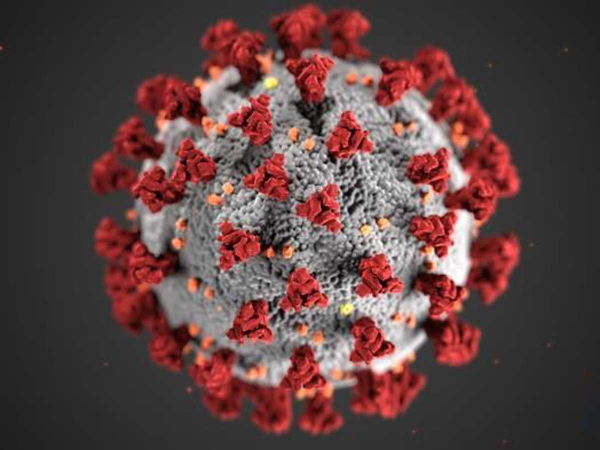 No one knows what the new normal will look like.
OPINION: Make no mistake, COVID-19 will change things: some things for a month or two, some for a year or two, and some permanently.
No one knows what the new normal will look like.
But it’s likely that dairy farming in New Zealand and food production generally will fare better than most industries and will come out of this stronger.
Last week one industry leader Mark Townshend laid out what he thinks is in store for NZ dairy industry after COVID-19 evaporates.
From a pathway to reduce production, the dairy sector can use post-COVID-19 to look at boosting milk production again.
The greenies and environmentalists will be out there, blaming farmers and their cows for all greenhouse gas emissions.
The pressure to reduce water quality in lakes and rivers will also remain on farmers.
Townshend believes provided water quality safeguards are respected, increasing NZ food production will be both financially beneficial for NZ and globally beneficial for climate change.
Post-COVID-19 should also slow down, if not stop, urban drift.
Urban drift is a worldwide problem for rural communities. Globally there are rural challenges everywhere in the world if a greater percentage of the more talented young people drift to urban centres and more of the less motivated and educated stay in rural populations.
The resetting of economic realities under COVID-19 and people changing their views on what is important in life offers rural NZ an excellent opportunity to market itself as a great place to live, raise families and teach their young good values and work ethic.
Attracting more human talent to rural areas offers the opportunity to improve the leadership in our local authorities, education centres, health centres and social services like sports clubs, churches and arts.
The importance of rural NZ reinstated by COVID-19 experience should also boost farm labour talent pool.
Post-COVID-19 farming should expect to see increased interest from a new pool of people looking to enter farming as a career. Townshend says his farming group has had approaches from airline pilots and sports coordinators about career opportunities in the weeks since lockdown.
With planes grounded and tourism on its knees, New Zealanders will be looking for dairying and agriculture to keep foreign earnings coming in.
Food production and the value it creates for the NZ economy will not be just important, but very important.
OPINION: The previous government spent too much during the Covid-19 pandemic, despite warnings from officials, according to a briefing released by the Treasury.
OPINION: Labour leader Chris 'Chippy' Hipkins is carrying on the world-class gaslighting of the nation that he and his cohorts started after their disastrous Covid response; now trying to undermine the Covid inquiry to protect his own backside.
OPINION: Did former PM Jacinda Ardern get fawning reviews for her book?
OPINION: Welcome to the second annual NZ Dairy Expo at Matamata – an event created to bring together the best of the New Zealand dairy industry in a focused, grassroots environment where dairy farmers and rural professionals can meet, talk, compare products, and make smart decisions for their farms.
It's a bloody tough year for sheep farmers, but the worst may be over, and the future looks optimistic.



Now in its fourth year, the 2026 Fencing Industry Awards, formed part of the proceedings of the FCANZ Conference, held in Nelson during August.
DairyNZ deputy chair Cameron Henderson has been re-appointed unopposed for another term.
OPINION: The stats speak for themselves.
Farms across the upper North Island are trialling different pasture mixes as part of a research programme that aims to build greater resilience into farming systems.
Election years are always a concerning time for farmers, according to DairyNZ chair Tracy Brown.
The Ballance Farm Environment Awards are coming to the West Coast of the South Island.