Early Weaning Lambs: What the Massey Trials Found
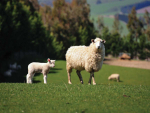
Farmers with high-quality feed available in late spring could consider weaning at least a proportion of their lamb crop early to benefit both lambs and ewes.
 increase font size
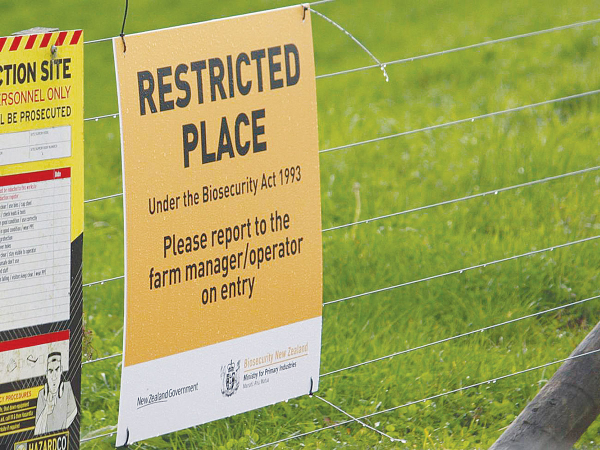 The current number of confirmed M. bovis properties is five.
The Mycoplasma bovis Programme claims to be making good progress towards the eradication of the disease from New Zealand.
The programme was set up in May 2018 in reaction to an outbreak of M. bovis and is jointly funded by the Government, DairyNZ and Beef+Lamb NZ.
All properties in the high-risk area in Wakanui, Mid Canterbury, which is under a Controlled Area Notice (CAN), have now been cleared of cattle. Testing will be underway shortly on the properties in the surrounding area with the CAN on track to be lifted in mid-March.
The Ministry for Primary Industries (MPI) says the number of active confirmed properties has decreased. M. bovis programme director Simon Andrew says the current number of confirmed properties is five, compared to 40 at the height of the outbreak. He adds that the programme expects all of the confirmed properties to be cleared within the first half of 2023.
“While this progress is great news for farmers, there is still work to be done before New Zealand can transition to the next stage of the eradication effort, which will primarily focus on bulk tank milk, and beef and drystock cattle surveillance,” he says.
“Over time, this will provide us with the necessary information for us to be confident the country is absent of the disease. It is expected that more infected properties may be identified before this shift.”
Andrew says the programme continues to find instances of poor NAIT practices, which he says is disappointing.
“Good NAIT records mean we can trace animal movements a lot faster, which in turn reduces the residual risk of infection and protects what we’ve all achieved to date.”
Farmers with high-quality feed available in late spring could consider weaning at least a proportion of their lamb crop early to benefit both lambs and ewes.
The first major update to the Dairy Cattle Code of Welfare in more than a decade has been released, marking what DairyNZ describes as an important step in ensuring animal welfare standards continue to evolve alongside scientific evidence and on-farm realities.
Bovine Viral Diarrhoea (BVD) is sometimes viewed as a dairy industry issue, but the reality is that the disease can have serious consequences for beef breeding herds as well.
Animal health company Bovonic is gearing up for its next stage of growth after increasing New Zealand sales of QuadSense by more than 50% in the last 12 months, including a record quarter for the business this year.
With lambing underway in many regions, Beef + Lamb New Zealand is encouraging farmers to put together a wellequipped lambing kit to help minimise lamb losses, particularly in bad weather.



Federated Farmers has welcomed new rural policies released by ACT, saying they align closely with its own election priorities.

Rural Contractors NZ says proposed changes to land transport rules for agricultural vehicles are a welcome response by the Government to out of date regulations which have seen members hit with huge fines.
Alliance is calling for final applications for its 2027 Graduate Programme, with applications closing on Sunday 25 October.
Decades piloting planes has ensured vet and farmer David Hayes is focused on safety. So, after a serious accident while welding on farm, he is sharing his experience so others can learn from it.
Canterbury milk processor, Synlait Milk has confirmed Leon Fung as its chief executive officer.
OPINION: Making it easier to collect rainwater and use it to grow crops and livestock is a no brainer.