Stephen Allen to Step Down as Tatua Chair After 23 Years
Tatua chair Stephen Allen says he leaves the co-op with a deep sense of gratitude for the people who have contributed to its success.
 increase font size
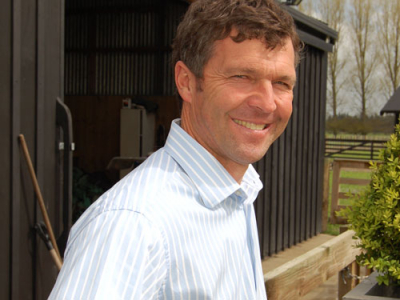 Stephen Allen.
The chairman of Waikato milk processor Tatua says the record 2017-18 annual result came on the back of a great team effort.
Stephen Allen says the input of farmers, management and staff over the years has resulted in a record result; the co-op achieved record group revenue of $357 million, and earnings of $127 million.
Tatua’s final payout to farmer shareholders is $8.10/kgMS after retaining 52c/kgMS. The co-op again topped the payout table, ahead of other NZ processors.
Allen says topping the payout stakes among other processors isn’t on the minds of the co-op.
“We strive towards improving and getting better all the time; we have been quietly getting better over the years,” he told Rural News.
He singles out a new computer system implemented across the company as one of the major projects over the last financial year.
“To have such a major project successfully implemented in the background while we processed milk is a reflection of our staff; the project may sound mundane but it was quite a big deal for us.”
This season Tatua will focus on sustainability; both in the business and on farm with shareholders.
Tatua processed 14.7 million kgMS in 2017-18, lower than the previous year due to unfavourable farming conditions.
Allen says in deciding the payout, it sought balance between supporting shareholders and Tatua’s requirements for reinvesting in the future.
“Our gearing (debt divided by debt plus equity) at year end lifted slightly from 35% last year to 37%, but will normalise back to around 35% or less as we move further into the current season.
“We are optimistic in our outlook for dairy and the season ahead, but will also be keeping a healthy level of caution considering the emerging global trade situation that may affect us in some way.”
Tatua chair Stephen Allen says he leaves the co-op with a deep sense of gratitude for the people who have contributed to its success.

Tatua Co-operative Dairy Company has confirmed that chair and director Stephen Allen will retire at the co-operative's annual general meeting (AGM) on 3 December 2026, ending 30 years of service, including more than 20 years as Chair.
Independent Waikato milk processor Tatua has set another new record for conventional farmgate milk price paid to New Zealand farmers.
OPINION: Earlier this month, small Waikato milk processor Tatua reminded the country that it’s still number one when it comes to paying farmers for their milk.
Waikato-based milk processor Tatua has announced a final 2023-24 season payout of $10.50/kgMS for its farmer shareholders, again topping the payout stakes among NZ milk processors.


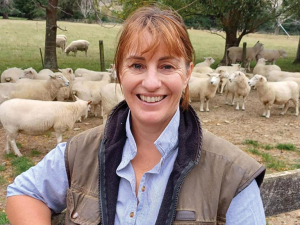
B+LNZ's Wormwise veterinarian Mary Bowron has won the Best Sheep and Beef Vet of the Year Award in recognition of her outstanding contribution to New Zealand’s sheep and beef sector.
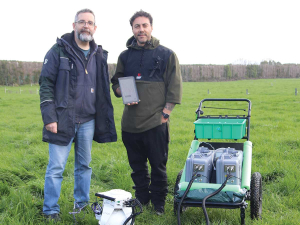
Researchers at Massey University are using a special piece of scientific equipment to improve the measurement of greenhouse gas emissions from pasture soils.
More signs of a booming kiwifruit sector.
OPINION: David Seymour and James Meager's plan to make it easier for farmers and orchardists to operate drones can best be described a 'courageous' move.
New Zealand wool is reaching new heights as air filtration companies move away from synthetic products to biodegradable alternatives.
Opuha Dam's ability to protect South Canterbury communities from major flooding has taken a significant step forward, with Opuha Water Limited (OWL) successfully commissioning a new outlet valve capable of releasing record volumes of water from the dam ahead of a weather event.