Robotic Rotary Milking: Inside a $6M Investment Paying Off Faster Than Expected
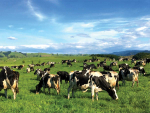
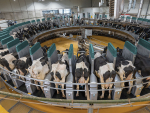
The Dairy ProQ robotic rotary, the first of its kind in the Southern Hemisphere, has proven to be an impressive addition for Victorian farmers Paul and Marsha Smith.
 increase font size
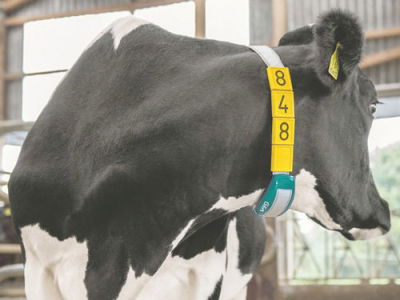 CowScout interprets a cow’s movement via a collar around the neck.
GEA’s CowScout Responder accurately identifies cows on heat through remote technology, further allowing better understanding of a herd’s overall health.
At the heart of the CowScout is the G Sensor that monitors and interprets a cow’s movement via a collar around its neck.
GEA New Zealand’s herd management solutions manager Jan Winke says the system better measures and interprets than the conventional ‘pedometer’ type heat detectors usually strapped to a cow’s leg.
“Our experience is that this sort of sensor is better for the NZ dairy situation where cows will typically be walking further than in Europe, meaning straight foot movement will not always be an accurate indicator of heat activity here.”
The sensors also detect eating, so indicating an animal’s health.
By recording and comparing individual cows’ eating they can detect any departure from the norm, and be set to alert operators to draft out sick cows.
Data is transmitted to a central receiver-processing unit, so the activity of individual cows is logged for access via PC or tablet through an internet link.
The CowScout can provide 24 hour direct alerts on cows that are presenting heat activity, and it suits NZ’s batch approach to mating, usually after the morning milking. Typically, the cows on heat during the last 24 hours would be displayed through the PC or tablet before milking starts, and their numbers can be entered into the system for identification and drafting for AB.
GEA says pasture-feeding farms where CowScout has been installed are finding it works: they are getting information about cows in poor health and help in identifying cows with hard-to-diagnose post-calving condition.
Winke comments “a big challenge for NZ farmers is getting heat identification right for the critical first three weeks of mating. The CowScout has proven 90-95% accuracy, and provides options for the timing of AB.”
For farmers doing their own AB, a real-time update on heat activity will help with timeliness; and cows not needing to come into the milking shed opens opportunities for breeders of pedigree or beef cattle to monitor their herds closely.
The Dairy ProQ robotic rotary, the first of its kind in the Southern Hemisphere, has proven to be an impressive addition for Victorian farmers Paul and Marsha Smith.
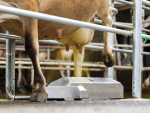
GEA says that its latest walkover teat sprayer is helping farmers save time and boost udder health.
New Zealand farmers get their first opportunity to experience the future of pasture-based dairy automation in action this week at the National Fieldays.
Milking technology provider GEA Farm Technologies is introducing its first automatic milking system (AMS) in New Zealand.
In a groundbreaking move for dairy farming in New Zealand, Craig Copland has become the first farmer in the country to use GEA’s Manure Decanter system, traditionally used in wastewater and wineries, to enhance environmental sustainability on his Canterbury farm.



New Zealand's citrus growers were challenged to build their future on the value embedded in their fruit rather than the volume they produce, at Citrus New Zealand's annual gathering in Gisborne on 17 September.
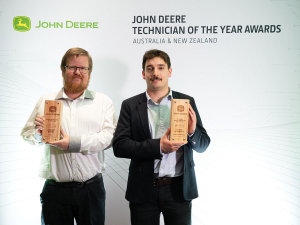
Leading John Deere technicians and apprentices from New Zealand and Australians were recognised at the recent sixth annual JD Technician of the Year Awards, held in Brisbane.
In Dacre, near Invercargill in New Zealand’s South Island, Bruce Dinnington is running a dairy operation unlike any other.
A free online platform aggregating governance vacancies across rural and regional New Zealand has been launched.
Environment Minister Nicola Grigg has announced details of a new rural plastics recycling scheme.
Agricultural drone operators say that a government decision to allow lower-risk drone work without certification won’t lower standards but drive innovation and efficiency.