Milking 600 cows in one hour
King Country farmer Shane Ardern has never been afraid to be a bit different.
 increase font size
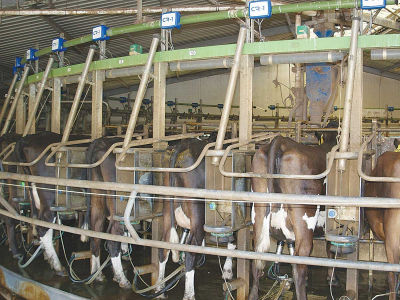
Malfunctioning cup removers in the milk shed can be a major issue, just ask Gordonton farmers John and Sandra Shewan.
Milking 520 cows in a 50-unit rotary system, built in 2005, the Shewans found the existing cup removers a burden.
“It was frustrating milking cows every day without knowing what was going to fail next,” says John.
He says they faced the same issues daily: going from one end of the rotary to the other just to ensure that the cups were coming off at the correct time.
They were forced to take on a second person for milking, when the system only needs one milker.
John says tired and frustrated with these reoccurring issues they decided to upgrade the existing cup removers to MilkTechNZ’s CR-1 cup removers.
“The installation process was completed within a few days and without any interruption to the milking.
“The rotary is now a one-man system again and the cows are milking out cleanly,” he says.
The Shewans say they are now working in a worry-free environment once again and can continue with business as usual. “It is a pleasure to milk cows again,” says John.
MilkTechNZ, which specialises in electronic cup removers and accessories for both herringbone and rotary milking sheds, says its CR-1 electronic cup removers are a one-man operation: simple, and reliable.
They are designed and manufactured in NZ: featuring a durable three-inch stainless steel ram, an illuminated switch and a free-flow sensor. The CR-1 also uses electronic componentry that is mounted high and safe in the milking plant, thereby substantially reducing the exposure to moisture and muck.
Integral technology sees a range of customisable parameters controlled by the latest software and programming of milking parameters using Wi-Fi connectivity to an enabled device, with the added benefit of software upgrades in ‘Real Time.”
MilkTechNZ says this feature allows mass adjustment of the units, rather than the more typical method of using control screens for individual units.
Additionally, in-built diagnostics can alert operators to any issues that may occur during the milking cycle.
While removing teat cups at the end of cycle, the CR-1 can also support in-bail teat spraying and bail-gate control in rotary sheds alongside automated milk-sweep functions to clear lines and cluster drop functionality.
MilkTechNZ chief executive Gustavo Garza says there are huge opportunities for NZ operators to reduce labour and increase productivity by upgrading plant to automated cup removers.
“Our CR-1 cup removers offer a host of features to make life in the milking shed so much easier and can also be retro-fitted to existing systems as plant fails, usually at much lower cost.”
Garza says the units are available throughout the country through an approved dealer network. On the export front, CR-1 cup removers are already making inroads into countries such as Australia, Brazil, Argentina and Chile.
King Country farmer Shane Ardern has never been afraid to be a bit different.
A feeding system developed for herringbone dairy sheds by Tuakau-based PPP Industries is now ready for prime time, says general manager Nick Morison.
PPP Industries Ltd, New Zealand-owned company, has been designing, manufacturing and installing innovative agricultural equipment for at least 50 years.
Rotary milking machines are becoming more popular worldwide, says DeLaval executive vice-president milking systems Jonas Hallman.
The first 84-bail composite Waikato Milking Systems rotary platform built in the US has won an energy efficiency award.


Federated Farmers has welcomed new rural policies released by ACT, saying they align closely with its own election priorities.
Rural Contractors NZ says proposed changes to land transport rules for agricultural vehicles are a welcome response by the Government to out of date regulations which have seen members hit with huge fines.
Alliance is calling for final applications for its 2027 Graduate Programme, with applications closing on Sunday 25 October.
Decades piloting planes has ensured vet and farmer David Hayes is focused on safety. So, after a serious accident while welding on farm, he is sharing his experience so others can learn from it.
Canterbury milk processor, Synlait Milk has confirmed Leon Fung as its chief executive officer.
OPINION: Making it easier to collect rainwater and use it to grow crops and livestock is a no brainer.