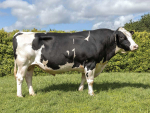
Timaru-Bred Bull Takes Out 2026 Mahoe Trophy
An LIC bull, Tronnoco AR Sadio-ET S3F, bred by Tony and Keri O'Connor of Tronnoco Farming Co Ltd near Timaru, has won the 2026 Mahoe Trophy.



 increase font size
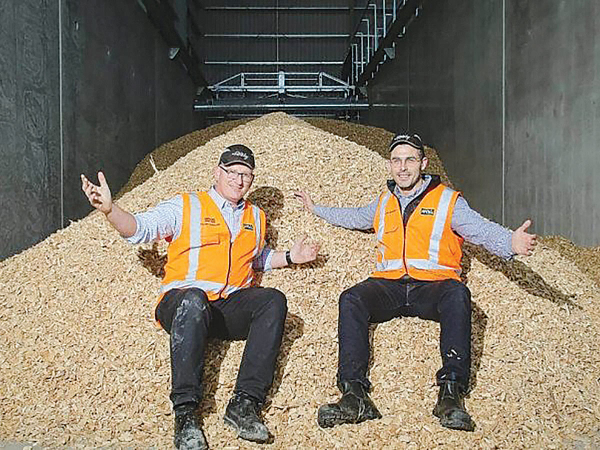 McCain Timaru engineering project manager Lenard Smythe and plant manager Jordan Jurcina with woodchips that will be used to replace coal.
McCain Foods Timaru plant is aiming to reduce its demand for heating fuel and CO2 emissions generated by burning coal.
The company says, in alignment with its objective of avoiding coal consumption by 2025, the Timaru French fries plant converted its coal-fired boiler to operate from domestically-sourced woodchips. McCain claims this will reduce its carbon emissions by around 30,000 tonnes per year.
Trials began in May 2021 with the Energy Efficiency and Conservation Authority (EECA) requirements to prove the concept, with final commissioning completed in June 2022.
McCain Foods engineering project manager Lenard Smythe says the initiative is a positive step forward and an opportunity for McCain to continue innovating to reduce its carbon footprint.
“It’s important for companies to take the initiative and lead the way when it comes to climate action. It’s in our best interest to save our environment and continually improve our practices to reduce our impact in terms of emissions,” he explains.
“The Boiler Conversion project is only one of many initiatives McCain is working on to achieve our sustainability targets.”
In recognition of the project meeting the Government’s sustainability objectives, McCain has been awarded GIDI (Government Investment in Decarbonising Industry) funding on a co-investment basis.
New Zealand will ban new coal boilers by 2022 and phase out existing coal boilers by 2037.
McCain Timaru says it is also focused on recovering waste heat from the fryer for use elsewhere in the facility.
This will further reduce total energy consumption by more than 37,000 GJ/year and reduce fuel consumption.
This will support the general site’s steam demand, which includes preheating boiler feed water and further cut the fuel required to fire the boilers.
Smythe says McCain Timaru will continue to innovate and work with industry and government to produce high quality products with less environmental impact.
An LIC bull, Tronnoco AR Sadio-ET S3F, bred by Tony and Keri O'Connor of Tronnoco Farming Co Ltd near Timaru, has won the 2026 Mahoe Trophy.
Federated Farmers president Colin Hurst and his family raised a glass of milk last week to toast the start of a new addition to their farming operation at Makihihi, south of Timaru.
The Government is funding a feasibility study to investigate what would be required for a successful farmer-led purchase of the McCain Foods' vegetable processing site in Hastings.
The closure of the McCain processing plant and the recent announcement of 300 job losses at Wattie’s underscore the mounting pressure facing New Zealand’s manufacturing sector, Buy NZ Made says.
Central Hawke's Bay Mayor Will Foley says McCains plans to close its Hastings vegetable processing factory is a "tough pill to swallow" for the Hawke's Bay region.


The Royal New Zealand College of General Practitioners (the College) and Hauora Taiwhenua Rural Health Network are calling for investment in a proposed new training pathway for rural GPs, warning that many rural practices are struggling to recruit while a large share of the existing workforce nears retirement.
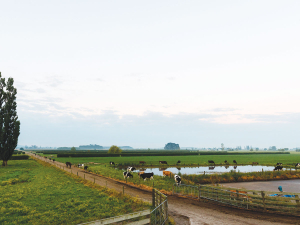
Federated Farmers has called on Central Otago District Council (CODC) to drop or vote down a plan to truck sludge from Alexandra and Cromwell to farmland near Lauder, warning it would compound an "outrageous" situation created by a separate council's decision weeks earlier.
Synlait has swung to second-half profit as operations stabilise, but the dairy processor still posted a $75.4m annual loss.
LIC shareholders have elected a new North Island representative to the co-operative's Board, along with five representatives to its Shareholder Reference Group (SRG), following the company's Annual Meeting held in Invercargill.
Farmers across parts of Southland and South Otago are continuing to deal with difficult conditions after a prolonged run of wet weather, with pressure building around feed supply, stock management, pasture damage, farm infrastructure and everyday workloads.
Federated Farmers says it welcomes Labour's commitment to reviewing the Sharemilking Agreements Act, calling on other major parties to do the same.


OPINION: The same mainstream media muppets that brought you Jacindamania in 2017 have been flat out pimping for the Opportunities…
OPINION: Your old mate reckons the atrocious way farmers in the UK are treated by their lords and masters in…




