Record Kiwifruit Harvest Brings Optimism, but Green Growers Face Profitability Challenges
Signs for the 2026-27 kiwifruit crop look good, but there are still some challenges for growers – especially those who produce green kiwifruit.



 increase font size
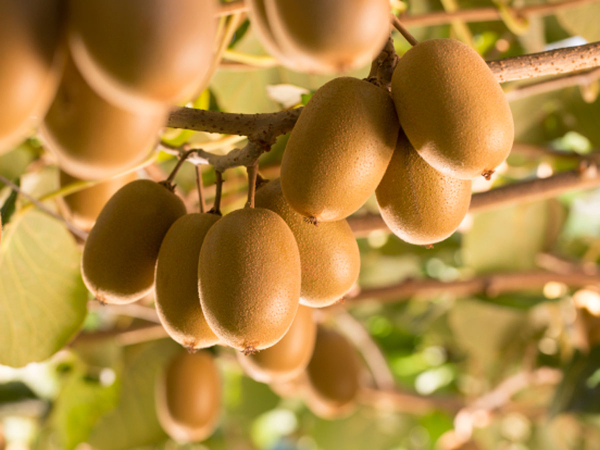 NZ Kiwifruit Growers Inc says its fight to continue using sprays like Hi-Cane has cost the advocacy organisation most of its retained earnings.
The fight to continue using sprays like Hi-Cane has been costly for kiwifruit growers.
NZ Kiwifruit Growers Inc (NZKGI) chief executive Colin Bond says it cost the small advocacy organisation most of its retained earnings.
“The doubt that has been cast on our industry over the last several years has had serious consequences on the well-being of our growers as well as creating financial uncertainty across the industry.
“Orchard prices have dropped significantly throughout the assessment, which will be partially attributable to the risk felt by investors. The reassessment would have no doubt inhibited growth at a time when export earnings are critical for our national economy.
“An independent economic report commissioned by NZKGI found that if Hi-Cane was in fact banned, it would have a significant impact on New Zealand’s economy, including Māori growers and their whānau and communities.
“These concerns were voiced clearly by growers at the hearing on the reassessment.”
NZKGI claims the initial reason that the EPA wanted a reassessment and proposed a phase out of hydrogen cyanamide was due to human health concerns.
“Based on overseas information, the EPA were concerned that the chemical had carcinogenic properties. However, evidence provided to, and accepted by the EPA, has shown that this is not the case. Despite these findings, the EPA continued with its reassessment and proposed a phase out of the chemical, albeit over a longer period than initially recommended, due to concerns that Hi- Cane is harmful to birds and some soil organisms.
“However, expert reports stated that the EPA’s risk assessments relating to birds and soil organisms were overly conservative and this is backed up by grower observations.”
The EPA says Hi-Cane is widely used in the kiwifruit industry to help buds form by simulating the effects of frost. It is also applied to some apple, cherry, apricot, and kiwiberry crops.
Products containing hydrogen cyanamide are restricted to commercial use and can only be used by trained professionals who must follow strict rules when spraying.
The rule changes include further restrictions to the way hydrogen cyanamide products are used, how much can be sprayed, and the need for buffer zones when spraying crops.
New Rules
Changes to the hydrogen cyanamide approval by EPA include:
Signs for the 2026-27 kiwifruit crop look good, but there are still some challenges for growers – especially those who produce green kiwifruit.

The country's kiwifruit growers seem to have escaped much of the predicted wrath of Cyclone Vaianu which hit the east coast of the North Island this month.
Reports of severe weather forecast to move over the vast majority of New Zealand’s kiwifruit orchards this weekend will be very concerning for a significant number of growers.
While the recent storms in the upper and eastern part of the North Island have hit a few kiwifruit growers, it is unlikely to have a major impact on the overall industry.
It's been a fantastic season so far.



Now in its fourth year, the 2026 Fencing Industry Awards, formed part of the proceedings of the FCANZ Conference, held in Nelson during August.

DairyNZ deputy chair Cameron Henderson has been re-appointed unopposed for another term.
OPINION: The stats speak for themselves.
Farms across the upper North Island are trialling different pasture mixes as part of a research programme that aims to build greater resilience into farming systems.
Election years are always a concerning time for farmers, according to DairyNZ chair Tracy Brown.
The Ballance Farm Environment Awards are coming to the West Coast of the South Island.



OPINION: The same mainstream media muppets that brought you Jacindamania in 2017 have been flat out pimping for the Opportunities…
OPINION: Your old mate reckons the atrocious way farmers in the UK are treated by their lords and masters in…