Kiwifruit Growers Prepare for El Niño, Stay Optimistic
Kiwifruit growers are watchful but remain optimistic as concerns around the potential effects of the El Niño weather pattern this season.



 increase font size
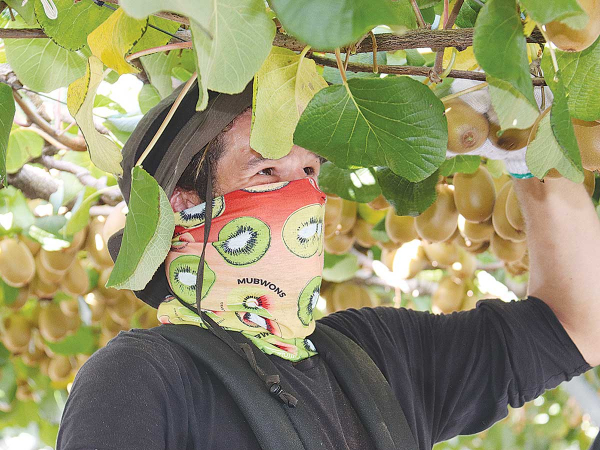 Wet weather and the late maturity of the fruit has slowed down this season's kiwifruit picking.
Kiwifruit is just too valuable not to be picked and despite the challenges of labour and weather, it will be picked.
That's the message from the Kiwifruit Growers organisation (NZKGI) chief executive Nikki Johnson, who says wet weather and the late maturity of the fruit has slowed down picking. She told Hort News that some employers are faring better than others, which is consistent with other years, and there are still vacancies across packhouse and orchard roles - particularly for nightshift and weekend work.
"While there is a shortage of seasonal labour, we are focused on ensuring that all kiwifruit will be picked and packed this season. A shortage of labour may mean that managers need to be more selective about when particular fruit gets picked and packed," Johnson says.
"People may also need to work longer shifts. However, the industry is extremely focused on ensuring that all kiwifruit is harvested. It is a high value crop, contributing around $2 billion to New Zealand's kiwifruit regions in 2020."
Johnson admits that the pandemic has made it harder because there are fewer backpackers coming through the country and fewer RSE workers from the Pacific Islands. But she's hopeful there will be enough local people available to pick the crop.
Johnson says, even before Covid, NZKGI had developed a long-term strategy to attract people into the industry. She claims the money is good, with packhouses paying the living wage and most orchards above that.
"Picking kiwifruit is very physical work and we are asking people to work for just three months and after that find another job.
"Some of the 23,000 pickers will go on and do winter pruning. That is quite a skilled role so not all the people who have worked with us in harvest will go onto pruning," she says.
Much has been said about introducing more automation into the kiwifruit industry, but Johnson says it is already being done in packhouses where two thirds of the labour force are based, but she says using automation to pick fruit is a different story.
"Kiwifruit is a very small industry internationally and there is a high capital cost to develop automation. You could spend $10 billion to develop an automatic picker, but the only place you are likely to sell this is NZ," she explains.
"Whereas with apples you have got the whole world to sell it to, so there are some unique challenges around kiwifruit and innovation."
Kiwifruit growers are watchful but remain optimistic as concerns around the potential effects of the El Niño weather pattern this season.
Where any worker in the kiwifruit industry is mistreated, we expect the authorities to take action.
More signs of a booming kiwifruit sector.
After delivering a strong financial year, rural trader PGG Wrightson says the coming months will depend on customer confidence and weather.
New Zealand growers have always adapted to changing conditions, but one challenge is steadily gaining ground across the horticulture sector: resistance.


Farmgate lamb prices are down by 8%, beef cattle by 4.5% and farm expenditure up by 4.2%.
Kiwifruit growers are watchful but remain optimistic as concerns around the potential effects of the El Niño weather pattern this season.
Almond hulls sourced from Australian orchards may have the potential to help New Zealand cows reduce emissions, boost milk yield and lower input costs.
Striking a balance between meeting the needs of industry to speed up approval time for products but on the other hand ensuring that risks are properly assessed.
Surprised, humbled and quite thrilled. That’s the reaction of James Allen, one of the founding partners and now chief executive of AgFirst, on being made a life member of the Institute of Rural Professionals.



OPINION: The same mainstream media muppets that brought you Jacindamania in 2017 have been flat out pimping for the Opportunities…
OPINION: Your old mate reckons the atrocious way farmers in the UK are treated by their lords and masters in…