
Keep tomatoes out of the fridge and taste the difference
It might be time to stop storing your tomatoes in the fridge, says one researcher.



 increase font size
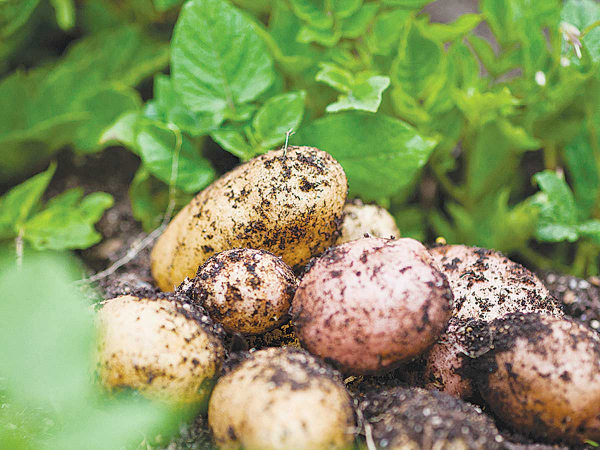 A new fungicide has recently been approved for use in New Zealand, subject to conditions.
A new fungicide has recently been approved for use in New Zealand, subject to conditions.
Xivana is intended to combat late blight in tomatoes and potatoes, as well as downy mildew in onions. The fungicide contains an active ingredient, new to New Zealand, called fluoxapiprolin.
The active ingredient targets oomycetes [similar, but technically separate from fungi] responsible for blight and downy mildew. It works by targeting a binding protein in the cellular membrane of oomycetes, inhibiting growth and preveting the transporting of sterol proteins and lipids, thereby preventing complex cells from forming.
Alongside the European Union and Australia, New Zealand’s Environmental Protection Authority (EPA) is among the first regulators in the world to consider an approval for this substance. An Australian public release summary found that fluoxapiprolin had little flammability or explosive concerns, little water solubility and no health objections when used as directed.
Xivana’s applicant, Bayer New Zealand Ltd, intends to import the product as a concentrate to be applied using ground-based or aerial methods.
Bayer’s EPA submissions shows the fungicide would always be manufactured overseas and arrive at warehouses in Auckland and Christchurch as a finished, packaged product ready for sale to professional users.
“Late blight is the most economically destructive disease of potatoes and outdoor tomato crops in this country; New options for controlling downy mildew are [also] desperately needed,” says Dr Chris Hill, general manager of the EPA’s hazardous substances group.
He says the EPA considers that the new active ingredient, fluoxapiprolin, represents a significant benefit, as it could provide an additional tool for growers that is less hazardous than most comparable fungicides currently available on the market.
Hill adds that with potato exports slowly rising in value and tomato and onion remaining steady, this makes any new advantage for growers highly welcome.
The EPA is responsible for regulating chemicals and other dangerous goods and substances under the Hazardous Substances and New Organisms Act.
“We put rules in place to manage the risks of hazardous substances and to safeguard people and the environment,” says Hill.
“In granting approval for Xivana, strict rules have been set for its use. These include a maximum of three uses [1,000 ml/ha per use] a year per crop, at a restricted amount. Use of new fungicide is also restricted to professional users in commercial settings.”
It might be time to stop storing your tomatoes in the fridge, says one researcher.
More locally grown tomatoes are coming to stores this month and you can thank New Zealand greenhouses for that.
Biosecurity New Zealand has placed import restrictions on tomato seed imports from Australia after the detection of tomato brown rugose fruit virus at two South Australian growing properties.
The cost of producing tomatoes is pushing smaller growers out of the industry.
Wattie’s says the latest tomato harvest season has seen some of the highest yielding tomato paddocks in the company’s 50-year history.


Waikato milk processor Tatua has again declared a record milk payout to farmer shareholders, leaving other processors in the dust.

A Labour-led Government won’t be bringing back the controversial freshwater rules of 2020.
National’s much-touted free trade deal with India featured in the Rural Issues Debate at Mystery Creek, Hamilton on Wednesday night.
New Zealand's 2026-27 freshwater fishing season has opened, with anglers encouraged to head to rivers and lakes over the coming days as conditions look favourable across much of the country.
Central Otago District Council (CODC) has voted against a plan to spread treated sewage sludge from Cromwell and Alexandra on farmland near Lauder, a decision Federated Farmers says reflects strong opposition from rural residents.
Pāmu has released its FY26 Integrated Annual Report, reporting a Net Operating Profit of $113 million, more than double the $49 million recorded in FY25.



OPINION: The same mainstream media muppets that brought you Jacindamania in 2017 have been flat out pimping for the Opportunities…
OPINION: Your old mate reckons the atrocious way farmers in the UK are treated by their lords and masters in…




