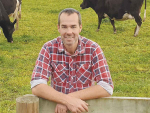
Cameron Henderson Reappointed Unopposed as DairyNZ Deputy Chair
DairyNZ deputy chair Cameron Henderson has been re-appointed unopposed for another term.




 increase font size
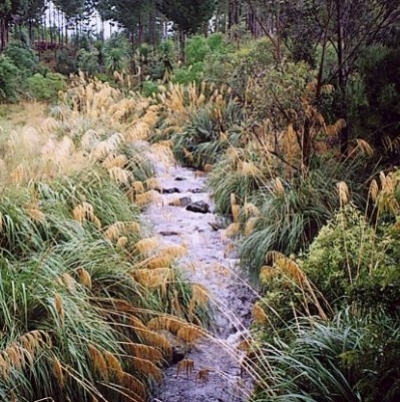
THE DAIRY industry is making good progress on protecting waterways on farm, according to a review.
A report on the first year of operation of the Sustainable Dairying: Water Accord has been released showing there has been good progress on key environmental actions including stock exclusion from waterways, effluent and riparian management and accreditation of expert advisers.
Some of the areas identified as needing more work by the industry are nutrient management data collection, effluent compliance in some regions and data collation and verification systems across all dairy companies.
The Water Accord is a voluntary dairy industry commitment to improving water quality, led by industry body DairyNZ, the Dairy Companies Association of New Zealand (DCANZ) and dairy companies.
A broader new Water Accord was launched in July 2013 involving all dairy companies, with a number of targets and commitments across the dairy sector.
DairyNZ's environmental policy manager Dr Mike Scarsbrook compiled the One Year On report with assistance from dairy company staff and other sector bodies.
Some of the key achievements highlighted in the report include:
"We've made meaningful progress in our first year of operation and we'd like to thank farmers for all the work they have done. There is still a lot more to do but there are lots of examples where farmers are making a real contribution to improving water quality," he says.
"We need to put a greater focus on nutrient management data collection at the farm level and on how to benchmark and deliver useful information back to farmers. The dairy companies are going to lead a review of how we collect information across the industry to ensure we can gather more data and lift the level of reporting from farms," says Scarsbrook.
"We're going to learn from this report and keep on improving. The big focus is on getting better collation and alignment of how we collect our industry data across the dairy companies for next year's report.
"We've achieved some but not all our targets for this first year so we need to keep working on all the initiatives we have underway. We've got new EnviroReady field days for farmers, a Warrant of Fitness programme for effluent systems and 15 local projects focused on waterways. We are committed to proactive environmental stewardship," he says.
DairyNZ deputy chair Cameron Henderson has been re-appointed unopposed for another term.
Tatua Co-operative Dairy Company has confirmed that chair and director Stephen Allen will retire at the co-operative's annual general meeting (AGM) on 3 December 2026, ending 30 years of service, including more than 20 years as Chair.
A new company set up to cultivate and supply seaweed for animal methane mitigation studies believes it could be a game changer for the dairy industry.
Wayne and Ange Moxham of Horowhenua have just been named as Fonterra's top organic performer for milksolids. As well as providing organic milk to Fonterra, the couple also sell Udderly Organic milk to more than 100 outlets in the region and are embarking on another exciting venture producing organic gelato. Reporter Peter Burke went along to see their farming operation.
Fonterra has reduced its forecast 2026/27 Farmgate Milk Price.


Converting a longstanding cropping farm to dairy was the only way to ensure the land stayed in the family long term, says new dairy farmer Rod May.

As the election heats up, Organics Aotearoa New Zealand (OANZ) has launched its election scorecard designed to help voters wanting to support policies that grow organic and New Zealand's organic sector.
A 'tsunami' of milk from key exporting countries is winding down and this may be good news for New Zealand dairy farmers.
Will the good times last? That's one of the key issues to come out of the latest Federated Farmers confidence survey.
Outgoing Fonterra Co-operative Council chair John Stevenson says that it has been a privilege to represent the co-op's farmer shareholders.
Have a plan in place for your cows and staff.




OPINION: The same mainstream media muppets that brought you Jacindamania in 2017 have been flat out pimping for the Opportunities…
OPINION: Your old mate reckons the atrocious way farmers in the UK are treated by their lords and masters in…




