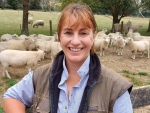
Mary Bowron Named Best Sheep and Beef Vet of the Year
B+LNZ's Wormwise veterinarian Mary Bowron has won the Best Sheep and Beef Vet of the Year Award in recognition of her outstanding contribution to New Zealand’s sheep and beef sector.




 increase font size
 Steve Merchant, chair of the NZVA's Antimicrobial Resistance Strategy Group.
Scientific innovations and reduced-antibiotic livestock systems could increase the value of the country's exports — with the right approach.
The report, commissioned by the New Zealand Veterinary Association (NZVA), says there are potential gains from addressing antibiotic resistance, and shows how this work would support three of the Government's six Business Growth Agenda (BGA) goals:
Export markets for higher-valued products
Innovation in agriculture and related sciences
Natural resources used in smart ways to support economic growth.
The NZVA recently announced 2030 as an aspirational target date for New Zealand to no longer need antibiotics for the maintenance of animal health and wellness. The NZVA asked PwC to assess the challenges and opportunities of achieving this goal.
Steve Merchant, chair of the NZVA's Antimicrobial Resistance Strategy Group says that a commitment to innovation in developing alternatives to antibiotics could foster world-leading capability in upstream and downstream industries.
"The most fundamental gain could be in future-proofing the supply chain to overseas markets. Concern about antibiotics and resistance is an emerging consumer issue that could affect market access and overseas regulation."
Merchant says the threats of antibiotic resistance are well recognised and have been publicised in several reports in the last few years, but less has been investigated about the opportunities for a country like New Zealand if it approaches the challenge creatively.
The report points out that New Zealand is in a good position to take up the opportunity of addressing antibiotic resistance, as one of the lowest users of antibiotics in the OECD. Key to this has been regulation, control by veterinarians of antibiotic prescriptions and dispensing, and the use of extensive agricultural systems.
"Antibiotics were a defining 20th century achievement and replacing them will be an important achievement of the 21st," says Merchant.
B+LNZ's Wormwise veterinarian Mary Bowron has won the Best Sheep and Beef Vet of the Year Award in recognition of her outstanding contribution to New Zealand’s sheep and beef sector.
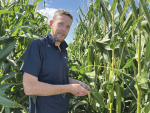
Four years since it was first detected in New Zealand, researchers and growers now know much more about management of maize pest fall armyworm (FAW).
Generative AI in the workplace, trials in the field, and industry-relevant research took centre stage at this year’s Grape Days events in Central Otago, Hawke’s Bay and Marlborough.
Equine veterinarians say horse owners need to stay alert and communicate with their vets following an outbreak of the highly contagious bacterial disease Strangles in the North Island.
Vets say they support the responsible use of virtual fencing and virtual herding technology for cattle and wants to work with farmers, manufacturers and government to help shape standards for future use backed by ongoing research to strengthen animal welfare outcomes.


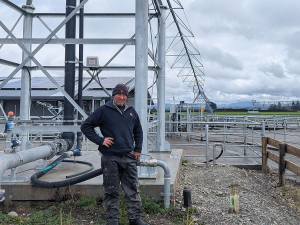
Converting a longstanding cropping farm to dairy was the only way to ensure the land stayed in the family long term, says new dairy farmer Rod May.

As the election heats up, Organics Aotearoa New Zealand (OANZ) has launched its election scorecard designed to help voters wanting to support policies that grow organic and New Zealand's organic sector.
A 'tsunami' of milk from key exporting countries is winding down and this may be good news for New Zealand dairy farmers.
Will the good times last? That's one of the key issues to come out of the latest Federated Farmers confidence survey.
Outgoing Fonterra Co-operative Council chair John Stevenson says that it has been a privilege to represent the co-op's farmer shareholders.
Have a plan in place for your cows and staff.




OPINION: The same mainstream media muppets that brought you Jacindamania in 2017 have been flat out pimping for the Opportunities…
OPINION: Your old mate reckons the atrocious way farmers in the UK are treated by their lords and masters in…




