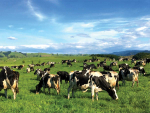
DairyNZ's Tracy Brown Flags El Nino Risk for Dairy Farms
Most dairy regions around the country have had a pretty good season so far says Tracy Brown.




 increase font size
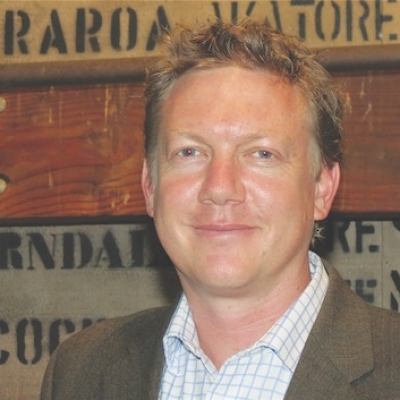 Landcorp chief Steven Carden
The exceptionally low milk price has dealt a blow to Landcorp, forcing it to post a half year profit to December 31, 2014 of just $1 million, down 92% on the same period in the previous year.
And the news is unlikely to get much better, given the effect the drought will have on the company’s profit in the next six months.
Chief executive Steven Carden told Rural News the net operating profit for the year to June 30 will be in the range $1m-$4m.
He says Landcorp has done its best to manage the fall in the milk price by taking advantage of guaranteed milk price contracts and by reining in costs going into the lower payout year.
“But you can’t easily offset a 45% fall in the milk price from a large part of your business and replace that through cost savings or revenue from other parts of the business. The better prices for sheep and especially beef helped offset some of the fall in revenue from dairy. But we needed almost a doubling of beef prices to have any sort of impact on the fall in dairy prices. Lamb prices have softened and it hasn’t been quite the strong year in lamb that we’d anticipated.”
Carden says Landcorp’s “diversified portfolio of species” gives it more incomes streams as it further diversifies. But its wide exposure to the dairy industry makes this hard.
The company seeks more fixed term contracts for red meat and the same for dairy to counter the volatility of the market.
It is looking at new target markets for existing products, e.g. milking sheep and deer leather. And it is selling coarse wool in partnership with Merino New Zealand.
“Since I came on board our strategy has been to move away from our concentration on dairy. Our big dairy development near Taupo is increasing our exposure so we’re working hard to find non-dairy opportunities. It’s slow progress… but in some new niche product areas we’re starting to get traction.
“We’re starting to reach the point with bovine dairy where there is a ‘glass ceiling’ in terms of the country’s ability to take much more of it.”
Landcorp has cut costs, Carden says, but is taking care not to make short term cuts that will need reversing further down the track. Restructuring Landcorp has been to make it more sustainable.
“We’ve moved to a totally different level of costs… looking again at how we apply fertiliser… being a lot more precise in our application.
“We’re now starting to use the information out of the farm management system to make smarter decisions about the quality of our herds and flocks and making sure we don’t waste feed. We’re constantly looking at costs in the head office and making sure everything we do in Wellington is adding value to our farms.”
Carden expects the next six months to be hard with the low milk price and the impact of the drought, but looking 12 months out he is more optimistic.
He believes the milk price will rise and prices for red meat will be relatively strong.
Most dairy regions around the country have had a pretty good season so far says Tracy Brown.

A partnership between state-owned enterprise Pāmu (Landcorp Farming Limited) and charity Meet the Need is putting more than quality New Zealand beef into food bank parcels this year.
State farmer Pamu has delivered its strongest operating result on record.
State farmer Pāmu (Landcorp) has announced it will pay a $10 million special dividend to the Crown off the back of a strong outlook for the business and a capital repayment of $9.5 million following Fonterra's consumer business sale.
Fonterra says its interim results show continued momentum in its performance, with revenue of $13.9 billion in the first half of the 2026 financial year.


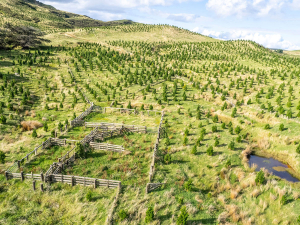
The New Zealand Institute of Forestry (NZIF) says unnecessary changes to New Zealand’s Emissions Trading Scheme (NZ ETS) will seriously erode investor confidence and result in significant reductions in forest planting rates.
For the first time in a quarter of a century, Federated Farmers has something positive to say about the Labour Party’s climate change policy leading into a general election.
A warning for New Zealand seed and grain companies – be prepared for an exodus of farmers from the arable sector.
Now in its fourth year, the 2026 Fencing Industry Awards, formed part of the proceedings of the FCANZ Conference, held in Nelson during August.
DairyNZ deputy chair Cameron Henderson has been re-appointed unopposed for another term.
OPINION: The stats speak for themselves.




OPINION: The same mainstream media muppets that brought you Jacindamania in 2017 have been flat out pimping for the Opportunities…
OPINION: Your old mate reckons the atrocious way farmers in the UK are treated by their lords and masters in…




