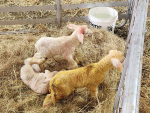
Beef + Lamb NZ's Lambing Kit Checklist for a Tough Season
With lambing underway in many regions, Beef + Lamb New Zealand is encouraging farmers to put together a wellequipped lambing kit to help minimise lamb losses, particularly in bad weather.




 increase font size

MANY SHEEP and beef farmers will need to arrange bank help to carry them through the drought, says Professor Keith Woodford, Lincoln University.
Woodford, professor of farm management and agribusiness, expects lambing percentages will be right down next season as a result of the drought.
“We’ve known for long time three things are really important to lambing percentage: one is genetics and there’s no doubt we have better genetics; second is the live weight of ewes at mating; third is whether the ewes are on a rising plain of nutrition.
“So if the ewe is gaining live weight at the time she’s mated then she’s much more likely to give a multiple ovulation. I can’t put numbers on it at this stage…. I would expect the lambing percentage in August-September to be down quite a lot. Having said that, the rams aren’t there yet and a lot depends on what happens over the next month.”
Looking at our sheepmeat markets, Woodford says if wasn’t for China, New Zealand would be in a mess. The Kiwi dollar’s strength against the Euro and the pound sterling is impacting farms, depressing returns to New Zealand farmers from European markets.
“[But the] sheepmeat market in China has been growing incredibly rapidly, more due to good luck than good management on our part; it’s not demand we’ve created, it’s a demand the Chinese have created.”
Woodford says China by volume is now our biggest market for lamb – a market for cuts once a bit difficult to sell.
With lambing underway in many regions, Beef + Lamb New Zealand is encouraging farmers to put together a wellequipped lambing kit to help minimise lamb losses, particularly in bad weather.
Will a stronger, more coordinated voice help rebuild confidence and improve returns in the wool sector?
China remains New Zealand’s biggest market, taking $23 billion of our exports, but it’s no longer a commodity story, says Prime Minister Christopher Luxon.
Fonterra is strengthening its foodservice presence in China with the launch of a new cream for professional bakeries at Bakery China 2026 in Shanghai.
OPINION: What does the birth rate in China have to do with stock trading? Just ask a2 Milk Company.


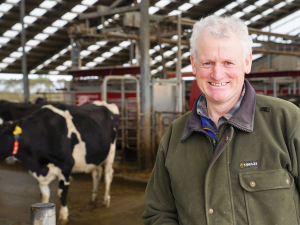
In Dacre, near Invercargill in New Zealand’s South Island, Bruce Dinnington is running a dairy operation unlike any other.

A free online platform aggregating governance vacancies across rural and regional New Zealand has been launched.
Environment Minister Nicola Grigg has announced details of a new rural plastics recycling scheme.
Agricultural drone operators say that a government decision to allow lower-risk drone work without certification won’t lower standards but drive innovation and efficiency.
OPINION: Warning bells are ringing in the arable sector.
Farmgate lamb prices are down by 8%, beef cattle by 4.5% and farm expenditure up by 4.2%.

OPINION: The same mainstream media muppets that brought you Jacindamania in 2017 have been flat out pimping for the Opportunities…
OPINION: Your old mate reckons the atrocious way farmers in the UK are treated by their lords and masters in…




