Lanaco and Blueair Launch World-First NZ Wool Air Filter
New Zealand wool is reaching new heights as air filtration companies move away from synthetic products to biodegradable alternatives.



 increase font size
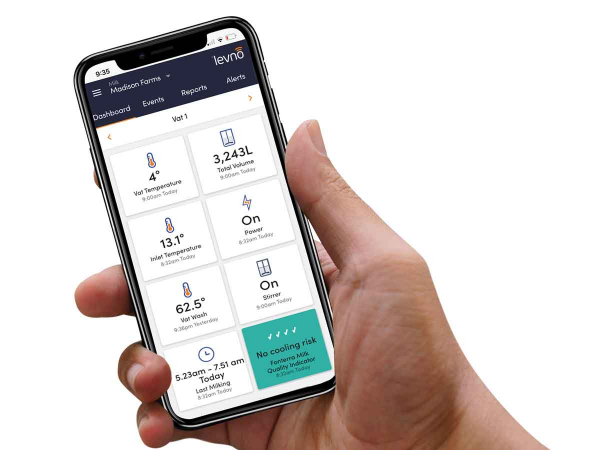 Levno milk dashboard.
Two New Zealand agribusinesses are partnering up in the name of quality milk.
Dairy hygiene and animal health supplier, FIL, and provider of on-farm monitoring and milk vat monitoring systems, Levno, are working together to improve farmers’ visibility and dairy hygiene in their farming operation.
Customers will be able to use Levno’s milk vat monitoring system to provide data and analytics to FIL. The partnership will make use of Levno analytics to detect and prevent milk quality issues before they occur, ultimately saving farmers time and money.
“As firm believers in the old saying ‘prevention is better than cure’, teaming up with Levno will enable us to detect and diagnose potential issues in our customers’ milking systems before they become problems,” says FIL national sales manager Bede Murphy.
“Having access to real-time information about their milk vat, our farming customers will feel empowered to understand what is happening on their farm. And being able to see this data from a mobile, whether you’re on the farm or not, is key to making timely decisions that will help farmers see better results and maximise milk return.”
The partnership will allow Levno and FIL to continue research and development on the milk vat monitoring system to monitor the entirety of the milking system.
FIL is encouraging their customers to get Levno’s milk vat monitoring system (MVMS), which is free to all Fonterra suppliers.
Fonterra’s MVMS rollout is a national project where the co-op will pay for all its suppliers to have a milk monitoring system.
Fonterra will get limited access to some of the data from the MVMS. This will improve transportation and milk quality for Fonterra creating significant savings for the co-op.
“Levno’s milk vat monitoring lets farmers know when they have issues with their vats, like power outages and refrigeration problems. These improvements and this partnership with allow FIL to diagnose issues before the problem even occurs,” says Levno chief executive Larry Ellison.
New Zealand wool is reaching new heights as air filtration companies move away from synthetic products to biodegradable alternatives.

Generative AI in the workplace, trials in the field, and industry-relevant research took centre stage at this year’s Grape Days events in Central Otago, Hawke’s Bay and Marlborough.
Virtual fencing company Halter is going global but for founder Craig Piggott, New Zealand farmers will always remain their main partners.
Use of agricultural drones by contractors in New Zealand is soaring.
OPINION: New technologies can promise the world but how do we know if they are delivering?


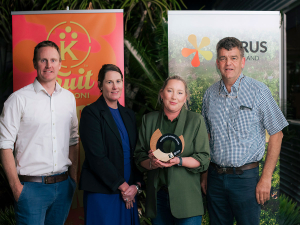
New Zealand's citrus growers were challenged to build their future on the value embedded in their fruit rather than the volume they produce, at Citrus New Zealand's annual gathering in Gisborne on 17 September.
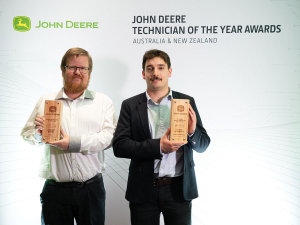
Leading John Deere technicians and apprentices from New Zealand and Australians were recognised at the recent sixth annual JD Technician of the Year Awards, held in Brisbane.
In Dacre, near Invercargill in New Zealand’s South Island, Bruce Dinnington is running a dairy operation unlike any other.
A free online platform aggregating governance vacancies across rural and regional New Zealand has been launched.
Environment Minister Nicola Grigg has announced details of a new rural plastics recycling scheme.
Agricultural drone operators say that a government decision to allow lower-risk drone work without certification won’t lower standards but drive innovation and efficiency.




