BVD Control Begins Long Before You See A Problem
Bovine Viral Diarrhoea (BVD) is sometimes viewed as a dairy industry issue, but the reality is that the disease can have serious consequences for beef breeding herds as well.




 increase font size
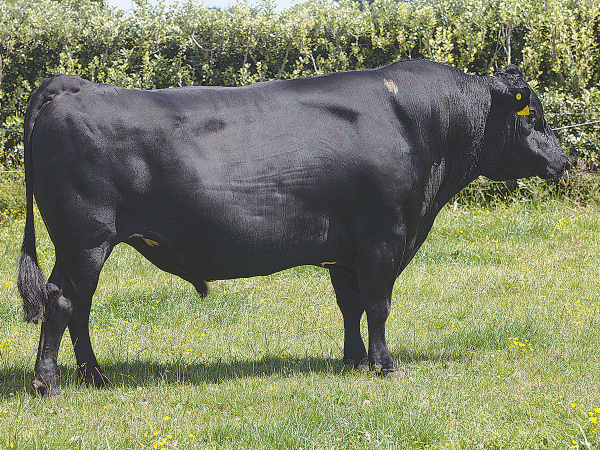 KiwiCross artificial breeding bull, Priests Sierra, has been inducted into LIC’s Hall of Fame for his significant contribution to New Zealand’s dairy industry.
A 12-year-old bull with over 150,000 daughters has been inducted into an elite animal ‘Hall of Fame’ for his outstanding contribution to dairy herd improvement in New Zealand.
Well known to farmers for fathering dairy cows with high production and good fertility, Priests Sierra is the latest artificial breeding bull to enter farmer-owned co-operative LIC’s prestigious Hall of Fame, which dates back to the 1950s.
The respected accolade is reserved exclusively for bulls that have had, and will continue to have, a profound influence across the New Zealand dairy industry, and are in a class of their own.
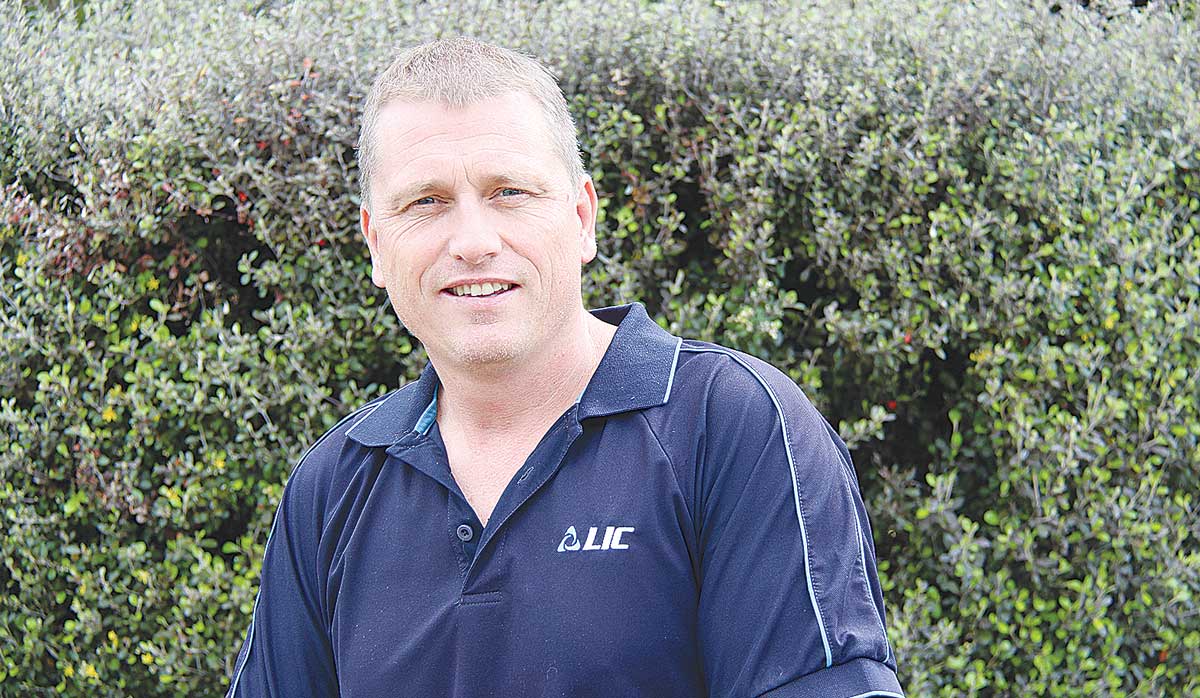
LIC livestock selection manager Simon Worth says Sierra has had a significant impact in helping to improve the production efficiency of New Zealand’s national dairy herd.
“Breeding the best cows faster is key to helping farmers solve the challenge of being profitable and sustainable and it’s elite bulls like Sierra that are helping farmers do exactly that.”
Known for his high genetic merit (Breeding Worth), Priests Sierra was part of LIC’s Premier Sires artificial breeding bull team for eight years – a record jointly held with just one other bull.
Worth says securing a place in one of the co-op’s renowned Premier Sires bull teams is no easy feat and rightly so, as the bulls that make up these teams are responsible for siring up to 75% of New Zealand’s national dairy herd.
 |
|---|
|
The Bassett’s young cows wait to be shifted onto a winter kale crop. |
“There’s a lot of boxes a bull needs to tick to earn a spot in one of our teams and they can be quickly superseded by the next generation of elite young bulls from our breeding programme, so for Sierra to have a place on the team for eight years on the trot is extremely impressive.”
Worth says Priests Sierra, who was bred by Waikato farmer Rowan Priest, has been a favourite through the breeding programme, with eight of his sons also making the cut to join LIC’s Premier Sires bull team.
“The offspring Sierra generates tick many boxes for farmers including more dollars in the bank and a lower environmental footprint.
“It is fantastic to see so many of his daughters, sons and grandsons continuing his legacy and contributing to the next generation too.”
His induction into the Hall of Fame was announced to some of the country’s top bull breeders who gathered in Hamilton for LIC’s Breeders’ Day event.
Farmers from across New Zealand were invited to attend the annual event to celebrate their contribution to the dairy industry by breeding a bull worthy of joining one of LIC’s Premier Sires bull teams the year before.
Bovine Viral Diarrhoea (BVD) is sometimes viewed as a dairy industry issue, but the reality is that the disease can have serious consequences for beef breeding herds as well.

Animal health company Bovonic is gearing up for its next stage of growth after increasing New Zealand sales of QuadSense by more than 50% in the last 12 months, including a record quarter for the business this year.
With lambing underway in many regions, Beef + Lamb New Zealand is encouraging farmers to put together a wellequipped lambing kit to help minimise lamb losses, particularly in bad weather.
Bovine Viral Diarrhoea (BVD) remains one of the most significant infectious diseases affecting New Zealand dairy herds.
Farmers can spend less time on paperwork, thanks to a new data sharing agreement between DairyNZ’s DairyBase and LIC’s MINDA software.


New Zealand's citrus growers were challenged to build their future on the value embedded in their fruit rather than the volume they produce, at Citrus New Zealand's annual gathering in Gisborne on 17 September.
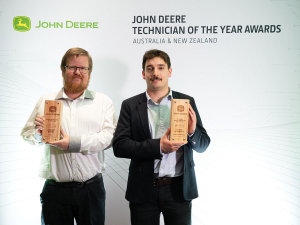
Leading John Deere technicians and apprentices from New Zealand and Australians were recognised at the recent sixth annual JD Technician of the Year Awards, held in Brisbane.
In Dacre, near Invercargill in New Zealand’s South Island, Bruce Dinnington is running a dairy operation unlike any other.
A free online platform aggregating governance vacancies across rural and regional New Zealand has been launched.
Environment Minister Nicola Grigg has announced details of a new rural plastics recycling scheme.
Agricultural drone operators say that a government decision to allow lower-risk drone work without certification won’t lower standards but drive innovation and efficiency.

OPINION: It seems Canterbury processor Synlait is still in the doldrums.
OPINION: Get offside with New Zealand First leader Winston Peters at your own peril.




