Boosting Crop Production by Spreading Effluent
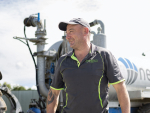
Tararua district farmer Jamie Harris milks around 400 cows using a split calving system on his farm, Crossdale Dairies.




 increase font size
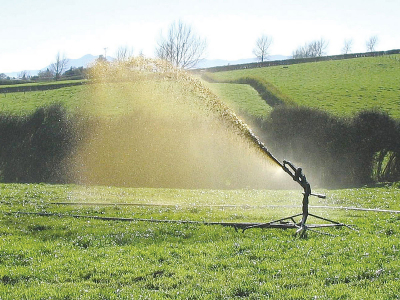 Spreading effluent solids requires specialist machinery suited to the type of effluent being spread.
Good effluent management combines a well-designed effluent system with processes for collecting effluent and applying it to pasture in the right quantities at the right time.
Onfarm benefits of good management include:
- Fertiliser savings
- Improved soil condition
- Prevention of animal health issues
- Compliance with council rules or resource consent.
The key to good decisionmaking is understanding the soil water deficit as essential to prevent ponding and run-off and to avoid applying effluent to saturated soils.
Soil water deficit is the amount of effluent which can be applied to the soil before it reaches field capacity (the amount of water held in the soil after excess water has drained away). If effluent is added at field capacity it will likely result in ponding, runoff or leaching.
The average dairy cow produces about $25 worth of nutrients annually as farm dairy effluent (FDE), according to DairyNZ.
For a 400 cow dairy herd this represents about $10,000 of nutrients annually. Using these FDE nutrients effectively will greatly reduce the fertiliser bill.
Spreading effluent solids requires specialist machinery suited to the type of effluent being spread.
Using a local contractor to spread the effluent solids may be an option. Alternatively, you can hire or buy machinery to do it yourself. Vehicle spreading provides the flexibility to apply effluent in areas where the effluent irrigation system cannot reach. It can also be used for a nutrient boost prior to sowing a crop or applied on silage and hay paddocks.
Tararua district farmer Jamie Harris milks around 400 cows using a split calving system on his farm, Crossdale Dairies.
Water management is an integral component of sustainable farming practices, according to Watermetrics.
Two farmers and two farming companies were recently convicted and fined a total of $108,000 for environmental offending.
A Taupiri farming company has been convicted and fined $52,500 in the Hamilton District Court for the unlawful discharge of dairy effluent into the environment.
Founded in Germany as recently as 1977, today, the Fliegl Group employs more than 1100 workers, offering an expansive range of transport solutions, from their base in Bavaria.


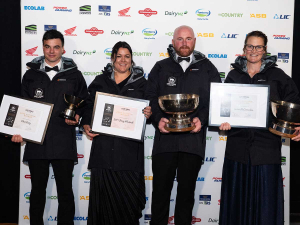
Entries opened on Monday, 5 October 2026 for the 2027 New Zealand Dairy Industry Awards (NZDIA), which organisers describe as the nation's biggest celebration of excellence in the dairy sector.
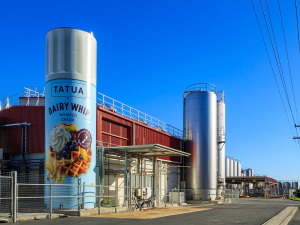
Waikato milk processor Tatua has again declared a record milk payout to farmer shareholders, leaving other processors in the dust.
A Labour-led Government won’t be bringing back the controversial freshwater rules of 2020.
National’s much-touted free trade deal with India featured in the Rural Issues Debate at Mystery Creek, Hamilton on Wednesday night.
New Zealand's 2026-27 freshwater fishing season has opened, with anglers encouraged to head to rivers and lakes over the coming days as conditions look favourable across much of the country.
Central Otago District Council (CODC) has voted against a plan to spread treated sewage sludge from Cromwell and Alexandra on farmland near Lauder, a decision Federated Farmers says reflects strong opposition from rural residents.

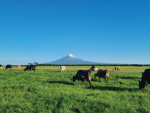


OPINION: It seems Canterbury processor Synlait is still in the doldrums.
OPINION: Get offside with New Zealand First leader Winston Peters at your own peril.




