New Zealand Apples and Pears is working on a near $15 million project to achieve the industry's goal of being a global leader in sustainable production practices.
The project is funded 50-50 by Apples and Pears and the Government through the MPI sustainable food and fibre futures fund (SFF futures). MPI claims the SFF programme is designed to protect NZ's high value market share and future growth prospects.
New Zealand Apples and Pears research and development manager Rachel Kilmister says NZ exports fruit to 80 markets worldwide, all of whom have different rules, and the aim is to be able to meet all these requirements.
"We are recognised globally as world leaders in producing safe and sustainable food, but we want to continue to be innovative and to improve on how we do that," Kilmister told Hort News. "There are more and more challenges coming from offshore around growing more sustainably, in terms of meeting climate change challenges, so we are constantly trying to demonstrate how we are doing that."
Kilmister says there is a challenge in meeting overseas chemical requirements while, at the same time, meeting phytosanitary requirements to keep export fruit free from pests and diseases that will run afoul of importing countries' biosecurity regulations.
"It's about how we can reduce the amount of agrichemicals we spray, how we can be more sustainable and thinking about what are the tools and technologies that we can use to improve things so that we are not so reliant on agrichemicals."
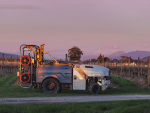
"For example, it's about breeding new varieties of apples that are more pest and disease resistant and looking at new technologies to ensure spraying is more targeted, as well as looking for products that are potentially residue free."
Kilmister says the aim is to reduce reliance on ag chemicals, while at the same time achieving the same outcomes. One of the problems NZ faces, she says, is that some of the sprays that are more efficient are simply not available in NZ.
Kilmister says this is because our market is so small and the large overseas companies won't register their products here because it is not cost effective for them to do so.
Biological Control
One area Apples and Pears are working on is biological controls within orchards.
This involves ensuring there is a ready supply of 'good' bugs that will eat the bad ones and minimise pests and disease.
"Things we are doing now, aimed at reducing the sprays, is what we call mating disruption," Kilmister explains.
Kilmister told Hort News that the role of Apples and Pears in the programme is mainly project management. The actual trial work is done on contract by others including Plant and Food Research and in some cases done on commercial orchards.
She says research orchards are used when trialling products that are not yet registered and therefore could impact on a commercial crop. But she adds that some work is done on commercial orchards as part of the technology transfer element in the programme.
Kilmister adds that they work with 'early adopters' and once the trial is complete and proven, Apples and Pears then takes on the role of running extension programmes to encourage other growers to use the new technologies.
NZ's Apple and Pear exports are expected to be worth more than $1 billion by 2030.