Efficient Irrigation Improves Pasture Productivity
Increased competition for water means the whole community is looking at how irrigators use water.



 increase font size
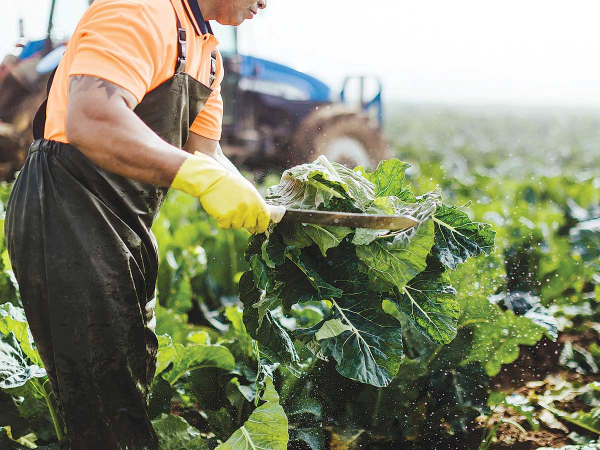 Irrigation is essential in growing high yielding quality produce.
Irrigation is essential in growing high yielding quality produce.
Too much watering can cause disease and nutrient washout and wasted pumping costs. Too little watering, particularly with shallow rooting plants, causes stress which is difficult to catch up.
Watermetrics agronomist Richard Campion explains...
Specific crops require different watering.
Kiwifruit damaged by dry periods can have leaf wilt, which results in smaller fruit and reduced yields next season. Conversely, wet feet will mean reduced roots, which lower yields and quality.
However, irrigation can increase fruit size prior to harvest, but it needs to be done with care as overdoing it can reduce dry matter.
Vineyards respond to specific watering. You can target bulk yield if that’s what you are after or you can aim for consistent, quality fruit size. We are finding that correct moisture in late winter, well before budburst, enhances performance – something most don’t think about because the plant is dormant.
Leafy greens with shallow roots need constant water or the quality goes. Fruiting crops need irrigation at flowering and fruit development. Tomatoes, capsicum, eggplants have very high ETO and require constant irrigation.
Irrigation management is a juggle of crop type and stage, crop quality targets, soil type, water supply, weather and irrigation equipment.
I have met farmers with years of experience that go out and grab a handful of soil and by squeezing it, tell if it needs to water. Fair enough, but you can do better.
To do better you need accurate, timely data. You can set targets to suit crop stages with things you can control.
You cannot control weather. But you can record it and obtain quite accurate forecasts. Knowing the amount of rain is important to the next watering decision. District forecasts are often not the same as what goes on in your paddock, so an on-farm weather station is an asset.
Many irrigation systems either don’t record or say X number of litres went out. But you really need to know exactly what has gone on in an irrigation. Metering and control panels show this and record it.
Knowing the moisture in your soil to a good depth is so important in irrigation decisions. The more we observe the more confident we are that you can save water and still get more growth.
You can’t do that without knowing what’s going on in the soil at all levels. Gaining knowledge and understanding of what the best moisture levels are in your soil, means you can ensure that you are in the best position to get the best growth and take account of seasonal changes.
A serious soil probe provides this information. This should be movable, measure soil temperature as well as moisture, and record in short intervals. Measure at 100mm intervals down to at least 500mm. Seeing what is happening at each level is important.
You can set specific targets in different zones for each crop stage. Decisions are made earlier because you can see where things are going.
There is not much point in applying nutrients to a crop and then washing them out. A good probe allows you to see the effect of a rainfall or irrigation event. It also shows environmental auditors how you have managed this aspect.
The market is full of very ordinary probes – some that have to be dug in and others that give pretty poor information. They do not represent a sound investment.
Things like signal cost, frequency of reading, accuracy of probe placement and verification of correct data are important.
When making decisions around what equipment to buy, or how to use the data for management purposes talk to our agronomy team to bounce round some ideas.
Increased competition for water means the whole community is looking at how irrigators use water.
Moves are afoot to get a team of Australians over here to help repair North Canterbury's irrigation machinery, ravaged by the big windstorm of late October.
Horticulture New Zealand (HortNZ) says access to reliable irrigation water is essential for a thriving horticultural sector.
A 100-year-old Canadian irrigation district has taken inspiration from Canterbury irrigation company Central Plains Water's success in converting from an open race irrigation system to a gravity-fed piped system.
Effluent is a valuable source of nutrients.



Celebrating 50 years in the rural landscape of Central Canterbury and beyond, Ashburton-based Carrfields, has been the exemplar for all aspects of modern agriculture via its extensive range of services including supply, growing, agronomic advice and marketing.

For Taupiri dairy farmers Logan and Sian Dawson, their involvement in the NZ Dairy Industry Awards has been a key catalyst in the growth of their business - the experience helping shape how they approach the farm ownership pathway they are pursuing today.
West Otago dairy farmer Luke Kane has been awarded the 2026 Rabobank Dr John Morris Business Development Prize.
OPINION: As the general election approaches, political parties are churning out policies in the hope of attracting more votes.
An LIC bull, Tronnoco AR Sadio-ET S3F, bred by Tony and Keri O'Connor of Tronnoco Farming Co Ltd near Timaru, has won the 2026 Mahoe Trophy.
With forecasters advising El Niño conditions will develop through winter and strengthen into spring and summer, Ballance Agri-Nutrients is encouraging farmers and growers to think ahead about nutrient planning and be prepared to work around challenging weather conditions.



OPINION: The same mainstream media muppets that brought you Jacindamania in 2017 have been flat out pimping for the Opportunities…
OPINION: Your old mate reckons the atrocious way farmers in the UK are treated by their lords and masters in…