NZKGI Responds to Migrant Worker Exploitation Reports
Where any worker in the kiwifruit industry is mistreated, we expect the authorities to take action.



 increase font size
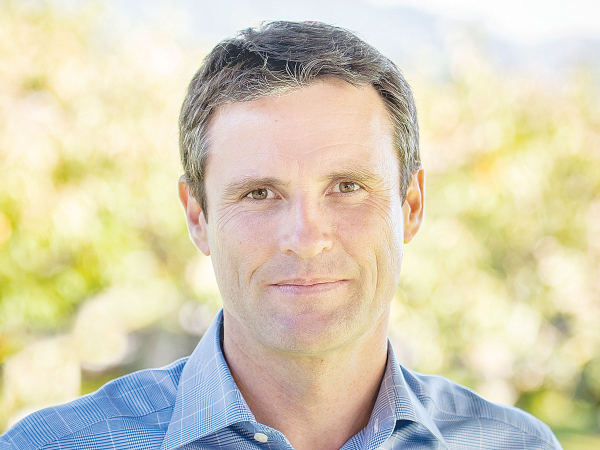 Zespri chief executive Dan Mathieson.
Zespri chief executive Dan Mathieson says its 2022/23 financial results, released yesterday, reflect a challenging period for the kiwifruit industry.
The kiwifruit marketer and exporter’s grower returns are down on the back of a combination of fruit quality issues primarily driven by the industry’s severe labour shortage, cost increases, and supply chain challenges.
The scale of quality costs, which increased from $307 million in 2021/22 to $534 million in 2022/23, along with increasing demand and stronger pricing in the market, are illustrative of the opportunity the industry must secure greater value and the importance of the current focus on addressing quality concerns and supply chain challenges.
Zespri recorded total global fruit sales revenue of N$3.92 billion in 2022/23, down 3% on the record result of 2021/22, with global sales volumes down from 201.5 million trays to 183.5 million trays.
Mathieson says the results are indicative of a very difficult period for many primary industries, with growers facing challenges related to the labour shortage, the ongoing impacts of Covid-19, the climate, and rising costs.
“This was one of our toughest-ever seasons and the industry worked incredibly hard to deliver our fruit to market, despite facing an extraordinary number of challenges including a significant labour shortage,” he says.
“We continued to see strong demand and pricing in market and secured more than $100 million in savings via our foreign exchange hedging policy,” he says. “However, quality costs have significantly impacted grower returns which have dropped from the highs recorded in recent seasons.”
Mathieson says that the results illustrate the importance of the industry’s efforts to improve quality, still a key driver in delivering stronger returns in future years.
“We know this is a challenging period for growers, particularly Green growers, given the fact we also have lower volumes of fruit in the 2023/24 season,” he says.
“The investment we’ve made in building consumer demand and a world-leading fruit brand, alongside our long-term customer and supply chain relationships, means we’re well-placed to get back on track and increase the value we can deliver back to growers, the industry and New Zealand communities.”
He says that reduced quality costs will be central to that investment, adding that the industry is working hard across the supply chain to ensure it is delivering consistently good quality fruit to consumers in 2023/24 and beyond.
“While conditions remain challenging, the first shipments of the 2023/24 season have been well received by our customers, indicating initiatives from the industry’s Quality Action Plan are helping reduce quality costs and keeping poorer quality fruit onshore.”
“Our industry has a proven track record of being able to address challenges by working together and with a strong demand outlook, we remain encouraged by the opportunity for the industry to deliver greater value for growers and our stakeholders in the years ahead,” Mathieson says.
Where any worker in the kiwifruit industry is mistreated, we expect the authorities to take action.

Kiwifruit growers are watchful but remain optimistic as concerns around the potential effects of the El Niño weather pattern this season.
More signs of a booming kiwifruit sector.
After delivering a strong financial year, rural trader PGG Wrightson says the coming months will depend on customer confidence and weather.
New Zealand growers have always adapted to changing conditions, but one challenge is steadily gaining ground across the horticulture sector: resistance.


Synlait has swung to second-half profit as operations stabilise, but the dairy processor still posted a $75.4m annual loss.

LIC shareholders have elected a new North Island representative to the co-operative's Board, along with five representatives to its Shareholder Reference Group (SRG), following the company's Annual Meeting held in Invercargill.
Farmers across parts of Southland and South Otago are continuing to deal with difficult conditions after a prolonged run of wet weather, with pressure building around feed supply, stock management, pasture damage, farm infrastructure and everyday workloads.
Federated Farmers says it welcomes Labour's commitment to reviewing the Sharemilking Agreements Act, calling on other major parties to do the same.
For Canterbury dairy farmers Sian Meijer and Rick Wobben, wearable technology has become one of their most valuable on-farm tools - helping manage 1850 cows across an expansive, high-performing dairy operation while improving efficiency, mating outcomes and day-to-day decision making.
Fonterra has unveiled its annual results for the 2026 financial year, posting $27 billion in revenue and close to $20 billion returned to New Zealand farmer owners and unit holders.


OPINION: The same mainstream media muppets that brought you Jacindamania in 2017 have been flat out pimping for the Opportunities…
OPINION: Your old mate reckons the atrocious way farmers in the UK are treated by their lords and masters in…




