
NZ's avocado sector set up well for the future
Outgoing chief executive of New Zealand Avocado, Jen Scoular believes the sector is well set up despite a challenging environment for growers around the globe.



 increase font size
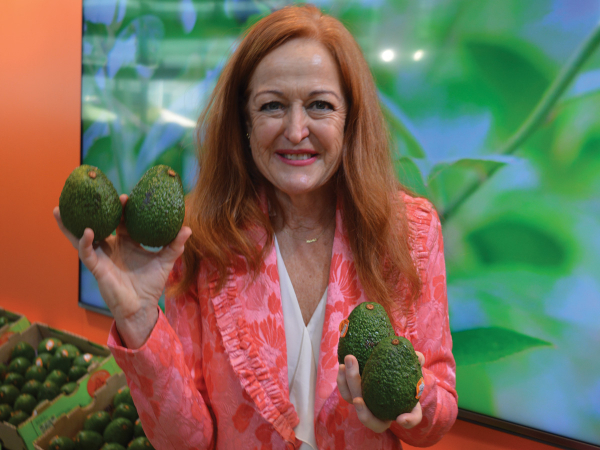 Last week's 10th World Avocado Congress was a great opportunity to showcase NZ's agriculture sector to the world, says NZ Avocado chief executive Jen Scoular.
New Zealand may only produce 2% of the world avocado crop but the sector is a key part of our horticulture sector.
Jen Scoular, president of the World Avocado Congress Committee and chief executive of New Zealand Avocado, says last week's Avocado Congress held in Auckland offered an unprecedented opportunity to promote NZ's avocado industry to the world.
"Though we only produce about 2% of the global avocado supply and we're the ninth largest avocado exporter in the world, avocados are NZ's third largest horticulture export behind kiwifruit and apples," she told Hort News. "We play a significant part in the country's horticulture industry."
Last week's congress attached 1,100 delegates, including 750 overeas delegates made up of growers, scientists, researchers, marketers, retailers, tech innovators, and investors.
Scoular says many were visiting New Zealand for the first time.
Overseas delegates toured eight locations, including sites in Glenbrook, Tapora, Whangarei and the Bay of Plenty to get a taste of NZ avocado and orchards.
Scoular says given the unprecedented weather in NZ, which has raised food security concerns for parts of our priary sectors, the topics explored at the congress were relevant for all Kiwis.
"It was incredibly timely to hear experts talk about the future of food, climate change and the global impacts on horticulture," she says. "It's been a tough few years for kiwi growers and the whole industry has faced ongoing challenges with the supply chain and rising costs of production."
The World Avocado Congress is held every four years, with previous events hosted in Colombia, Peru, Australia and Chile.
The theme for the 2023 Congress was 'Respectful: respect for people, respect for the environment and respect for our future'.
"Respect for people and land plays a special part in Aotearoa New Zealand's cultural identity and, as the global avocado industry continues to evolve, respect must be at the heart of this growth," says Scoular.
Outgoing chief executive of New Zealand Avocado, Jen Scoular believes the sector is well set up despite a challenging environment for growers around the globe.

NZ Avocado Growers Association chief executive Jen Scoular will step down in August after serving 12 years in the role.
NZ Avocado Growers Association chief executive Jen Scoular will step down in August after serving 12 years in the role.
New Zealanders are being urged to eat more avocados and support local growers.
Imagine a world where your diagnosis is treated by what's on your plate, not by what's in a pill.


Safer Farms is urging farmers to make sure everyone working on farm has safe, suitable footwear for the job.
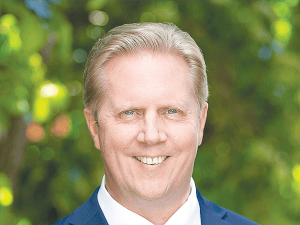
The Government is backing work on a community-led water storage scheme that could irrigate up to 11,000 more hectares of the Poverty Bay flats, Agriculture Minister Todd McClay says.
Agri-tech company Herd-i has become a new all-region sponsor of the New Zealand Dairy Industry Awards (NZDIA), the largest nationwide celebration of excellence in the dairy sector.
Four candidates have been confirmed for two director positions on Fonterra’s board.
Returning to the family dairy farm after playing 20 years of professional rugby around the world is no easy task.
After delivering another record farmgate milk price to 100 supplying farms, independent milk processor Tatua is entering thee new financial year with a positive outlook.

OPINION: The same mainstream media muppets that brought you Jacindamania in 2017 have been flat out pimping for the Opportunities…
OPINION: Your old mate reckons the atrocious way farmers in the UK are treated by their lords and masters in…




