
Pork Remains Among NZ's Most Affordable Meats: Stats NZ
As the cost-of-living crisis continues to put pressure on household grocery budgets, new figures show pork remains one of the most affordable fresh meat options for New Zealand families.



 increase font size
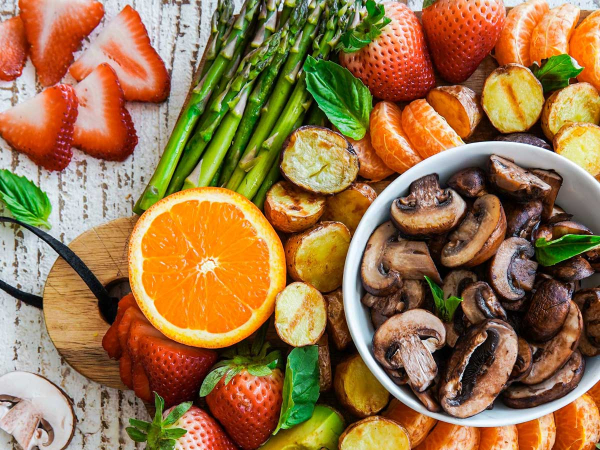 In the 12 months to July 2024, prices for fruit and vegetables fell 8.5% according to the latest figures released by Stats NZ.
Spring is the perfect time to re-set your eating habits and colourful in-season fruit and vegetables are the key to success, offering unbeatable value.
In the 12 months to July 2024, prices for fruit and vegetables fell 8.5% according to the latest figures released by Stats NZ – and improving affordability has come at just the right time. Eating plenty of spring produce can help boost your energy levels and improve overall wellness as they’re packed with essential vitamins and minerals.
5+ A Day trustee and principal scientist and team leader at Plant and Food Research, Dr Carolyn Lister, says now is good opportunity to shift to healthier eating patterns after winter.
“The availability and plentiful supply of fresh fruit and vegetables at this time of year certainly makes it easier, and there are some tasty ways to incorporate seasonal produce into your breakfast, lunch or dinner routine.”
New season potatoes are delicious and available from September onwards.
“Many people underestimate the nutritional value of potatoes. It is all about the way they are cooked so keep the skin on and avoid cooking methods that add oil. Potatoes provide plenty of vitamin C and potassium, along with some B vitamins. They can also be a source of iron, especially important for vegetarians.”
Asparagus is a source of a number of B vitamins along with vitamin C. “You can add lightly steamed and blanched asparagus to salads,” Dr Lister suggests.
“The addition of avocado alongside it will provide healthy fats to also help you absorb some of the phytonutrients. One of my favourite spring lunches is an avocado, asparagus and strawberry salad with either feta or some canned tuna to add some extra protein.”
Mushrooms are nutrient dense and readily available in spring. They are a source of many B vitamins but most importantly are a source of selenium which is often low in crops grown in New Zealand. “Selenium is important for antioxidant defences and keeping the immune system working, as well as for healthy hair and nails. Mushrooms make a great addition to many dishes including stir fries which are a great healthy, quick dinner as the weather warms up,” Lister says.
Grapefruit are an easy breakfast option and are packed with vitamin C to help keep your immune system healthy. “Afourer mandarins and tangelos are also good sources of vitamin C and make a handy snack on the go when you are out enjoying the spring sunshine.” Two mandarins can provide up to 178% of your daily vitamin C needs to support immunity and deliver a whole range of other health benefits. Citrus contains essential nutrients like folate and potassium as well as soluble fibre which feeds good gut bacteria and helps to lower cholesterol.
Meanwhile, early season strawberries are starting to appear on supermarket shelves and by November, many New Zealanders will be devouring them. “They’re a terrific snack at any time of day, and eating them just helps lift your mood.”
Strawberries are a good source of vitamin C and a source of potassium, folate, niacin and dietary fibre. Research has shown that eating strawberries daily can improve cognitive function, lower blood pressure and increase your antioxidant capacity. For a quick healthy breakfast, try spreading some peanut butter on grainy toast and top with sliced strawberries.
Other spring recipe ideas include a roasted asparagus and broccoli salad, serving smashed potatoes with slices of avocado, or whipping up a light and colourful strawberry, basil and mozzarella salad to impress family and friends.
“If you want to shrug off winter and embrace a fresh start, then including fresh fruit and vegetables in your daily diet is a great way to refresh and revitalise yourself both mentally and physically,” says Lister.
As the cost-of-living crisis continues to put pressure on household grocery budgets, new figures show pork remains one of the most affordable fresh meat options for New Zealand families.
OPINION: In the 1980s, concern was expressed in West Germany about the falling birth rate. Some simple analysis was performed by Professor Helmut Sies, physician and biochemist at Dusseldorf University. His letter ‘A new parameter for sex education’ was published in Nature in 1988:
The 5+ A Day Charitable Trust has launched a collection of affordable recipes designed to turn everyday vegetables into seasonal stars.
OPINION: According to media reports, the eye-watering price of butter has prompted Finance Minister Nicola Willis to ask for a 'please explain' from her former employer Fonterra.
OPINION: It's not happening as fast as the greenies would like - they actually want all livestock other than Muscovy ducks and Tibetan Llamas to disappear entirely - but it is happening.


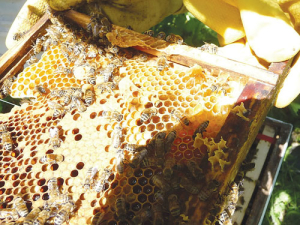
New Plymouth-based Manuka honey exporter Egmont Honey has completed its acquisition of Taihape beekeeping business Tweeddale's Honey, with settlement finalised on Friday, 18 September.

Westpac NZ is calling on farmers and growers to start preparing now for the possibility of a dry summer, as likely El Niño conditions raise the risk of drought across parts of the country.
Fonterra Co-operative Group has confirmed the independently assessed candidates standing for election to its board in 2026.
Fonterra has revised its Farmgate Milk Price forecast for the 2026/27 season, lifting the midpoint and narrowing the range on the back of improving global dairy commodity prices.
New Zealand's citrus growers were challenged to build their future on the value embedded in their fruit rather than the volume they produce, at Citrus New Zealand's annual gathering in Gisborne on 17 September.
Leading John Deere technicians and apprentices from New Zealand and Australians were recognised at the recent sixth annual JD Technician of the Year Awards, held in Brisbane.




OPINION: The same mainstream media muppets that brought you Jacindamania in 2017 have been flat out pimping for the Opportunities…
OPINION: Your old mate reckons the atrocious way farmers in the UK are treated by their lords and masters in…




