Wednesday, 11 September 2024 14:55

Zespri driving towards low-emissions international shipping

Written by  Staff Reporters
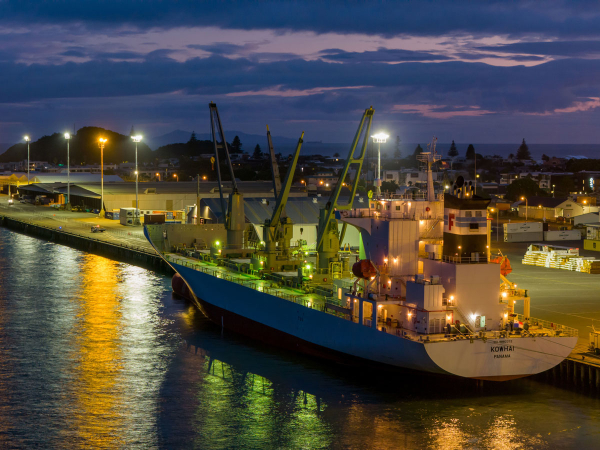
Zespri, in collaboration with ANL/CMA CGM, has initiated a feasibility study to investigate the potential for a low-emissions shipping corridor from Tauranga to Zeebrugge, Belgium, through the Panama Canal. Zespri, in collaboration with ANL/CMA CGM, has initiated a feasibility study to investigate the potential for a low-emissions shipping corridor from Tauranga to Zeebrugge, Belgium, through the Panama Canal.

Zespri, in collaboration with ANL/CMA CGM, has initiated a feasibility study to investigate the potential for a low-emissions shipping corridor from Tauranga to Zeebrugge, Belgium, through the Panama Canal.

Zespri executive officer sustainability Rachel Depree says shipping plays a key role in New Zealand’s export-driven economy, carrying 99% of the country’s trade by volume and approximately 80% by value.

“Low-emissions shipping is a critical part of carbon reduction for exporters and also underpins our collective ability to achieve the government’s goal of doubling export value over the next 10 years,” Depree says.

“Collectively, we are already facing rising costs as carbon is priced into the economy and our markets and customers are starting to demand targets and plans to lower emissions over time,” she says.

Depree says shipping emissions is a key challenge to decarbonising the kiwifruit industry and meeting Zespri’s climate commitments.

“While kiwifruit is a low-carbon product, shipping emissions make up a larger portion of the product’s overall carbon footprint at 43% - and that’s why action is a priority.”

She says that, like many exporters, Zespri cannot directly reduce shipping emissions itself hence the reason why the exporter is working with its shipping and distribution partners to improve efficiency and find opportunities to pilot low-emissions fuel solutions as it works towards its aim of being carbon positive by 2035.

“This includes continuing to advocate for new port infrastructure and supporting the introduction of more low emissions shipping vessels, fuels and technology – all of which are critical and which require significant investment,” says Depree.

“The problem is significant and the answer complex but we do know success here will require coordinated action across government and supply chains,” she says.


More like this

Featured

Southland Farmers Face Wet Weather Toll, Support Available

Farmers across parts of Southland and South Otago are continuing to deal with difficult conditions after a prolonged run of wet weather, with pressure building around feed supply, stock management, pasture damage, farm infrastructure and everyday workloads.

How Wearable Tech Powers This 1,850-Cow Dairy Farm

For Canterbury dairy farmers Sian Meijer and Rick Wobben, wearable technology has become one of their most valuable on-farm tools - helping manage 1850 cows across an expansive, high-performing dairy operation while improving efficiency, mating outcomes and day-to-day decision making.

New Dairy Welfare Code Released, Takes Effect 2027

The first major update to the Dairy Cattle Code of Welfare in more than a decade has been released, marking what DairyNZ describes as an important step in ensuring animal welfare standards continue to evolve alongside scientific evidence and on-farm realities.

National

Machinery & Products

» Latest Print Issues Online

The Hound

'LinkedIn Greens'

OPINION: The same mainstream media muppets that brought you Jacindamania in 2017 have been flat out pimping for the Opportunities…

UK Warning

OPINION: Your old mate reckons the atrocious way farmers in the UK are treated by their lords and masters in…

» eNewsletter

Subscribe to our weekly newsletter