
NZ Beef’s US Opportunity and the Dairy Beef Initiative
Good medium to long term prospects for NZ beef, especially in the US, has heighted the focus on various initiatives to capitalise on this situation.




 increase font size
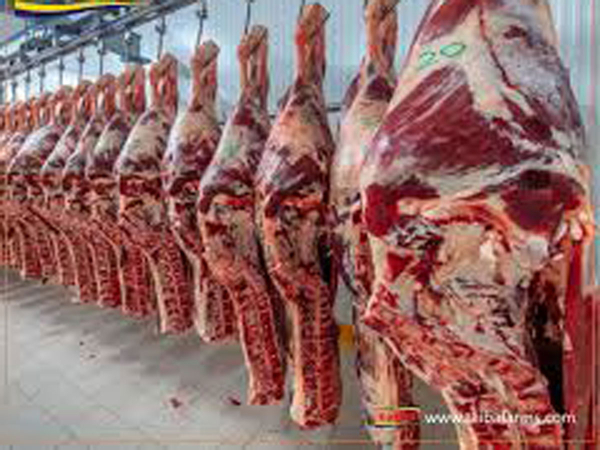 The quotas mean NZ exporters save tariffs worth $934 million every year.
The New Zealand Meat Board (NZMB) oversees $2.6 billion of red meat exports to the quota markets of the European Union, United Kingdom and United States.
The quotas mean NZ exporters save tariffs worth $934 million every year - comprising $609 million for EU and UK sheepmeat and goatmeat, $6.8 million for EU high quality beef and $317 million for US beef and veal.
NZMB chair Kate Acland made the comments at the board’s virtual annual meeting held last week.
Acland told attendees that NZMB’s administrative role has expanded significantly since the board’s establishment more than a century ago.
“The NZMB has been working in the background for more than a century, ensuring seamless market access for our goods, and it’s also been funding industry good projects for many years.
“Prior to the UK’s exit from the EU, the NZMB administered three World Trade Organization (WTO) quotas.
“Two quotas were added following Brexit and a further two as a result of the NZ-UK Free Trade Agreement (FTA). A further three quotas will be added when the NZ-EU FTA enters into force, bringing the total to 10 quotas.”
There was strong interest in beef access under the new tariff free UK FTA beef quota, delivering positive signals into this market, she says.
“Between May 2023 and December 31 2023, more than 1,700 tonnes entered under this new quota with tariff savings of $9.9 million.
“Preparation for the EU FTA is underway and it is anticipated implementation requirements can be concluded for entry into force by mid-2024.”
Sam McIvor, chief executive of the NZMB, said the Board’s work during 2023/24 included planning to establish the management systems for administering the new FTA quotas.
“With support from the New Zealand Government, the NZMB successfully secured paperless quota certification in the US quota market, realising significant economic benefits for exporters. The Board is now seeking expansion of paperless quota certification to other quota markets.”
The NZMB also administers significant farmer reserves, currently standing at $79 million, held as a contingency fund to help New Zealand re-enter export markets in the event of a biosecurity incursion or disruption in quota markets.
Interest from this fund is used for industry-good projects. Following consultation with farmers, the Board is now considering proposals to allocate up to $700,000 in ongoing investment to the Informing New Zealand Beef (INZB) genetics programme and up to $1 million into a new programme focused on eradicating facial eczema in sheep.
Good medium to long term prospects for NZ beef, especially in the US, has heighted the focus on various initiatives to capitalise on this situation.

Carrfields has announced the appointment of Stu Hall to the newly created role of chief operating officer, Carrfields Ltd, reflecting the continued growth of their agribusinesses and the need to ensure the company has the leadership capacity and support in place as it pursues the emerging opportunities ahead.
New Zealand's red meat and fifth-quarter exports reached $867 million in August, up 23% on the same month last year, as stronger returns lifted earnings across all major markets.
State farmer Pāmu is bracing for a $30 million hit from soaring farm input costs this financial year.
Pāmu has released its FY26 Integrated Annual Report, reporting a Net Operating Profit of $113 million, more than double the $49 million recorded in FY25.


National’s pledge to introduce 19 new national standards shows the party is serious about getting Wellington out of farming, Federated Farmers says.
The National Party’s policies to make it easier to grow fresh vegetables, secure reliable water and energy and simplify farm planning are practical changes that will give growers the confidence to invest, according to Horticulture New Zealand (HortNZ).
Fonterra Co-operative Group chief financial officer Andrew Murray has resigned to take up a role outside the dairy giant.
A major move is about to get underway to improve the quality and viability of dairy beef and cattle in NZ.
Veterinarians say changes to the code of welfare for dairy cattle provides a positive foundation for improved cattle welfare across the country.
Today, 15 October, is the International Day of Rural Women, which recognises rural women’s contribution to farming, communities and the environment.

OPINION: The same mainstream media muppets that brought you Jacindamania in 2017 have been flat out pimping for the Opportunities…
OPINION: Your old mate reckons the atrocious way farmers in the UK are treated by their lords and masters in…




