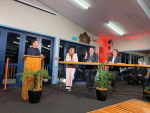
Rural Vote Debate on Q&A: Substance or Just Platitudes?
It was billed as a chance for all the political parties to woo the rural vote, but question marks hang over just how effective this was.




 increase font size
 Apiculture New Zealand chair Nathan Guy
A plan to revitalise New Zealand’s honey sector and set it on a new, more sustainable and profitable path for the long term was launched yesterday by Agriculture Minister Todd McClay.
Apiculture New Zealand initiated the strategy project and drew on extensive engagement with those working in the industry.
Nathan Guy, chair of Apiculture New Zealand, says the new strategy, named Thriving Together: Futureproofing New Zealand Apiculture 2024-2030, has been developed with the aim of resetting the industry’s ambitions for a strong, sustainable future, reflecting the growing maturity of the sector and providing a means to access resources needed to invest in that future.
“The New Zealand apiculture sector has experienced extraordinary growth since manuka honey’s antibacterial properties became internationally renowned, and in that time, honey has become a valuable export earner for communities throughout New Zealand,” says Guy.
“In the ten years to 2020, New Zealand honey export revenue increased five-fold to just over $525m,” he adds.
“While we have seen the industry contract since then with a fall in export revenue and hive numbers, projected growth in the international honey market makes it clear there are compelling reasons for New Zealand honey producers to be optimistic and ambitious about the future.”
The plan is based on three key pillars – Sustainability, Quality-Led and Consumer Focus – which support a goal of doubling New Zealand’s honey export value by 2030.
That goal will be enabled by strengthening industry leadership, creating a sustainable industry reinvestment model, making sure regulatory needs are met to enable future growth, and creating a unique and differentiating New Zealand honey story.
The strategy also considers what the industry needs to do to protect bee health and support beekeepers.
“While industry participants are facing significant challenges at the moment, we haven’t lost sight of the growth potential. New Zealand is a trusted source of high-quality honey, and commands premium prices for all its honey products, not just mānuka.”
Rob Chemaly, Chair of the Unique Mānuka Factor Honey Association says the strategy lays a strong foundation for all in the sector to capitalise on the opportunities for growth.
“The global natural health market for 2024 is estimated to be at least US$24 billion by 2030 with a forecast compound annual growth rate (CAGR) of 8%. If we solidify our export structures and work together as an industry to continue to respond to what consumers want, New Zealand honey will be perfectly placed to continue capitalising on this growth,” says Chemaly.
The Chair of The Mānuka Charitable Trust, Pita Tipene welcomed the industry strategy.
“As kaitiaki for mānuka as a taonga species of Aotearoa-New Zealand the strategy strengthens the partnership we have with both industry and government. This confirms our collective aspirations for our unique honey to build a compelling mātauranga Māori mānuka story,” says Tipene.
Apiculture New Zealand acknowledges MPI and the Sustainable Food and Fibres Futures (SFFF) fund for making this strategy project possible.
It was billed as a chance for all the political parties to woo the rural vote, but question marks hang over just how effective this was.
There's been widespread support from the primary sector for the Government's announcement on changes to freshwater farm plans that come under the Natural Environment Bill, which is now set to replace the existing RMA.
The country's second largest milk processor is warning against 'complacency' during a review of competition regulations in the dairy sector.
Agriculture Minister Todd McClay has admitted that a scheme bringing workers from Pacific nations to work on orchards has become too hard to navigate but says changes are coming.
As expected, the US has launched a safeguard investigation into lamb imports, a move that could impact New Zealand sheepmeat returns.



LIC shareholders have elected a new North Island representative to the co-operative's Board, along with five representatives to its Shareholder Reference Group (SRG), following the company's Annual Meeting held in Invercargill.
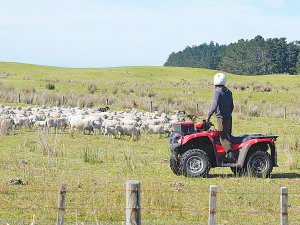
Farmers across parts of Southland and South Otago are continuing to deal with difficult conditions after a prolonged run of wet weather, with pressure building around feed supply, stock management, pasture damage, farm infrastructure and everyday workloads.
Federated Farmers says it welcomes Labour's commitment to reviewing the Sharemilking Agreements Act, calling on other major parties to do the same.
For Canterbury dairy farmers Sian Meijer and Rick Wobben, wearable technology has become one of their most valuable on-farm tools - helping manage 1850 cows across an expansive, high-performing dairy operation while improving efficiency, mating outcomes and day-to-day decision making.
Fonterra has unveiled its annual results for the 2026 financial year, posting $27 billion in revenue and close to $20 billion returned to New Zealand farmer owners and unit holders.
The first major update to the Dairy Cattle Code of Welfare in more than a decade has been released, marking what DairyNZ describes as an important step in ensuring animal welfare standards continue to evolve alongside scientific evidence and on-farm realities.




OPINION: The same mainstream media muppets that brought you Jacindamania in 2017 have been flat out pimping for the Opportunities…
OPINION: Your old mate reckons the atrocious way farmers in the UK are treated by their lords and masters in…




