How Kereru Farm Turned Around Triple Drench Resistance
When Simon Hales discovered triple drench resistance on his Weber farm, it was a catalyst to fast-track farm system change.




 increase font size
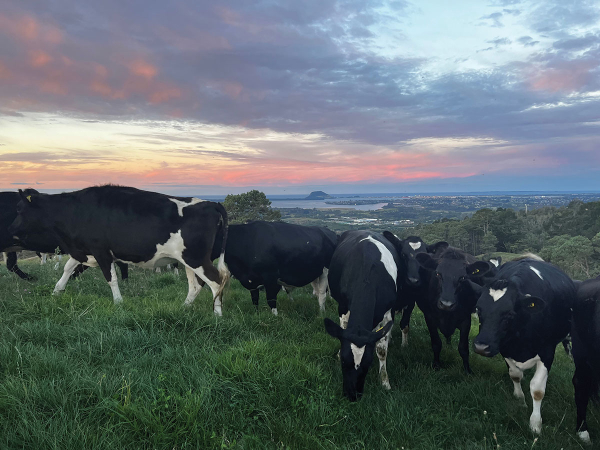 The prevalence of drench resistance in cattle in New Zealand may not be as well understood.
Feeding stock well and drenching only those animals facing a parasite challenge are key tactics in managing parasites in cattle, especially in autumn and early winter.
The prevalence of drench resistance in cattle in New Zealand may not be as well understood as that in sheep, but there’s a high likelihood it is present, and farmers should be vigilant, says Zoetis veterinary advisor, livestock, Victoria Chapman.
Protecting youngstock, which are the future of our herds, is particularly important and the first step is always feeding animals well, which minimises parasites.
“That’s why monitoring is also so important. If they have been on high grazing residuals, maxed out their growth rates and they are exactly where you want them to be, do you really need to drench them? Maybe you just do some or leave them for another week,” she explains.
A combination of weighing stock, faecal egg counts (FEC) and analysing the grazing history of animals should all factor into decision making on farm.
While FEC is important, it cannot be taken in isolation. “It is another valuable tool, taken into consideration with weights and pasture covers and how they are looking. It’s about using your stockmanship.”
Chapman explains that for cattle, the peak larval challenge on pasture happens later than for sheep, and is generally in late autumn and early winter. Each farm is different, and weather and when animals were born influence peak challenge times. A dairy platform where there are only adult cows will also be different.
Traditionally, preventative treatment focused on treating animals every month to avoid a large peak, but times have changed and our approach needs to adapt to reflect that.
“The less parasites animals face, the better. It’s even more important for young and more susceptible animals to avoid a big challenge as they are more at risk than older, more immune ones. However, if pastures are very wormy, a long-acting drench used tactically at this time can be beneficial, as it protects them for longer. Ideally, we should not need to drench adult cows, that should be the bottom line, if they are in good condition and well fed, such as good conditioned beef cows.”
Chapman says for beef cows, the exception to the no-drench rule could be a first calver needing extra protection from parasites.
Dairy is different as adult cows tend to not be in as good a condition as an adult beef cow. “Those cows that are dried off early are dried off for a reason; they are not as fat and fabulous as their herd mates who are still milking, or they may have mastitis. I would treat those animals. There are always exceptions, but I would be aiming to not blanket treat the herd.”
Chapman says it is okay to drench, if it is warranted, and it is a valuable tool in the toolkit if used wisely to improve production and aid in tight spots in the season.
“Drenches are a great tool, but they are only good as long as they are working, and the longer they are working, the better.”
This is the acronym Wormwise, our national parasite management body recommend (feed, avoid, refugia, monitor and effective drenching).
Feed. Ensure susceptible or young animals get good feed quality and quantity. Grazing higher residuals also keeps susceptible animals out of the parasite zone, or at least minimises their exposure. Use older stock classes to maintain pasture quality.
Avoid the parasites. The earlier point also covers this but it’s also about using older or different stock classes to vacuum up infective larvae to clean up paddocks. Or graze young animals on crops where there are less larvae. Refugia is a key point- leaving some animals untreated to enable susceptible parasites to reproduce. It’s a bit counterintuitive for production but can help delay resistance. Monitoring with FECs, assessing drench efficacy, weights, pasture residuals etc and making decisions on actual data, rather than the calendar or best guess is also key. Finally, use an effective drench and use it well (check dose delivery of gun, animal weights etc). Any drench is valuable if it is effective, so know what works on your farm.
Article - Zoetis
When Simon Hales discovered triple drench resistance on his Weber farm, it was a catalyst to fast-track farm system change.

Solid biosecurity practices, regular monitoring and timely vaccination are the three key pillars of effective Bovine Viral Diarrhoea (BVD) control on New Zealand farms. Zoetis veterinary technical advisor, Karley DeFrees, explains BVD is a costly but preventative disease that impacts a significant number of dairy farms in New Zealand. Implementation of a BVD control plan can help protect your herd from this avoidable disease.
Clostridial diseases are a major cause of sudden death in young lambs and calves, and for King Country farmer and veterinarian, Stacey Turner, vaccinating with Ultravac 5in1 is a non-negotiable animal health practice.
Healthy, well-grown calves are the building blocks of any future dairy herd. Giving them the best start to life is crucial, and the primary strategy to reduce the burden of disease caused by rotavirus infection is vaccination.
Mid-season on farm is where good habits are tested. Workloads build, the days stack up, and what felt straightforward at the end of the season can begin to feel like a grind. It is also the point where small lapses in consistency can creep in, often without anyone noticing in the moment.



Now in its fourth year, the 2026 Fencing Industry Awards, formed part of the proceedings of the FCANZ Conference, held in Nelson during August.
DairyNZ deputy chair Cameron Henderson has been re-appointed unopposed for another term.
OPINION: The stats speak for themselves.
Farms across the upper North Island are trialling different pasture mixes as part of a research programme that aims to build greater resilience into farming systems.
Election years are always a concerning time for farmers, according to DairyNZ chair Tracy Brown.
The Ballance Farm Environment Awards are coming to the West Coast of the South Island.


OPINION: The same mainstream media muppets that brought you Jacindamania in 2017 have been flat out pimping for the Opportunities…
OPINION: Your old mate reckons the atrocious way farmers in the UK are treated by their lords and masters in…