
India FTA Removes 33% Tariff on NZ Sheepmeat
New Zealand’s red meat sector has welcomed the India-New Zealand Free Trade Agreement taking effect, which removes India’s 33% tariff on New Zealand sheepmeat.




 increase font size
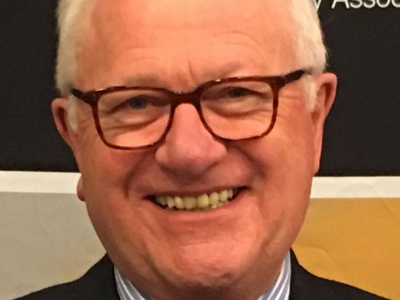 MIA chief executive Tim Ritchie.
The Government’s freshwater proposals represent a blunt instrument for complex water problems, according to the Meat Industry Association (MIA).
“We know that freshwater is at the centre of many New Zealanders’ way of life and that collectively we need to continue to improve,” says MIA chief executive Tim Ritchie.
“MIA generally welcomes the proposal for processing plants to have a Risk Management Plan for wastewater discharges into waterways. Under resource consent requirements, processing sites already have similar plans in place.
“The meat processing sector has also invested significantly in wastewater treatment upgrades and made considerable improvements.
“However, the critical part to get right is to ensure there is enough flexibility in the legislation so that each local situation can still be considered on its merits and that we focus on the outcomes that communities want for their freshwater.
“Achieving higher levels of water treatment will obviously come at a cost, so transition periods need to take into account a longer term plan for improvement and what’s practical to achieve in the shorter term.”
MIA is concerned about the effective ban on changing land use, said Mr Ritchie.
“Hill country farmers are already under pressure from forestry companies speculating on the future price of carbon.
“These farmers are already making significant progress on improving practice and retiring marginal land, but by taking away their flexibility to adapt their land use to meet new requirements with blanket rules, we are compromising the future of our red meat industry in New Zealand.
“We have serious concerns that the Government may be pushing farmers too far and fast. We urge the Government to seek an agreement with the farming sector on environmental outcomes.”
New Zealand’s red meat sector has welcomed the India-New Zealand Free Trade Agreement taking effect, which removes India’s 33% tariff on New Zealand sheepmeat.
New Zealand's red meat and fifth-quarter exports reached $867 million in August, up 23% on the same month last year, as stronger returns lifted earnings across all major markets.
Meat Industry Association data, released alongside the Red Meat Sector conference in Wellington, shows export value climbing across the US, China, UK and Canada.
There's been widespread support from the primary sector for the Government's announcement on changes to freshwater farm plans that come under the Natural Environment Bill, which is now set to replace the existing RMA.


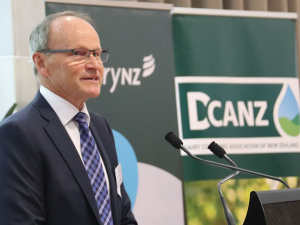
Dairy processors are ready to further boost New Zealand’s export earnings but want the incoming government to match their ambition with good policy.
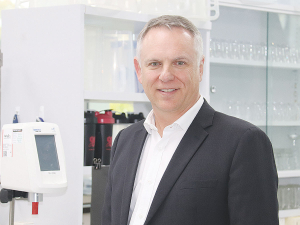
Massey University is best placed to solve the “problems” facing the dairy industry, says vice chancellor, Pierre Venter.
Synlait's longest serving employee – a man who joined the Canterbury-based milk processor even before it began processing milk – is now its newest executive.
A dairy industry leader believes eradicating the common and costly disease, Bovine Viral Diarrhoea (BVD) is within reach.
A farmgate milk price of $10/kgMS this season is firming up as milk powder prices soar and the New Zealand dollar weakens.
Federated Farmers has welcomed new rural policies released by ACT, saying they align closely with its own election priorities.




OPINION: The same mainstream media muppets that brought you Jacindamania in 2017 have been flat out pimping for the Opportunities…
OPINION: Your old mate reckons the atrocious way farmers in the UK are treated by their lords and masters in…