
Damien O’Connor Criticises Budget 2026 as ‘Miserable’ for Rural New Zealand
A miserable budget that didn’t deliver much for anyone.




 increase font size
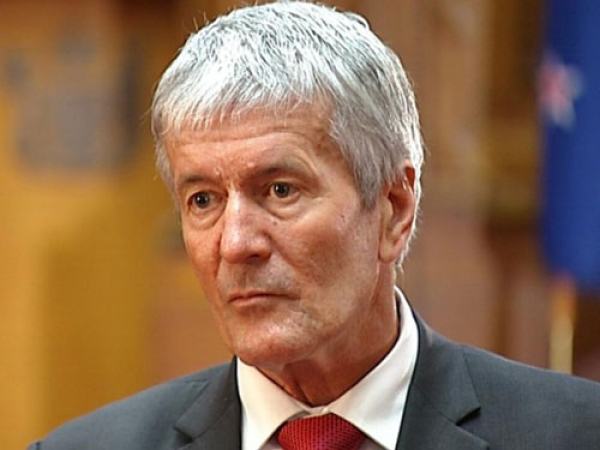 Agriculture Minister Damien O'Connor has declared an adverse event for the Canterbury region amid flooding.
Agriculture Minister Damien O’Connor has declared an adverse event for the Canterbury region, unlocking Government support for farmers and growers.
“My decision to classify this as a medium-scale adverse event ensures funding of $500,000 for flood recovery measures,” O’Connor says.
He says the funding will help speed up the recovery of farming businesses, and includes wellbeing support and specialist technical advice.
“The money will be used for recovery grants, to enable the region’s three Rural Support Trusts to provide extra help to farmers, and for other flood assistance where needed.
“We will continue to assess whether further support is required as the full extent of the flooding becomes clearer.”
Approximately 400 millimetres of rain has fallen on parts of the region, creating widespread flooding and significant damage to property and the road network.
It’s putting further pressure on farmers who have been battling drought and we’re committed to helping them get through.
A state of emergency has been declared for the Canterbury region.
“Based on the advice I have received from Ministry for Primary Industries (MPI) staff based in the area, the scale of impact is beyond the communities’ ability to cope,” O’Connor says.
Other recovery measures being considered include an Enhanced Taskforce Green work programme to assist with clean-up and recovery, Rural Assistance Payments to help farmers with essential living costs, and flexibility through the Income Equalisation Scheme.
MPI is working closely with Civil Defence Emergency Management staff, industry groups and others to help with the recovery effort, including the animal welfare response.
“Support is available for farmers who are short of livestock feed, or who have had baleage and fodder crops washed away or damaged by floodwaters,” O’Connor says.
A miserable budget that didn’t deliver much for anyone.

National's decision to ‘dribble’ information about the NZ/India to Labour contributed to the delay in it deciding to supported the FTA.
When it comes to international trade, politicians from all sides of the aisle are united, says Labour's trade spokesman Damien O'Connor.
Federated Farmers have reiterated their support for the coalition Government to abolish the present ban on the live export of animals.
As the coalition Government mulls new regulations to reinstate the export of live animals, debate is heating up between supporters and opponents.


Federated Farmers has welcomed new rural policies released by ACT, saying they align closely with its own election priorities.

Rural Contractors NZ says proposed changes to land transport rules for agricultural vehicles are a welcome response by the Government to out of date regulations which have seen members hit with huge fines.
Alliance is calling for final applications for its 2027 Graduate Programme, with applications closing on Sunday 25 October.
Decades piloting planes has ensured vet and farmer David Hayes is focused on safety. So, after a serious accident while welding on farm, he is sharing his experience so others can learn from it.
Canterbury milk processor, Synlait Milk has confirmed Leon Fung as its chief executive officer.
OPINION: Making it easier to collect rainwater and use it to grow crops and livestock is a no brainer.





OPINION: The same mainstream media muppets that brought you Jacindamania in 2017 have been flat out pimping for the Opportunities…
OPINION: Your old mate reckons the atrocious way farmers in the UK are treated by their lords and masters in…




