
Dairy power
OPINION: The good times felt across the dairy sector weren't lost at last week's Beef + Lamb NZ annual meeting.




 increase font size
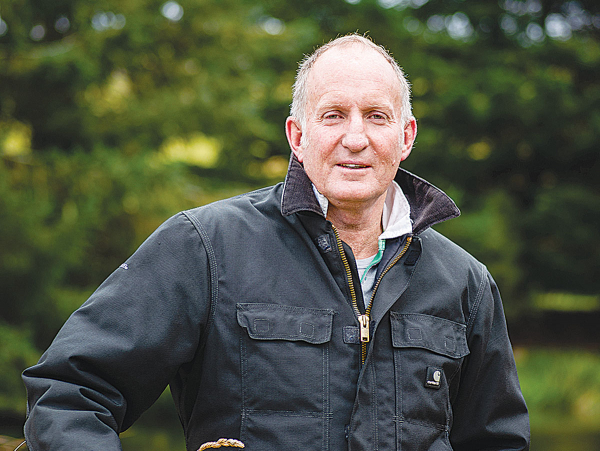 Beef + Lamb NZ chair Andrew Morrison
Sheep and beef farmers are welcoming a Government announcement that sequestration will be part of an agricultural emissions pricing package.
Beef + Lamb New Zealand (B+LNZ) chairman Andrew Morrison says the Government has listened to B+LNZ, industry groups and farmers’ feedback.
“They have acknowledged the importance of all genuine sequestration being recognised from 2025, particularly for sheep and beef farmers,” says Morrison.
“While there are details to work through, we understand there is a willingness to work on the basis of what was originally proposed by the agriculture sector on sequestration while the Emissions Trading Scheme (ETS) is expanded and improved, which we welcome.
“The devil, however, will be in the detail. This is such an important issue to our farmers that we have to get it right.
“Our farmers have told us that if they are going to face a price on their emissions, then they need to get proper recognition for that sequestration on their farms from day one.”
For many extensive farmers, sequestration is the only tool they have available to mitigate the impact of emissions pricing.
At the National Fieldays this week, Prime Minister Jacinda Ardern announced that the Government is planning to develop a strategy for on-farm carbon sequestration.
The Government is committed to sequestration being recognised from 2025: transitional arrangements will be in place from 2025 with entry into ETS to follow later.
The recognition of on-farm sequestration will be a core component of the Government’s work to reduce New Zealand’s agricultural climate emissions.
“We want a plan for reducing agricultural emissions we can all agree on. We’ve heard sequestration is a top priority for farmers and critical to making He Waka Eke Noa work,” says Ardern.
“The Government has already committed to sequestration being recognised and compensated for from 2025. The He Waka Eke Noa partnership, the Climate Change Commission, and the Government all agree that it needs to be done in a way that is fair, cost-effective, and scientifically robust.
“The recent consultation process has highlighted how important the issue of sequestration is to farmers. This is work we already had underway, but next step will be to work closely with farmers to develop the scientific, and policy approaches needed to best recognise sequestration that occurs on farms.
“The best way to achieve sustainable emissions reduction is by working together. The Government remains committed to He Waka Eke Noa and we are pleased to undertake this important work on sequestration with farmers to help deliver it.”
OPINION: The good times felt across the dairy sector weren't lost at last week's Beef + Lamb NZ annual meeting.
Beef + Lamb New Zealand (B+LNZ) is calling on livestock farmers to take part in a survey measuring the financial impact of facial eczema (FE).
Beef + Lamb New Zealand (B+LNZ) chair Kate Acland says there are clear governance processes in place to ensure fairness and transparency.
The red meat sector is watching anxiously as the US embarks on a tariff war with its key trading partners.
Beef + Lamb NZ wants farmers to complete a survey that will shed light on the financial toll of facial eczema (FE) at the farm level.


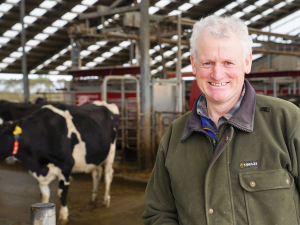
In Dacre, near Invercargill in New Zealand’s South Island, Bruce Dinnington is running a dairy operation unlike any other.

A free online platform aggregating governance vacancies across rural and regional New Zealand has been launched.
Environment Minister Nicola Grigg has announced details of a new rural plastics recycling scheme.
Agricultural drone operators say that a government decision to allow lower-risk drone work without certification won’t lower standards but drive innovation and efficiency.
OPINION: Warning bells are ringing in the arable sector.
Farmgate lamb prices are down by 8%, beef cattle by 4.5% and farm expenditure up by 4.2%.

OPINION: The same mainstream media muppets that brought you Jacindamania in 2017 have been flat out pimping for the Opportunities…
OPINION: Your old mate reckons the atrocious way farmers in the UK are treated by their lords and masters in…




