Editorial: Don't take away farmers' tools
OPINION: Farmers are being put on notice by the Green Party.




 increase font size
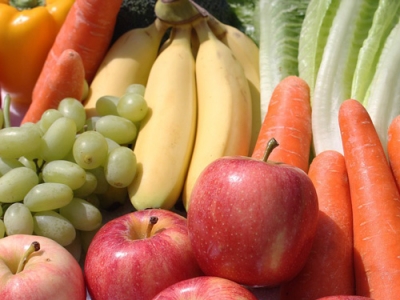 International food commodity prices have received their steepest monthly increase of the past four years.
International food commodity prices shot up 4.2% in June, their steepest monthly increase of the past four years.
The FAO Food Price Index averaged 163.4 points in June and is now 1% below the level reached a year earlier. The June rise, which affected all commodity categories except vegetable oils, was the fifth consecutive monthly increase.
The price movement reflects FAO's updating of its cereal supply and demand forecasts for the 2016/17 marketing season.
FAO's Food Price Index is a trade-weighted index tracking international market prices for key traded food groups.
The FAO Dairy Price Index rose 7.8% from May, spurred by an uncertain outlook in Oceania and slower production growth in the European Union. Nonetheless, the index remained 14% below its level of a year ago.
The FAO Meat Price Index rose 2.4% from its revised May value, as average quotations for pork, beef and poultry all rose for the third consecutive month.
The FAO Sugar Price Index rose 14.8% from May, as Brazil, the world's largest sugar producer and exporter, endured heavy rains that hindered harvesting and dented yields.
The FAO Cereal Price Index rose 2.9% in the month and is now 3.9% below its level of June 2015. Maize prices drove that increase, primarily due to tightening export supplies from Brazil. Ample wheat supplies and reports of record yields in the United States held down wheat prices.
The FAO Vegetable Oil Price Index defied the trend, declining 0.8% from its May level.
OPINION: Farmers are being put on notice by the Green Party.

OPINION: The Green Party’s rivers and oceans policy may have a new name but nothing else has changed.
OPINION: Staying on Plan Change 1, NZ First deputy leader Shane Jones took to social media to gain some political points.
Kiwis love their butter, and that's great because New Zealand produces some of the best butter in the world. But when the price of butter goes up, it's tough for some, particularly when many other grocery staples have also gone up and the heat goes on co-operative Fonterra, the country's main butter maker. Here the co-op explains why butter prices are so high right now.
The benchmark for world food commodity prices increased for the third consecutive month in May, as higher prices of cereals and dairy products outweighed decreases in quotations for sugar and vegetable oils, the Food and Agriculture Organization of the United Nations (FAO) reports.


Federated Farmers' new vice president Sandra Faulkner says the issue of adverse events emergency management and infrastructure needs to be taken out of the three-year political cycle.

Building a strong team is one of the biggest drivers of a successful sheep and beef business, but it can also be one of the tougher parts to get right.
Blueberry growers are warning that fresh imports could pose a huge biosecurity risk for NZ’s horticulture sector.
As expected, the US has launched a safeguard investigation into lamb imports, a move that could impact New Zealand sheepmeat returns.
A milk glut around the world shows no sign of easing, putting downward pressure on farmgate milk prices for the next few months.
A pause on Waikato Regional Council's (WRC) plan change that sets new freshwater rules for farming could be announced in the coming weeks.




OPINION: It really is getting harder to lampoon government bureaucrats when they do such a good job of it themselves.…
OPINION: After all the criticism that Winston Peters leveled at the India/NZ FTA, it seemed just a trifle ironic to…