
New Zealand Apple Industry Enjoys Second Strong Season In A Row
The chief executive of Apples and Pears New Zealand, Danielle Adsett, says fruit quality this year is phenomenal and the sector is hitting crop estimates, which is great for growers.




 increase font size
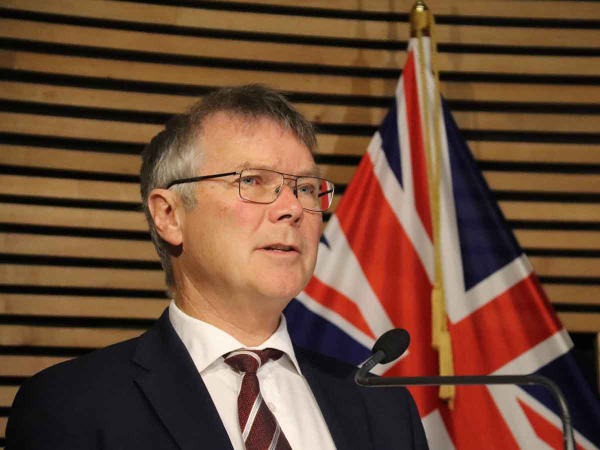 Environment Minister David Parker.
The Government has agreed to a temporary law change that will enable rural Hawke's Bay and Tairāwhiti landowners dealing with cyclone and flood debris to burn mixed waste so they can replant and return their land to productivity.
The plan is for the law to come into effect no later than June 27 and continue until mid-December.
Environment Minister David Parker says some farmers and horticulturalists, especially in Hawke's Bay, are under huge stress dealing with the fallout from the severe weather. He says many have huge piles of waste, including materials like treated timber and plastics that are not allowed to be burned.
"Therefore, we propose reclassifying the burning of mixed waste piles from a prohibited to a permitted activity, subject to standards overseen by councils. People will still need to comply with Fire and Emergency New Zealand requirements."
Parker says the debris puts growers at risk of missing the June/July growing season, creating further threats to livelihoods already put at risk by severe weather damage.
The Hawke's Bay Regional Council says it welcomes the Government's move and will work closely with farmers and growers to ensure they understand the conditions that apply with the temporary law change.
The chief executive of Apples and Pears New Zealand, Danielle Adsett, says fruit quality this year is phenomenal and the sector is hitting crop estimates, which is great for growers.
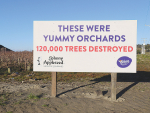
Nearly three years on from Cyclone Gabrielle, Hawke's Bay apple orchardist Paul Paynter says they are still doing remedial work around their orchards and facing financial challenges.
If there was a silver lining in the tragedy that was Cyclone Gabrielle, for New Zealand Young Grower of the Year, Grace Fulford, it was the tremendous sense of community and seeing first-hand what good leadership looks like.
Listed carpet manufacturer, Bremworth is undertaking a $6 million expansion at its Napier plant more than two years after the site was heavily damaged by Cyclone Gabrielle.
The road between Napier and Wairoa is on the mend.


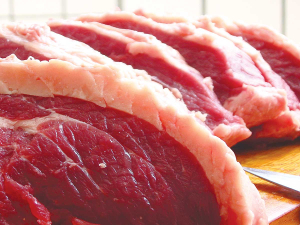
OPINION: There could hardly be a more appropriate theme for a conference than the one chosen by the red meat sector - Navigating Volatility.
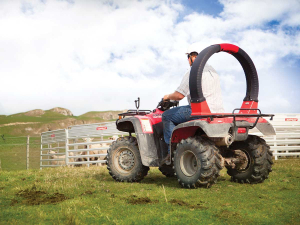
When Northland leather worker Vernon Suckling started making horse saddles 50 years ago, quad bikes and side-by-side vehicles were unheard of.
Alliance Group has confirmed that eligible farmer-shareholders who supply and continue to back the business will receive up to $20 million later this year, following the strategic investment partnership with Dawn Meats.
With a general election under five weeks away, Rural News is asking major political parties about their policies and positions on key issues facing the primary sector. We will run their responses to each question over the next four weeks. The ACT Party and the Greens didn't respond in time.
The red meat sector is in great heart.
Entries opened on Monday, 5 October 2026 for the 2027 New Zealand Dairy Industry Awards (NZDIA), which organisers describe as the nation's biggest celebration of excellence in the dairy sector.





OPINION: The same mainstream media muppets that brought you Jacindamania in 2017 have been flat out pimping for the Opportunities…
OPINION: Your old mate reckons the atrocious way farmers in the UK are treated by their lords and masters in…




