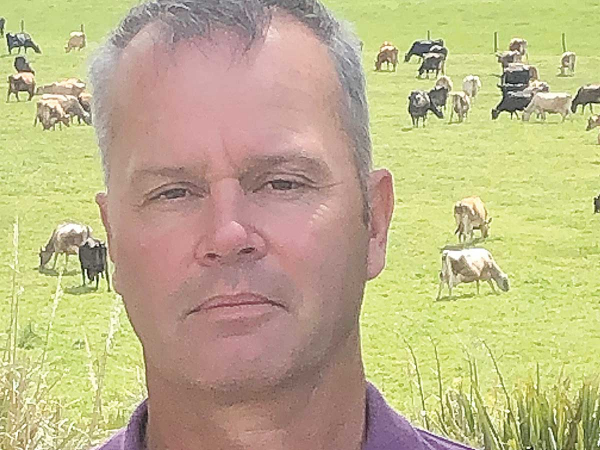
Simon Couper, who chaired Fonterra Shareholders Council but resigned after expressing concerns about the co-op’s capital structure in 2012, told Rural News that “strategy needs to come before structure”.
“The strategy needs to be absolutely focused on our core strategic advantage and the processing of New Zealand milk,” Couper says.
His comments come as Fonterra’s farmer shareholders start deliberating on the future shape of the co-operative.
Fonterra’s last capital structure review ran into trouble when a plan for a partial public listing was rejected by farmers who feared they would lose control.
Following another round of consultations, Fonterra farmers agreed in 2012 to set up Trading Among Farmers (TAF), which allows outside investors to buy units and qualify for dividends. But these investors have no ownership or voting rights in the co-op.
An online survey, sent out last month by new chairman Peter McBride, signalled the start of the farmer consultation process.
The survey, with nine main questions, aims to gauge the mood of farmers. The first question is how farmers feel about a potential change to the co-op’s capital structure.
Last month’s email, with the online survey, to farmer shareholders from McBride is the first opportunity for the 10,000 Fonterra shareholders to engage in the process.
The co-op’s board and management have been discussing potential capital structure changes behind closed doors for the past few months.
McBride says the board has been leading a review of its capital structure “to ensure it best supports our strategy and long-term vision for our co-op”.
“We have spent the past few months reviewing potential options, including staying with our current structure.
“Every option has its own merits, but also involves some form of trade-off.”
He says the board is seeking feedback on “the structural principles” that are most important to farmers.
After the farmer survey, the board will further develop options and continue consultations. A preferred option will then emerge and put before shareholders for further consultation before a vote.
Meanwhile, McBride has also outlined the board’s other priorities for 2021. These include continuing to navigate the challenges presented by Covid-19 and delivering a strong milk price and forecast earnings.
“We are also focused on implementing our strategy, while clearly defining our longer-term strategic aspirations, and completing our portfolio review work through the asset divestment processes we have previously announced,” he says.