
Editorial: Common Sense Prevails
OPINION: The Government's decision to reinstate agriculture and horticultural science as a standalone subject from Year 11 is the right one.




 increase font size
 ANZ chief economist Cameron Bagrie.
GETTING YOUNG people into agribusiness is critical for New Zealand’s future, says ANZ chief economist Cameron Bagrie.
He told the recent Zespri conference that he is concerned to see the right people enter the agri sector in the numbers required. For example, the kiwifruit industry will soon be producing 30 million more trays of product and will need more people to cope with that trend.
Bagrie is convinced that most young people do not understand the long term future they could enjoy in some primary industries.
“People study commerce and law because the perception is they are going to make an awful lot of money. [But] I am pretty sure an agri manager has a higher starting salary than a lawyer or an accountant. Who would have thought that possible five or ten years ago? The relative price signals are starting to shift.”
New websites enable young people to see the opportunities in the various sectors and income prospects over time.
He proposes drastic moves on university fees to encourage agri studies and discourage arts. “If you want to get more people into agriculture there is a big lever you can pull in regard to fees. If you want fewer arts students ram the price of these degrees up and put the price of an agri degree down. Students respond to those sorts of dynamics.”
Bagrie also has a strong message for teachers: education is the only sector where, regardless of skills, people get the same pay.
“Can you imagine a bunch of lawyers on strike, marching down the main street in Tauranga holding up signs saying ‘because we are worth it’?” he asks.
“I’m a big believer in economics 101: if you get the right economic incentives in front of people you will drive the right sort of behaviours. So if there is a quality mis-match between one teacher and another there should be a pay mis-match between one and the other.”
• Huge career opportunites - page 5
OPINION: The Government's decision to reinstate agriculture and horticultural science as a standalone subject from Year 11 is the right one.

Teachers are welcoming the outgoing Government’s U-turn allowing agriculture and horticultural science to remain a standalone Year 11 subject.
Dunedin-based company MastaPlex, which provides on-farm mastitis diagnostic platform globally, has named a new independent director.
Students will be able to study Agriculture and Horticultural Science from Year 11, creating a clear pathway into Years 12 and 13 and future careers in New Zealand’s primary industries, Education Minister Erica Stanford says.
Alliance is calling for final applications for its 2027 Graduate Programme, with applications closing on Sunday 25 October.


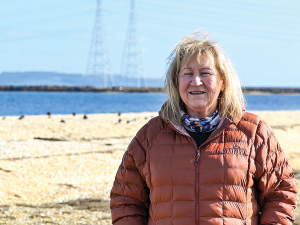
For 15 years, Glenda Rees has travelled from Gore to Awarua, often several times a week, to keep watch over one of the country’s rarest birds.
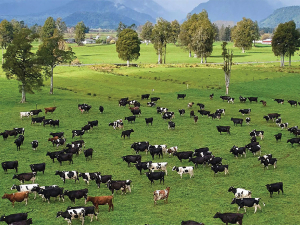
With some farmers opposing a government-industry partnership set up to develop methane reducing products, one NZ company claims that it already has a product on the market.
During the nesting season, from September to December, industrious starlings can quickly build nests in the darker areas behind tractor and vehicle, usually close to hot engines, typically resulting in localised damage or in some cases complete write-offs.
The meat processing industry is much more collegial than it was in the past and is now more focused on common goals.
With the last couple of months having seen some potential tractor purchases put on hold with the impending election and continued input cost rises, year-to-date figures, ending September, has seen deliveries up around 5% over the same period in 2025, with a total of 2026 units.
Beef+Lamb New Zealand is calling for nominations for director roles in the Northern South Island and Northern North Island electoral districts.





OPINION: The same mainstream media muppets that brought you Jacindamania in 2017 have been flat out pimping for the Opportunities…
OPINION: Your old mate reckons the atrocious way farmers in the UK are treated by their lords and masters in…