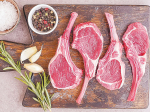
NZ Red Meat Exports Hit $867m in August, Up 23%
New Zealand's red meat and fifth-quarter exports reached $867 million in August, up 23% on the same month last year, as stronger returns lifted earnings across all major markets.




 increase font size
 Crowe Howarth’s head of agribusiness Hayden Dillon says China is far from finished as a key driver of NZ agriculture.
It's too early to write off China, says Hayden Dillon, head of corporate agribusiness for Crowe Horwath.
"China is far from finished as a key driver of growth for the New Zealand agribusiness sector," says Dillon.
Despite recent negative market commentary on China, Dillon, who recently visited there on a BNZ 'Port to Plate' tour, was optimistic about the future of NZ agribusiness.
But he acknowledges there are challenges in doing business in China, which is "large, complex and changing faster than we can possibly understand". "There is no simple headline or strategy to sum up this market, but no doubt it is still the most valuable opportunity to NZ agribusiness," says Dillon.
Referring to reported drops in Chinese imports, Dillon suggests 'reading between the lines' and focussing on the key numbers for NZ exporters.
"Though Chinese imports dropped year-on-year to August 2015 by 13.8%, food imports grew by up to 25%. This might be bad news for the likes of Prada, Audi and other luxury brands, but the story for NZ, exporting food and food technology, is very strong," says Dillon.
He forsees no change in the trend in rising food imports by China. "We're feeding the dragon: China has a rapidly growing population with rising incomes and is far from reaching its satisfaction point in food demand."
Changing diets in China were explained to the visiting Kiwis by the Agricultural Development Bank of China. The bank says demand for edible oil, meat and dairy will keep growing and rice consumption per capita will decrease.
Dillon notes the beginning of a rise in demand for 'green' products, essentially organic or highly certified food. Here could be further niche opportunities for NZ businesses.
The real risk is not seen in the short-term news from China, Dillon says. It is instead the risk that NZ will not position itself as being able to meet China's immediate food demands.
"The opportunities in China are almost limitless. Our products are sought as being safe, but that will not last. The complexities of China mean that our simple approach of producing and shipping a commodity to a port will not suffice once China starts addressing the immediate demand shortfalls through growth in its industrial farming practices."
To manage the productivity and quality of the food supply chain has prompted the Chinese government to support the development of
farms with 15,000 cows. "And China produces half the world's apples, so they know about industrial farming," Dillon says.
Dillon says Fonterra's setting up dairy farms for local supply in China, using New Zealand expertise and farming technology, is a smart move.
NZ agribusiness must develop successful brands in China, he says. "The consumers are far savvier than we give them credit for: they do not trust lightly and will do homework on traceability and social feedback before buying."
New Zealand's red meat and fifth-quarter exports reached $867 million in August, up 23% on the same month last year, as stronger returns lifted earnings across all major markets.

Meat Industry Association data, released alongside the Red Meat Sector conference in Wellington, shows export value climbing across the US, China, UK and Canada.
OPINION: The stats speak for themselves.
China remains New Zealand’s biggest market, taking $23 billion of our exports, but it’s no longer a commodity story, says Prime Minister Christopher Luxon.
Fonterra is strengthening its foodservice presence in China with the launch of a new cream for professional bakeries at Bakery China 2026 in Shanghai.



Federated Farmers has welcomed new rural policies released by ACT, saying they align closely with its own election priorities.

Rural Contractors NZ says proposed changes to land transport rules for agricultural vehicles are a welcome response by the Government to out of date regulations which have seen members hit with huge fines.
Alliance is calling for final applications for its 2027 Graduate Programme, with applications closing on Sunday 25 October.
Decades piloting planes has ensured vet and farmer David Hayes is focused on safety. So, after a serious accident while welding on farm, he is sharing his experience so others can learn from it.
Canterbury milk processor, Synlait Milk has confirmed Leon Fung as its chief executive officer.
OPINION: Making it easier to collect rainwater and use it to grow crops and livestock is a no brainer.



OPINION: The same mainstream media muppets that brought you Jacindamania in 2017 have been flat out pimping for the Opportunities…
OPINION: Your old mate reckons the atrocious way farmers in the UK are treated by their lords and masters in…




