
Where Is The Honesty Among Our Representatives?
OPINION: A founding principle of Groundswell NZ is that farmers, and people generally, should be provided with full and accurate information about regulations that directly affect them.




 increase font size
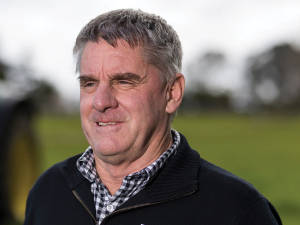
 Groundswell co-founder Bryce McKenzie
Groundswell co-founder Bryce McKenzie says the government’s continued plans for emissions pricing are as bad for farmers as Labour’s plan.
McKenzie, an Otago farmer, says the Government’s emissions reduction plan will mean higher food prices for Kiwis, with no benefit to global emissions.
The updated plan, announced today, will see agricultural emissions pricing introduced by 2030 along with incentives to take up new technologies.
Climate Change Minister Simon Watts claims the plan sets the foundation for meeting the government's net zero 2050 target as early as 2044.
“New Zealand needs to be stronger in a changing climate. We want our way of life to be protected and minimise the impacts of climate change to our country,” Watts says.
“We can have affordable and secure clean energy, an efficient competitive agriculture sector, and a booming economy while meeting our climate change commitments. This plan sets out how we can get there.”
However, McKenzie says that while supporting research into emissions reduction innovation is good, Kiwi farmers are already the most efficient in the world and have strong incentives to hold that position by taking up new technologies once they are proven safe, effective and desired by consumers.
“This Government, like the last one, is pretending there is some way a price on agricultural emissions – a Farming Tax – can work without making the food we produce in New Zealand more expensive and less competitive overseas, sending production offshore,” he says.
"Any reduced production here will just be taken up by less efficient foreign farmers who emit more for the same amount of food and chop down rainforests to make room for their larger, less efficient herds and flocks.”
"If the goal is decreasing the world’s total food emissions, the politicians clapping for Simon Watts at overseas conferences should be removing trade barriers so our lower-emissions food can compete fairly in their markets," he concludes.
OPINION: A founding principle of Groundswell NZ is that farmers, and people generally, should be provided with full and accurate information about regulations that directly affect them.

OPINION: Groundswell's opinion of the incumbent farm industry representatives isn't high.
OPINION: Back in April, the Intergovernmental Panel on Climate Change delivered an update that should have triggered an 8.5 magnitude earthquake in the world of climate change policy.
OPINION: City and regional councils have been put on notice - stop using extreme climate forecasting scenarios that can drive unnecessary costs onto ratepayers.
OPINION: Bouquets this week from the old mutt for Fed Farmers and Groundswell for continuing to resist the proposed Gore District plan and its intention to apply costly "cultural values" across the district and a raft of land classifications that are unworkable and counterproductive.


Federated Farmers has welcomed new rural policies released by ACT, saying they align closely with its own election priorities.
Rural Contractors NZ says proposed changes to land transport rules for agricultural vehicles are a welcome response by the Government to out of date regulations which have seen members hit with huge fines.
Alliance is calling for final applications for its 2027 Graduate Programme, with applications closing on Sunday 25 October.
Decades piloting planes has ensured vet and farmer David Hayes is focused on safety. So, after a serious accident while welding on farm, he is sharing his experience so others can learn from it.
Canterbury milk processor, Synlait Milk has confirmed Leon Fung as its chief executive officer.
OPINION: Making it easier to collect rainwater and use it to grow crops and livestock is a no brainer.




OPINION: The same mainstream media muppets that brought you Jacindamania in 2017 have been flat out pimping for the Opportunities…
OPINION: Your old mate reckons the atrocious way farmers in the UK are treated by their lords and masters in…




