McRae Wins Southern South Island B+LNZ Director Vote
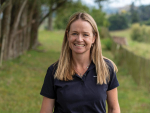
Matt McRae, a farmer from Mokoreta in Southland who runs a sheep, beef and dairy support business alongside a sheep stud, has been elected to the Beef +Lamb NZ Board as a farmer director.




 increase font size
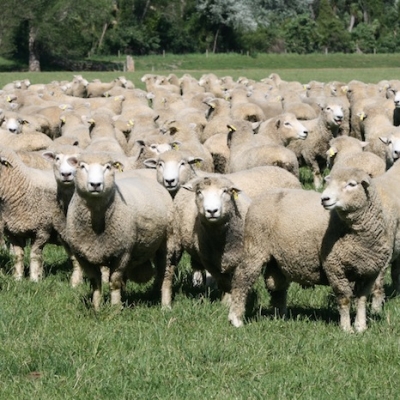 Confidence is increasing among sheep and beef farmers.
SHEEP AND BEEF farmers should ride the wave of the upward cycle in commodity trade by ensuring they reinvest and build more buffer into their businesses, says Beef + Lamb NZ chairman James Parsons.
Record beef prices are driving confidence among sheep and beef farmers, says Parsons. Lamb and wool prices are also up, all adding to the bottom line. “We are seeing record pricing on beef than we have ever seen before. That is increasing the confidence among sheep and beef farmers, particularly those with more beef.”
A total 75% of sheep and beef farmers expect improvement in their own farm businesses in the next 12 months, Rabobank’s quarterly farmer confidence survey to November shows. This “markedly bullish” farmer sentiment had spiked from 48% in the last quarter, says chief executive Ben Russell. Only 2% of sheep and beef farmers expected their own farm’s performance to worsen, down 7% from the previous survey.
Meanwhile 52% of dairy farmers expect their own farm performance to worsen; only 11% believe it will improve and 35% expect similar performance.
Parsons says a “natural human reaction” is that sheep and beef farmers are no longer feeling like the poor cousins to dairy, which is also boosting their confidence.
“I have long argued that low confidence in the sheep and beef sector [formerly] has been because they were too busy looking over the fence at dairy which has been doing well. Now we see the flip side where dairy is not doing well and sheep and beef are doing better.”
But the boosted confidence among sheep and beef farmers because of beef prices looking particularly strong was the “real positive”. While “crystal balls” are always dangerous, it looks good for the next 24 months at least, with the US beef herd still rebuilding. Beyond that it is hard to pick.
“Whether it carries on at the levels we have now… I wouldn’t be surprised if it comes off a bit, but to the $5/kg range rather than the $4 range for beef.
“Sheep meat is looking reasonable stable – there’s a bit of schedule falling at the moment, a little bit of concern from the markets but the long run average is looking quite reasonable and wool returns have picked up which all add to the bottom line of sheep and beef farmers.”
Parsons says a few dairy runoffs may go on the market and there won’t be so much pressure from dairy conversions this year. More sheep and beef farmers may buy the neighbouring farm but that will just offset the demand drop in the dairy sector.
Matt McRae, a farmer from Mokoreta in Southland who runs a sheep, beef and dairy support business alongside a sheep stud, has been elected to the Beef +Lamb NZ Board as a farmer director.
Farmgate beef prices remain at record levels and show no sign of easing.
With production volumes contracting in most major beef-producing regions, global cattle prices have continued to rise across recent months.
Sheep and beef farmers are cautiously optimistic as farmgate prices continue to firm.
The red meat sector is poised for a strong rebound this season, with export receipts forecast to top $10 billion and farm profitability to almost double.
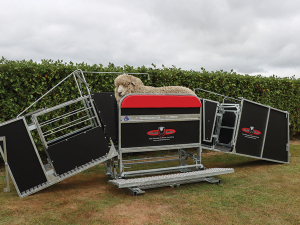
Oamaru-based livestock handling specialist Te Pari has bought Combi Clamp, the New Zealand manufacturer of Combi Clamp manual sheep handlers.
Agriculture Minister Todd McClay has admitted that a scheme bringing workers from Pacific nations to work on orchards has become too hard to navigate but says changes are coming.
A new app designed in New Zealand aims to help sheep, beef and deer farmers capture, analyse and use body condition score data more effectively.
Canterbury farmer Andy Macfarlane has been appointed to the board of AgriZeroNZ, the public-private partnership designed to accelerate the development and deployment of emissions reduction tools for New Zealand farmers.
For over 50 years Mel Ewers has been supporting the apple sector navigate through compliance and quality assurance issues.
The apple sector is enjoying a bumper harvest season.

A fair question has been raised about how member-funded organisations should conduct themselves when taking a public position on any…
OPINION: It really is getting harder to lampoon government bureaucrats when they do such a good job of it themselves.…