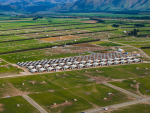
The farm is located in the Selwyn Waihora catchment and is 20km from Lake Ellesmere (Te Waihora), considered an important wetland area. On either side of the catchment are the Rakaia River and the Selwyn River.
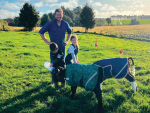
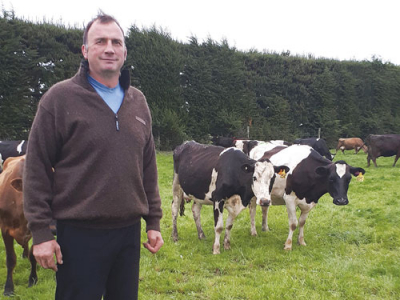
“In Canterbury we have to lessen our nitrogen footprint on the farm,” says Tanner, who milks 730 dairy cows during the peak of the season on 260ha. “In our catchment, we farm on environmentally sensitive land.”
In recent years Lake Ellesmere has been plagued by water quality issues related to intensive farmingon the Canterbury Plains will end up in Lake Ellesmere, so Environment Canterbury, sets nitrogen limits per farm.
The Canterbury Water Management Strategy, introduced in 2012, requires that dairy farms in the catchment reduce their nitrogen limits by 30% by 2022.
Tanner is making an effort to reduce Dunlac Dairies’ environment impact, improving water management and fertiliser usage. The farm was a finalist in the Dairy Business of the Year 2016.
“We are trying to milk at our current numbers, but lessen our nitrogen footprint. So you are trying to do the same, but with less environmental impact,” says Tanner.
When he heard about CRV Ambreed’s genetic discovery, and its LowN Sires bull team, Tanner bought 200 straws. The genetic discovery is believed able to reduce nitrogen leaching by 20% within 20 years.
The company identified and selected bulls genetically superior for a new trait related to the amount of urea nitrogen in milk.
Cows bred using straws of semen from CRV Ambreed’s LowN Sires, and those daughters, will have reduced concentration of milk urea nitrogen (MUN). These are expected to excrete less nitrogen in their urine, so reducing the amount of nitrogen leached. from grazed pasture.
“When CRV Ambreed came up with their LowN bulls, we thought ‘we’ll have a go’,” says Tanner. “If we can lessen the nitrogen from the 730 cows herd by 20%, then that makes a big dent.”
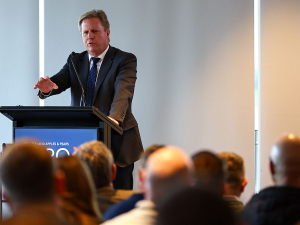
Canterbury regional councillor John Sunckell also notes the CRV Ambreed programme.
Sunckell farms at Leeston, in the Selwyn/Waihora zone. He says most farmers in the region know what’s required and that change is happening, and understand the importance of reducing their environmental footprint.
“CRV Ambreed scientist Phil Beatson’s work... will enable us to still farm and meet environmental regulations.”
Sunckell says dairy farmers in his catchment are required to reduce their nitrogen loss by 30% “which equates to getting rid of every third cow”.
“However, if LowN Sires can have an impact by reducing nitrogen by up to 20%, and with other new developments, e.g. Agricom’s Ecotain plantain, we able to reduce nitrogen in the cow’s urine patch.”