The Mycoplasma bovis outbreak has imposed a human cost on the farmers affected and a ripple effect into their wider communities.
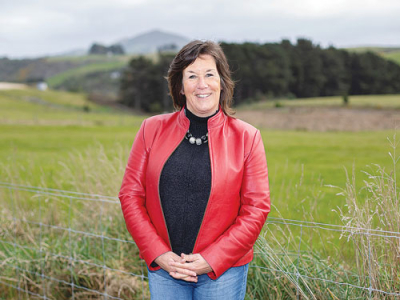
That's the message from University of Otago researcher Dr Fiona Doolan-Noble.
“For the farmers themselves, one day their herd is there and the next morning they wake up and they’ve all gone,” she says.
“That’s a huge loss on many levels: it’s an emotional loss, a sensory loss and a financial loss until compensation is received and they can start building up their herd again.”
Others within rural communities are also affected, from agricultural suppliers and small rural businesses through to community groups.
“Farming is at the core of many rural communities and when it takes a hit the whole community gets hit,” she says.
Doolan-Noble, a senior research fellow in the university’s Department of General Practice and Rural Health, is about to start a two-year study looking at the the emotional, social and psychological impacts of the disease and the ongoing eradication.
She says studies from the 2001 foot and mouth (FMD) outbreak in the UK show the outbreak was “not just an animal tragedy but also a human one”.
UK research identified feelings of distress and bereavement, concerns of a new disaster, loss of faith in authority and control systems, and annoyance at the undermining of local knowledge.
Doolan-Noble says a key difference with the M. bovis outbreak was that the FMD episode was “short and sharp,” first being reported in February and all over by August.
She says the time M. bovis was taking to eradicate “just adds another uncertainty”.
“What we don’t cope with is long-term stress and stressors.”
Doolan-Noble has previously set up a rural health research network looking at various health issues impacting rural communities. That included attending field days where she asked rural people about their concerns. Notably, people referred to decreasing human contact as farming became more technical and busier.
An effect of the British FMD outbreak was a further loss of “social movements” and she expects that to also be a factor in the M. bovis outbreak.
Funded to $120,000 by a Lotteries grant, the study will start in April and concentrate on the Otago and Southland region, which Doolan-Noble called “ground zero” of the outbreak.
It will be co-ordinated by Doolan-Noble and her departmental colleague, medical anthropologist associate professor Chrys Jaye, and Winton veterinarian Mark Bryan.
Information will be collected via interviews, logs kept by participants, and analysis of social and mainstream media coverage of the outbreak.
Doolan-Noble plans to recruit an assistant to do the field work. She has invited farmers and others who would like to contribute to contact her.