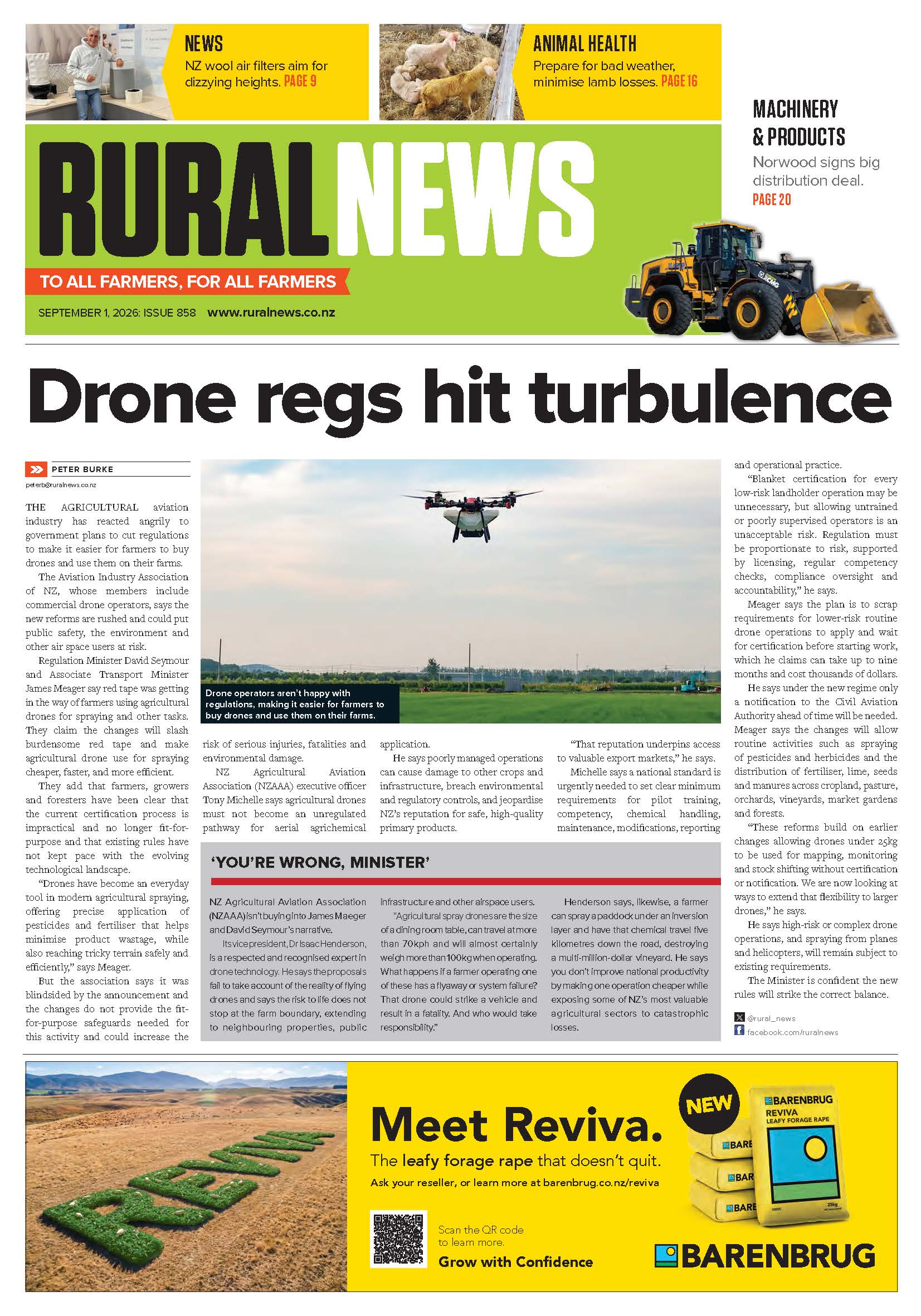
Cashing in on goat fibre
Last month's inaugural New Zealand Cashmere Conference saw the opening of a new fibre processing facility.




 increase font size
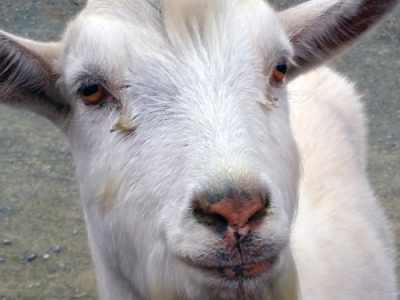 NZ Nutritionals stated their products were '100% New Zealand made' when all the active ingredients, including the goats' milk powder, were imported from overseas.
The High Court has found that New Zealand Nutritionals (2004) Ltd made misleading 'New Zealand made' claims about two dietary supplements.
The case was taken by the Commerce Commission.
The decision makes it clear that a representation that a dietary supplement is 'New Zealand made' may be misleading if the key ingredients do not come from New Zealand, even if they are packaged or turned into tablets here.
The Court granted declarations under the Fair Trading Act 1986 that NZ Nutritionals had made misleading claims by stating on the labels of Vitafit Goats' Milk Powder and Pro-life Goats' Milk and Calcium Tablets that the products were '100% New Zealand made' when all the active ingredients, including the goats' milk powder, were imported from overseas.
NZ Nutritionals argued that the representations were not misleading because the manufacturing process had occurred in New Zealand. They said that the statements on the labels were not representations about where the goat's milk powder was sourced.
Justice Venning said, however, that the labels were misleading because a reasonable person would take from them that the product was made from New Zealand goats' milk that had been processed into powder in New Zealand.
"It is unrealistic to suggest that... a reasonable person would deconstruct the process in their mind and consider that if the powder was imported into New Zealand then blended, as is the present case, it could be said to be made in New Zealand," he says.
Commerce Commission General Counsel, Mary-Anne Borrowdale says the judgment is important for the Commission, particularly as country of origin claims are of escalating concern.
"The Commission has previously raised issues about country of origin labelling with the natural products industry, some of whom had taken a different view about what 'made in New Zealand' means. This ruling puts businesses on notice that they must be able to substantiate any claims they make about the country of origin of their products.
"Consumers are influenced in their purchasing decisions by 'made in New Zealand' claims. Products that are represented as 'made in New Zealand' are also particularly appealing to tourists. We are very pleased that the Judge agreed that these dietary supplements, which are only mixed and packaged here, are not made in New Zealand," she says.
NZ Nutritionals sold its products with the misleading labels to health product retailers, such as specialist nutrition and health stores and supermarkets between 2008 and 2013. The products are now being sold by a new company and have been relabelled.
To see the High Court Judgment on this case click here. NZ Nutritionals has 20 working days in which to file any appeal.
As part of the Commission's enforcement programme on country of origin claims, eight companies and seven individuals have been convicted on charges including selling Asian tourists imported alpaca rugs as 'Made in New Zealand', when they were not.
Three other businesses and associated individuals were charged for making false or misleading claims about the origin and composition of their cashmere and alpaca products.
Last month's inaugural New Zealand Cashmere Conference saw the opening of a new fibre processing facility.
After working on the concept for six years, one of the country’s largest goat farms has launched its own brand of fresh milk.
New Zealand's dairy goat industry has the potential to deliver $480 million in economic contribution by 2024.
Dairy goat milk processors, looking to increase their supplier numbers, are helping to drive interest among farmers in New Zealand’s growing goat milk industry.
Former All Black Kevin Schuler says diversifying the family farm with his brother Paul into three milking systems – cows, goats and sheep – is all about creating a better and stable business.

Election years are always a concerning time for farmers, according to DairyNZ chair Tracy Brown.
The Ballance Farm Environment Awards are coming to the West Coast of the South Island.
Most dairy regions around the country have had a pretty good season so far says Tracy Brown.
Rural leader Mark Hooper has been appointed as an independent director to the NZPork board, bringing extensive farming, governance and advocacy experience to the role.
Opportunity says its land value tax (LVT) is unlikely to force farmers into a position where asset sales or increased debt are required.
Milk powder prices are keeping farmgate prices up, helping processors offset the dip in milk fat prices.


OPINION: The same mainstream media muppets that brought you Jacindamania in 2017 have been flat out pimping for the Opportunities…
OPINION: Your old mate reckons the atrocious way farmers in the UK are treated by their lords and masters in…