Welcome boost to rural mental health
New funding from the Government to help rural communities deal with an acute mental health situation is welcome, says Rural Health Alliance Aotearoa NZ (RHANZ) chairperson Dr Jo Scott-Jones.




 increase font size
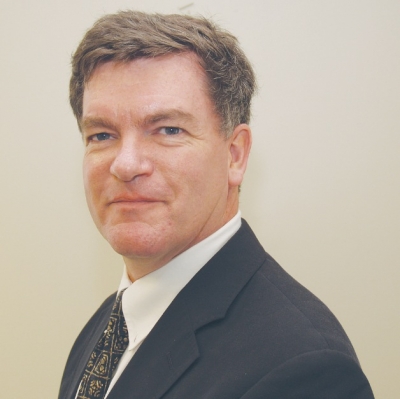 Dr Jo Scott-Jones
The risk of farmers suffering depression and committing suicide is greater with the lower dairy payout this season, says Rural GP Network chair Dr Jo Scott-Jones.
At least four farmers are reported to have committed suicide since Fonterra lowered its farmgate milk price late last year.
Scott-Jones says farmers need to know support and other services are available within their local communities.
“The general practices are well aware of this issue and are keen to help people because suicide is not an option and being depressed is not something to be ashamed of,” he told Rural News.
“There are services available through the Rural Support Trusts around the country and in many ways these can be the first organisation for farmers who are under pressure to go to. They are run by farmers for farmers and they have links to appropriate services to support people through a whole range of issues – financial, drought and flooding, and mental health issues.”
Scott-Jones, a GP in Opotiki, says there is clearly a difference between health services in rural and urban centres. It’s much easier for people in urban centres where population numbers support higher levels of service.
“But we do our best in the rural community and people shouldn’t feel neglected. Mental health issues are things that people often keep to themselves, fearing they are going to take up people’s time. They think we are terribly busy, which we are, but we are open and keen to see anyone facing these sorts of difficulties in the rural community.”
Scott-Jones sees ‘male stoicism’ as a potential problem – farmers revert to a ‘can do, number 8 wire, we can fix it’ approach to life. Farmers may feel they should be able to deal with stuff themselves, but, in fact, mental health issues require that they seek help.
“From my experience, the pressure in rural areas results from things beyond a farmer’s control,” Scott-Jones says. “The weather, price of milksolids, effects of drought and flooding and things such as Psa.
“Many of the things that happen to people in rural communities are imposed from without and they don’t have any control over it. There is no element of lifestyle choice in suffering a drought.”
Scott-Jones says his message to farmers is that they need to recognise when they are having a problem. Symptoms include cutting themselves off from friends, becoming angry with their workers or showing frustration towards their animals.
Talk to somebody, he urges – the Rural Health Support Network or the local GP.
For help call 0800 787254
New funding from the Government to help rural communities deal with an acute mental health situation is welcome, says Rural Health Alliance Aotearoa NZ (RHANZ) chairperson Dr Jo Scott-Jones.

The rural sector needs to focus more on mental wellness and look at developing simple self-diagnostic tools, says a South Island professional development coach, Loshni Manikam.
Rural Women New Zealand is concerned for the mental well being of farmers as they struggle with the current drought.
FEDERATED FARMERS is thrilled by the Health Promotion Agency's, National Depression rural project.
Rural Women New Zealand is conducting a survey on the causes and effects of anxiety and depression in rural communities, updating a survey it did in 2006 that drew a large number of responses.
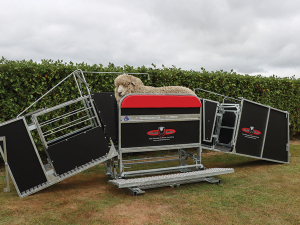
Oamaru-based livestock handling specialist Te Pari has bought Combi Clamp, the New Zealand manufacturer of Combi Clamp manual sheep handlers.
Agriculture Minister Todd McClay has admitted that a scheme bringing workers from Pacific nations to work on orchards has become too hard to navigate but says changes are coming.
A new app designed in New Zealand aims to help sheep, beef and deer farmers capture, analyse and use body condition score data more effectively.
Canterbury farmer Andy Macfarlane has been appointed to the board of AgriZeroNZ, the public-private partnership designed to accelerate the development and deployment of emissions reduction tools for New Zealand farmers.
For over 50 years Mel Ewers has been supporting the apple sector navigate through compliance and quality assurance issues.
The apple sector is enjoying a bumper harvest season.



A fair question has been raised about how member-funded organisations should conduct themselves when taking a public position on any…
OPINION: It really is getting harder to lampoon government bureaucrats when they do such a good job of it themselves.…