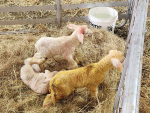
Beef + Lamb NZ's Lambing Kit Checklist for a Tough Season
With lambing underway in many regions, Beef + Lamb New Zealand is encouraging farmers to put together a wellequipped lambing kit to help minimise lamb losses, particularly in bad weather.




 increase font size
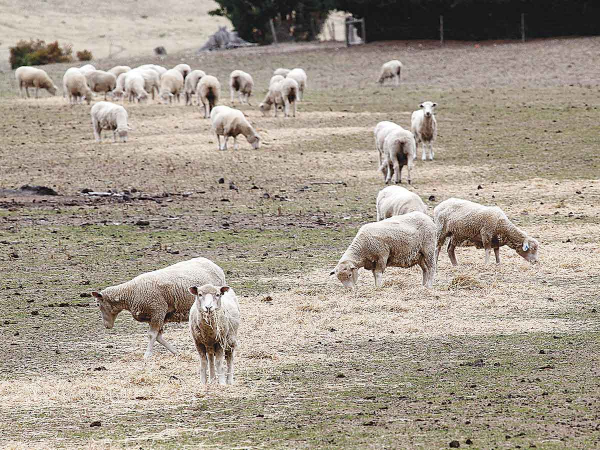 The total number of sheep in New Zealand decreased 2.3% over the past year.
Drought has contributed to New Zealand’s sheep flock falling over the past year.
The total number of sheep in New Zealand decreased 2.3% over the past year to 26.21 million, according to Beef + Lamb New Zealand (B+LNZ)’s annual stock number survey.
Supplementary feed usage increased accordingly, as farmers used expensive feed in order to maintain the condition of their livestock.
COVID-19 also reduced demand for stock as international trade was disrupted, sale yards were unable to operate, and processing capacity was restricted under social distancing requirements, causing delays of up to six weeks.
The lamb crop is expected to be 4.2% lower nationally.
B+LNZ economic service chief economist Andrew Burtt says that drought meant that farmers decided to have fewer hoggets, weaner cattle, and cows mated, which will have impacts on future stock numbers.
“The impact of the combined decisions to destock younger animals this year will be fewer stock in future years,” said Burtt.
“Capital breeding stock may have been retained this year, but the effects of the disruption in 2019-20 will be felt for at least a couple of years.”
Total sheep have declined from 57.85 million in June 1990 to 26.21 million in June 2020.
The full stock survey is available here.
With lambing underway in many regions, Beef + Lamb New Zealand is encouraging farmers to put together a wellequipped lambing kit to help minimise lamb losses, particularly in bad weather.

New Zealand wool is reaching new heights as air filtration companies move away from synthetic products to biodegradable alternatives.
Will a stronger, more coordinated voice help rebuild confidence and improve returns in the wool sector?
OPINION: Confidence in the wool sector is rebounding as prices hit levels not seen in more than 15 years.
The recently signed free trade agreement with India is an invitation to strengthen relationships between the New Zealand and Indian strong wool industries, says Wool Impact chief executive Andy Caughey.


Farmer-owned fertiliser company, Ballance Agri Nutrients is welcoming National’s plan to negotiate security agreements with key supplier countries to protect New Zealand-bound products from export restrictions and greater supply chain certainty.

Carrfields has announced the appointment of Stu Hall to the newly created role of chief operating officer, Carrfields Ltd, reflecting the continued growth of their agribusinesses and the need to ensure the company has the leadership capacity and support in place as it pursues the emerging opportunities ahead.
New Zealand's role is not to compete with Indian growers, according to NZ Apples and Pears.
The potato industry is celebrating the success of two rising stars - James Blair, the 2026 Young Grower of the Year and runner-up and innovation award winner, Amber Davy.
Twenty-eight emerging leaders from across the horticulture sector spent two days last month learning valuable skills and connecting with industry experts.
There are five entrants in this year’s Young Horticulturist of the Year, competing in a series of technical, practical, business and leadership challenges.



OPINION: The same mainstream media muppets that brought you Jacindamania in 2017 have been flat out pimping for the Opportunities…
OPINION: Your old mate reckons the atrocious way farmers in the UK are treated by their lords and masters in…




