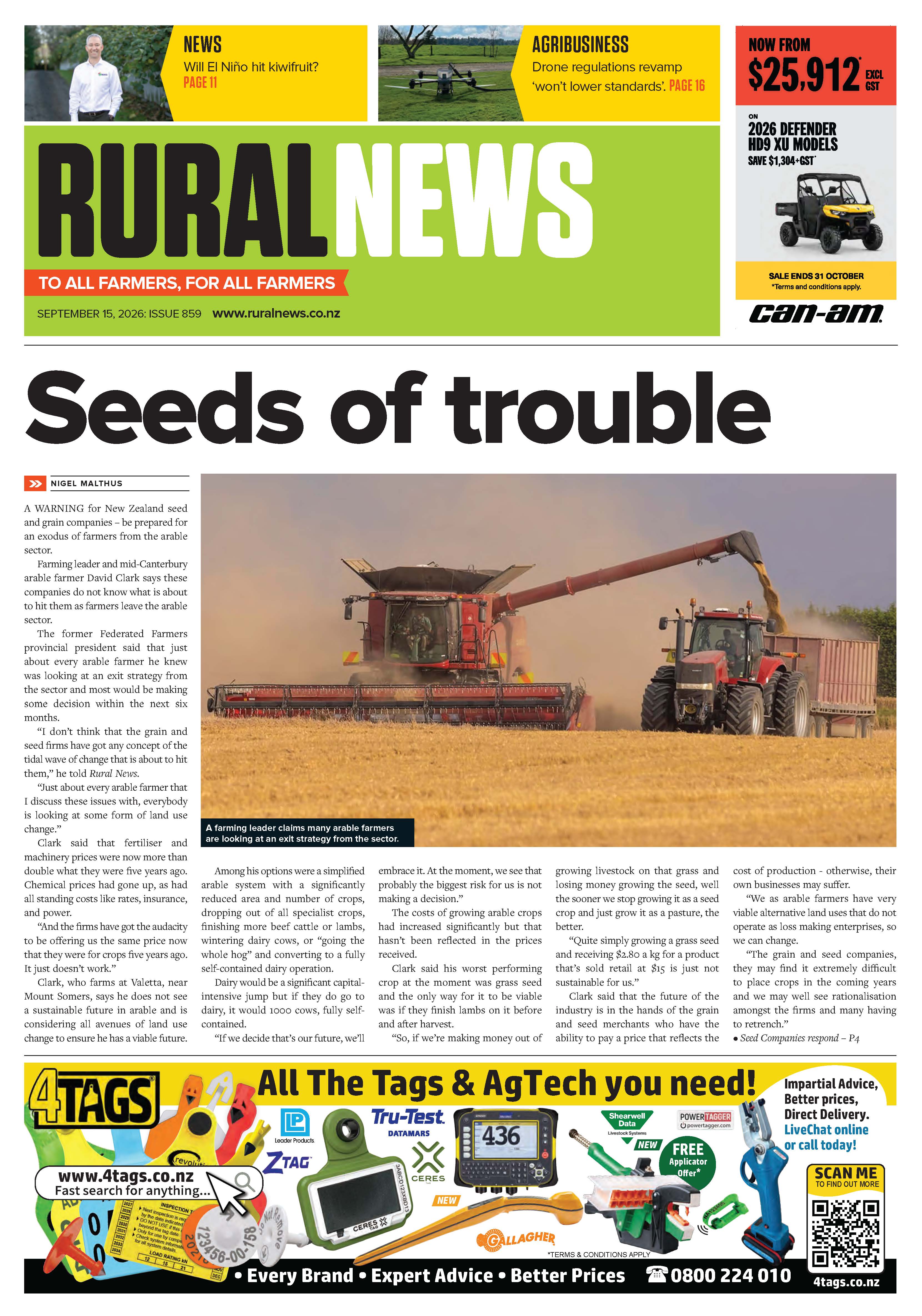
BVD Control Begins Long Before You See A Problem
Bovine Viral Diarrhoea (BVD) is sometimes viewed as a dairy industry issue, but the reality is that the disease can have serious consequences for beef breeding herds as well.




 increase font size
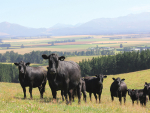
 NZAEL manager, Andrew Fear
DairyNZ subsidiary New Zealand Animal Evaluation (NZAEL) will update the genetic base used to calculate Breeding Worth (BW) next month.
This routine update will cause a drop of approximately $185 in BW across all cows, bulls, and herds but does not reflect any loss in genetic value or animal performance.
To assist with ranking within a population, it's helpful to have a benchmark. In animal evaluation, this reference point is called 'Base Cow'. A Base Cow change causes very minimal re-ranking among bulls, cows, herds, or breeds. It simply shifts animals up or down depending on the genetic base that is chosen. Base Cow creates the yard stick to measure how much genetic progress is being made with each passing generation.
"New Zealand's dairy herd continues to make meaningful genetic improvement. Each generation of heifers enters the herd with higher BW on average, than the previous generation, leading to higher protein, fat and greater efficiency. Updating the Base Cow ensures BW remains an important and accurate ranking tool, reflecting the performance of today's dairy animals," says Andrew Fear, NZAEL manager.
From 20 June, the BW of the average dairy animal will move from $241 to $56. This shift follows the introduction of an updated reference point, known as a Base Cow, which will now be based on 2015-born animals instead of the current 2005 cohort.
Bovine Viral Diarrhoea (BVD) is sometimes viewed as a dairy industry issue, but the reality is that the disease can have serious consequences for beef breeding herds as well.
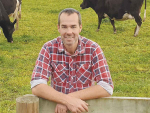
DairyNZ deputy chair Cameron Henderson has been re-appointed unopposed for another term.
OPINION: The stats speak for themselves.
Farms across the upper North Island are trialling different pasture mixes as part of a research programme that aims to build greater resilience into farming systems.
Election years are always a concerning time for farmers, according to DairyNZ chair Tracy Brown.


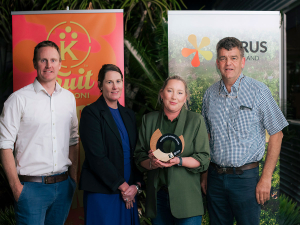
New Zealand's citrus growers were challenged to build their future on the value embedded in their fruit rather than the volume they produce, at Citrus New Zealand's annual gathering in Gisborne on 17 September.
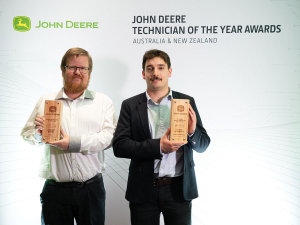
Leading John Deere technicians and apprentices from New Zealand and Australians were recognised at the recent sixth annual JD Technician of the Year Awards, held in Brisbane.
In Dacre, near Invercargill in New Zealand’s South Island, Bruce Dinnington is running a dairy operation unlike any other.
A free online platform aggregating governance vacancies across rural and regional New Zealand has been launched.
Environment Minister Nicola Grigg has announced details of a new rural plastics recycling scheme.
Agricultural drone operators say that a government decision to allow lower-risk drone work without certification won’t lower standards but drive innovation and efficiency.




OPINION: The same mainstream media muppets that brought you Jacindamania in 2017 have been flat out pimping for the Opportunities…
OPINION: Your old mate reckons the atrocious way farmers in the UK are treated by their lords and masters in…