NZKGI Responds to Migrant Worker Exploitation Reports
Where any worker in the kiwifruit industry is mistreated, we expect the authorities to take action.




 increase font size
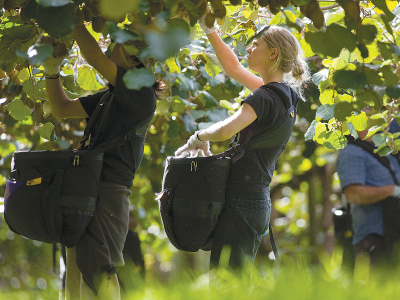 At least 18,000 seasonal workers will be required to pick and pack the kiwifruit harvest this year.
About 250 new employees have already bolstered the kiwifruit industry’s worker shortage.
New Zealand Kiwifruit Growers Inc (NZKGI) says some 250 people have been able to vary the conditions of their visitor visas to work in alleviating the labour shortage in Bay of Plenty and the extension in Hawke’s Bay.
At least 18,000 seasonal workers will be required to pick and pack the kiwifruit harvest this year.
The peak is expected to last until the end of May.
NZKGI chief executive Nikki Johnson says the industry is pleased its campaign has boosted the numbers showing interest in working in the industry, but more will be needed at the season peak.
“As a first priority, we are calling on people who live close to orchards and packhouses to roll up their sleeves and join us in this booming industry.”
People from further afield should find somewhere to stay before they arrive, she says.
The upcoming labour shortfall at the harvest peak is reckoned at 3550 in Bay of Plenty. The shortfall at last year’s peak was 1200.
At least 155 million trays will needing packing.
Information on employers, job types and rights are posted on the NZKGI website.
Overseas visitors should visit the Immigration NZ website for details on varying the conditions of a visa.
Kiwifruit facts and figures
- Kiwifruit is NZ’s largest horticultural export.
- NZ kiwifruit production is expected to jump from 123 million trays in 2017 to 190m trays in 2027.
- The kiwifruit industry’s revenue is expected to jump from $2.1 billion in 2017 to $6b by 2030.
- A critical labour shortage could hinder this growth.
- The industry will need 7000 more workers by 2027 than it had in 2017.
- In 2017 when the minimum wage was $15,75, the average wage for picking kiwifruit was $20.95.
- The expected picking rate in 2019 is $23.50.
Where any worker in the kiwifruit industry is mistreated, we expect the authorities to take action.

Kiwifruit growers are watchful but remain optimistic as concerns around the potential effects of the El Niño weather pattern this season.
More signs of a booming kiwifruit sector.
After delivering a strong financial year, rural trader PGG Wrightson says the coming months will depend on customer confidence and weather.
New Zealand growers have always adapted to changing conditions, but one challenge is steadily gaining ground across the horticulture sector: resistance.



Mark Hooper has been appointed the new chair of NZPork, the industry organisation representing New Zealand pig farmers.

As the India-New Zealand free trade agreement enters into force, New Zealand’s apple industry has reaffirmed its commitment to the long-term development of India’s apple sector.
Fonterra shareholders can begin voting on Tuesday 20 October in the 2026 Board of Directors’ election, a Co-operative Council election in one Ward, and seven Annual Meeting resolutions.
National’s pledge to introduce 19 new national standards shows the party is serious about getting Wellington out of farming, Federated Farmers says.
The National Party’s policies to make it easier to grow fresh vegetables, secure reliable water and energy and simplify farm planning are practical changes that will give growers the confidence to invest, according to Horticulture New Zealand (HortNZ).
Fonterra Co-operative Group chief financial officer Andrew Murray has resigned to take up a role outside the dairy giant.


OPINION: The same mainstream media muppets that brought you Jacindamania in 2017 have been flat out pimping for the Opportunities…
OPINION: Your old mate reckons the atrocious way farmers in the UK are treated by their lords and masters in…




