Kiwifruit Growers Prepare for El Niño, Stay Optimistic
Kiwifruit growers are watchful but remain optimistic as concerns around the potential effects of the El Niño weather pattern this season.




 increase font size
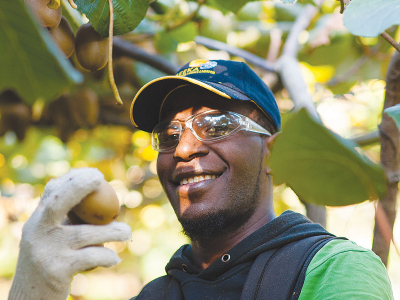 According to Hort NZ, the RSE scheme helped the industry keep up with production and benefitted the Pacific region by $50m last year.
The worker scheme known as Recognised Seasonal Employers (RSE) last year benefitted the Pacific Islands by at least $50 million, says Horticulture New Zealand (HNZ).
And RSE also helped the horticulture industry to keep up with production, says HNZ’s chief executive Mike Chapman.
“It’s because of the scheme’s success and vital role in our industry that we would like to see the scheme expand and more Pacific people be able to take up opportunities in NZ,” said Chapman, who attended the RSE Conference in Vanuatu in July.
“It’s hard to understand without seeing it firsthand the huge difference money earned through the scheme makes.
“It is used in the Pacific to build cyclone resistant housing, pay for education, and set up businesses such as coconut pressing and furniture construction, plus the more common tourist accommodation and tour businesses.”
Chapman says the scheme helps NZ growers to find enough people to harvest their fruit and vegetables, particularly at the peak of the season.
“Without the scheme the labour shortages our industry faces would be a lot worse.”
The latest Ministry of Business, Innovation and Employment (MBIE) survey of employers in the RSE scheme found that 96% agreed the benefits of participating in the scheme outweighed the costs. Employers also continued to rate RSE workers highly in their dependability, productivity and enthusiasm.
“RSE employers in the horticulture industry take their responsibilities seriously. Most go beyond the minimum requirements to ensure workers are well looked after and supported in NZ, and learn skills they can take home,” Chapman said.
Kiwifruit growers are watchful but remain optimistic as concerns around the potential effects of the El Niño weather pattern this season.
Where any worker in the kiwifruit industry is mistreated, we expect the authorities to take action.
James Blair, an agronomist for AS Wilcox and the Pukekohe regional champion, has won the 2026 Young Grower national title.
Claimed to be the first autonomous robot for New Zealand vegetables growers, the first Kilter AX-1 unit has arrived in the country.
After delivering a strong financial year, rural trader PGG Wrightson says the coming months will depend on customer confidence and weather.



Farmgate lamb prices are down by 8%, beef cattle by 4.5% and farm expenditure up by 4.2%.
Kiwifruit growers are watchful but remain optimistic as concerns around the potential effects of the El Niño weather pattern this season.
Almond hulls sourced from Australian orchards may have the potential to help New Zealand cows reduce emissions, boost milk yield and lower input costs.
Striking a balance between meeting the needs of industry to speed up approval time for products but on the other hand ensuring that risks are properly assessed.
Surprised, humbled and quite thrilled. That’s the reaction of James Allen, one of the founding partners and now chief executive of AgFirst, on being made a life member of the Institute of Rural Professionals.



OPINION: The same mainstream media muppets that brought you Jacindamania in 2017 have been flat out pimping for the Opportunities…
OPINION: Your old mate reckons the atrocious way farmers in the UK are treated by their lords and masters in…