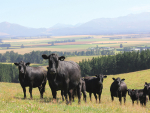
BVD Control Begins Long Before You See A Problem
Bovine Viral Diarrhoea (BVD) is sometimes viewed as a dairy industry issue, but the reality is that the disease can have serious consequences for beef breeding herds as well.




 increase font size
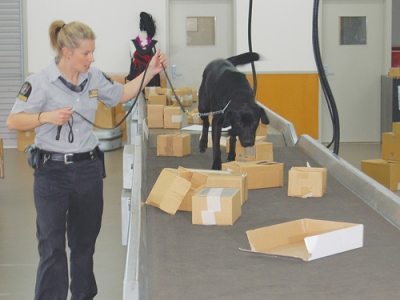 Stronger border biosecurity defences have stopped hitchhiking pests and diseases from entering NZ.
There has been a flood of overseas visitors this summer, but stronger border biosecurity defences have stopped hitchhiking pests and diseases from entering NZ.
This is the message from the Ministry for Primary Industries.
"It has been a summer of action for MPI biosecurity staff who have faced record numbers of arriving passengers," says Steve Gilbert, MPI border clearance services director.
"Despite the huge numbers, we've kept processing times down for passengers. And most importantly, our compliance statistics show we are blocking the things that pose biosecurity risk to New Zealand.
"More than 99% of passengers that went through our border checks arrived in New Zealand without any risk goods."
He says there were 14 interceptions of organic material containing fruit fly.
"Stopping fruit fly from entering New Zealand is a big focus for us. So it is good to know that we have prevented at least 14 incursions of this destructive pest this summer."
Last year MPI introduced 90 new frontline officers and 24 new detector dog teams to strengthen biosecurity at the border.
"We have also upped our risk assessment levels, invested heavily in building awareness about New Zealand's biosecurity rules and introduced a mobile x-ray scanner to help clear cruise ship passengers.
"To ensure the biosecurity message gets through, officers have been taking a stricter approach with fining passengers who break the rules. This can be seen in the number of infringement notices this summer. We issued 2288 fines, a rise of 41 percent from last year.
"The new measures have made it harder for air and cruise passengers to accidentally or deliberately carry risk goods into New Zealand."
Border biosecurity statistics from the 2015/16 summer:
· Arriving airport passengers reached 1.58 million, a 9% increase from the previous summer.
· MPI issued 2288 infringement notices ($400 fine), an increase of 41% from the previous summer.
· MPI seized 4148 undeclared items from air passengers, an increase of 28% from last year. Undeclared fresh produce was the most common risk item.
· Air passengers showed a 99.2% compliance rate with New Zealand's biosecurity requirements after passing through MPI's biosecurity checks.
· Average passenger processing time for passengers arriving at Auckland Airport (New Zealand's biggest airport) was shorter than last year.
· 374 cruise vessels visited New Zealand.
· MPI intercepted 1109 risk items from cruise vessels, an increase of 84% from last year.
Bovine Viral Diarrhoea (BVD) is sometimes viewed as a dairy industry issue, but the reality is that the disease can have serious consequences for beef breeding herds as well.

Election years are always a concerning time for farmers, according to DairyNZ chair Tracy Brown.
Testing confirms H5 bird flu in a single northern giant petrel, found dead on a remote Cape Palliser beach in the Wairarapa, says Dr Mary van Andel, the Ministry for Primary Industries' (MPI) Chief Veterinary Officer.
Bovine Viral Diarrhoea (BVD) is sometimes viewed as a dairy industry issue, but the reality is that the disease can have serious consequences for beef breeding herds as well.
Four years since it was first detected in New Zealand, researchers and growers now know much more about management of maize pest fall armyworm (FAW).


Federated Farmers has welcomed new rural policies released by ACT, saying they align closely with its own election priorities.

Rural Contractors NZ says proposed changes to land transport rules for agricultural vehicles are a welcome response by the Government to out of date regulations which have seen members hit with huge fines.
Alliance is calling for final applications for its 2027 Graduate Programme, with applications closing on Sunday 25 October.
Decades piloting planes has ensured vet and farmer David Hayes is focused on safety. So, after a serious accident while welding on farm, he is sharing his experience so others can learn from it.
Canterbury milk processor, Synlait Milk has confirmed Leon Fung as its chief executive officer.
OPINION: Making it easier to collect rainwater and use it to grow crops and livestock is a no brainer.


OPINION: The same mainstream media muppets that brought you Jacindamania in 2017 have been flat out pimping for the Opportunities…
OPINION: Your old mate reckons the atrocious way farmers in the UK are treated by their lords and masters in…




